Alan Titchmarsh Swears Tomatoes Will Grow Anywhere With This One Soil Additive
Renowned gardener Alan Titchmarsh has sparked renewed interest in a soil additive that claims to enable tomato cultivation in even the most challenging conditions. The product in question, Rootgrow, contains mycorrhizal fungi—a natural soil microorganism that enhances plant growth. Titchmarsh’s endorsement comes amid growing demand for sustainable gardening solutions, particularly as gardeners seek alternatives to synthetic fertilizers.
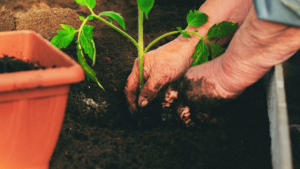
Mycorrhizal fungi form symbiotic relationships with plant roots, creating networks that improve nutrient and water uptake. These microorganisms break down organic matter in the soil, releasing essential minerals for plant absorption. Rootgrow, a commercial product containing these fungi, is applied directly to bare-rooted plants or mixed into soil during planting.
How These Microorganisms Enhance Soil Health
The fungi’s hyphae extend beyond the plant’s root system, acting as a secondary root network. This allows tomatoes to access nutrients more efficiently, even in poor-quality soil. Studies suggest mycorrhizal fungi can improve drought tolerance and reduce the need for chemical fertilizers.
[smartquiz]
Why Tomatoes Benefit Particularly
Tomatoes are heavy feeders, requiring rich soil for optimal growth. Mycorrhizal fungi help by:
Increasing phosphorus availability, a nutrient critical for fruit development.
Stimulating beneficial bacteria, which combat soil pathogens.
Improving soil structure, enhancing water retention and aeration.
Expert Opinions and Real-World Applications
Alan Titchmarsh, a long-time advocate for organic gardening, has highlighted Rootgrow’s versatility. In recent gardening columns, he emphasized its effectiveness for acid-loving plants and stressed the importance of maintaining moist soil conditions.
Case Studies and User Experiences
A customer review of Rootgrow noted visible improvements in above-ground plant health, with the assumption that root systems were equally robust. While direct visual evidence of root development is limited, gardeners report faster growth and higher yields when using the product.
Application Methods for Maximum Impact
For best results, gardeners should:
Mix Rootgrow with soil during planting, following the product’s dosage guidelines.
Combine with compost to create a nutrient-rich growing medium, as recommended for container gardening.
Avoid overuse, as excessive application may disrupt soil balance.
Addressing Skepticism and Challenges
Common Concerns About Mycorrhizal Fungi
Some gardeners question whether these fungi are truly necessary, given the cost of commercial products. However, research indicates that native mycorrhizal networks are often depleted in urban or intensively farmed soils.
Cost and Accessibility
Rootgrow’s 360g pack retails at a moderate price, with delivery charges ranging from £2.45 to £7.35 depending on order composition. While not the cheapest option, its long-term benefits may justify the investment for serious growers.
The Future of Soil Additives in Gardening
Sustainability and Environmental Impact
Mycorrhizal fungi align with eco-friendly gardening trends by reducing reliance on synthetic chemicals. As awareness of soil health grows, products like Rootgrow are likely to gain traction among environmentally conscious gardeners.
Innovations in Gardening Practices
Titchmarsh’s advocacy reflects a broader shift toward holistic gardening methods. By integrating mycorrhizal fungi into routines, gardeners can create self-sustaining ecosystems that support plant health without external inputs.
Alan Titchmarsh’s endorsement of Rootgrow underscores the growing recognition of mycorrhizal fungi in modern horticulture. While no product guarantees success, the science and anecdotal evidence suggest this additive could be a game-changer for tomato cultivation. As gardening evolves, such natural solutions may redefine how we approach soil management and plant care.
Allan is a lifelong gardening enthusiast who still gets excited when the first seedlings pop up in spring. With a deep love for nature and a hands-in-the-soil approach, he shares practical tips, plant discoveries, and clever tricks picked up over years of digging, planting, and observing. Whether you’re a new gardener or have a shed full of tools, Allan writes like a neighbor who’s always happy to swap cuttings and stories over the fence.
You can find more about Allan’s work on Malt or connect with him on LinkedIn.
16 Replies to “Alan Titchmarsh Swears Tomatoes Will Grow Anywhere With This One Soil Additive”
🍅 Can’t wait 🙌
Wow, can’t wait to try it! growing tomatoes has always been tricky for me. thanks, alan! love finding out tips that promise juicy success in my backyard. 🍅
How often should you apply rootgrow to see the best results for tomato plants?
Has anyone tried rootgrow for other plants besides tomatoes? i’m curious how well it works!
Has anyone tried this rootgrow with other plants? curious if it’s as effective beyond tomatoes!
Has anyone here tried using rootgrow for other plants too? curious if it’s a game changer beyond tomatoes! 🌱🍅
Will try this!
Has anyone tried growing tomatoes with rootgrow in really poor soil? curious if it works as well as alan says!
🍅 Super tip!
I’ve heard about various soil additives, and while it’s intriguing that alan hits on something people might try, i remain skeptical if one thing alone does the trick for all gardens. definitely worth a try though!
Can’t wait to try this out! thanks, alan. my garden’s about to see a tomato explosion! 🍅😊
Does rootgrow help with other plants too, or is it just great for tomatoes? curious if it could boost my whole garden!
Excited to try!
Tried growing tomatoes in the oddest spots and they thrived! added a little epsom salt to the soil mix last year and saw more blooms than ever. it’s all about keeping them happy and fed!
Wow, can’t wait to try alan’s tip! my garden needs a tomato miracle. thanks for sharing! 🌱🍅
Has anyone tried using rootgrow for tomatoes in tough conditions, and did it really work as well for you as alan titchmarsh claims?






🍅 Can’t wait 🙌
Wow, can’t wait to try it! growing tomatoes has always been tricky for me. thanks, alan! love finding out tips that promise juicy success in my backyard. 🍅
How often should you apply rootgrow to see the best results for tomato plants?
Has anyone tried rootgrow for other plants besides tomatoes? i’m curious how well it works!
Has anyone tried this rootgrow with other plants? curious if it’s as effective beyond tomatoes!
Has anyone here tried using rootgrow for other plants too? curious if it’s a game changer beyond tomatoes! 🌱🍅
Will try this!
Has anyone tried growing tomatoes with rootgrow in really poor soil? curious if it works as well as alan says!
🍅 Super tip!
I’ve heard about various soil additives, and while it’s intriguing that alan hits on something people might try, i remain skeptical if one thing alone does the trick for all gardens. definitely worth a try though!
Can’t wait to try this out! thanks, alan. my garden’s about to see a tomato explosion! 🍅😊
Does rootgrow help with other plants too, or is it just great for tomatoes? curious if it could boost my whole garden!
Excited to try!
Tried growing tomatoes in the oddest spots and they thrived! added a little epsom salt to the soil mix last year and saw more blooms than ever. it’s all about keeping them happy and fed!
Wow, can’t wait to try alan’s tip! my garden needs a tomato miracle. thanks for sharing! 🌱🍅
Has anyone tried using rootgrow for tomatoes in tough conditions, and did it really work as well for you as alan titchmarsh claims?