
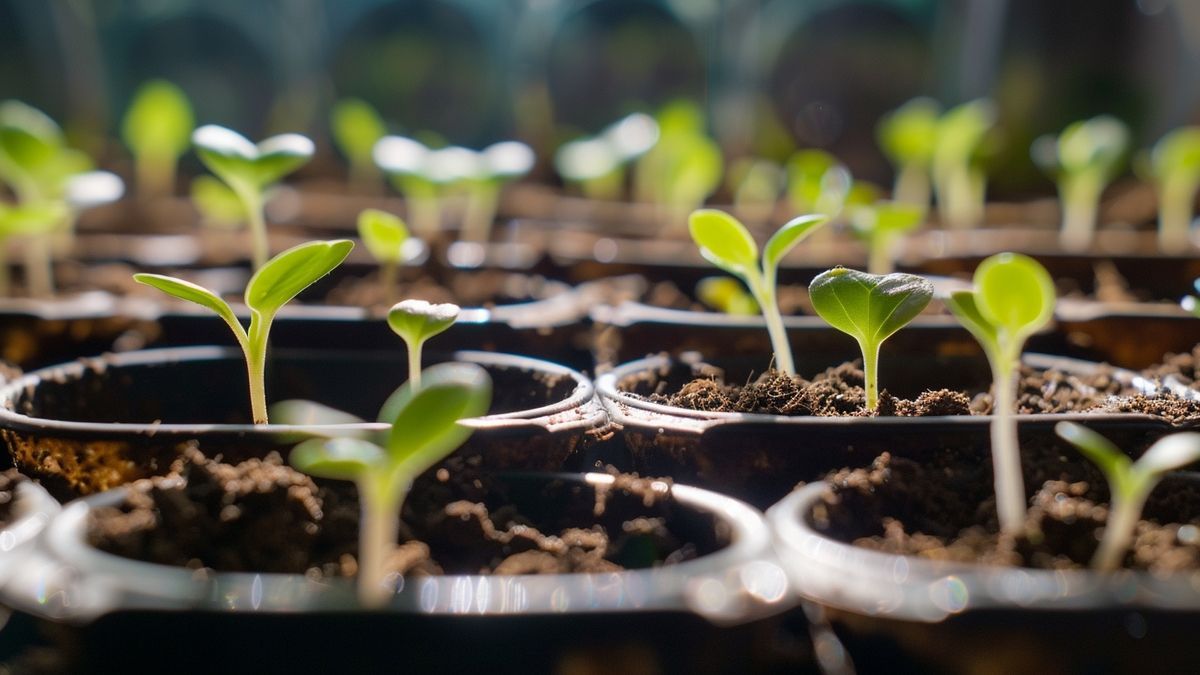
As the gardening season begins in March, many gardeners face a crucial decision: whether to start seeds indoors or to sow them directly in the garden. Both methods have their advantages and disadvantages, and the choice often depends on the type of plant, local climate conditions, and available space. In this article, we will explore the pros and cons of direct sowing and indoor seed starting, providing insights into which method works best for different types of plants and gardening goals.
deciding on a method
When deciding between direct sowing and indoor seed starting, it’s essential to consider several factors, including the type of plant, the length of the growing season, and the local weather conditions. For instance, plants that require a longer growing season, such as tomatoes and peppers, often benefit from being started indoors several weeks before the last frost date. This allows them to get a head start on the growing season and potentially leads to earlier harvests.
understanding plant needs
Different plants have different needs when it comes to seed starting. For example, brassicas (like broccoli and cabbage) and heat-loving plants (such as tomatoes and peppers) are typically started indoors because they require more time to mature than the available frost-free days in many regions. On the other hand, root vegetables like carrots and beets, as well as legumes such as beans and peas, do best when sown directly in the garden because they don’t transplant well.
direct sowing

Direct sowing involves planting seeds directly into the garden bed where they will grow to maturity. This method is straightforward, requiring minimal equipment and preparation. It eliminates the risk of transplant shock, allowing plants to establish their root systems naturally without stress.
advantages of direct sowing
- Economical: Direct sowing is cost-effective as it requires no additional equipment or indoor space.
- Less Labor: It involves less hands-on work compared to starting seeds indoors.
- Natural Adaptation: Plants grow in their natural environment, benefiting from local soil nutrients and acclimating to local weather patterns.
disadvantages of direct sowing
- Weather Dependence: Germination and growth can be unpredictable due to fluctuating outdoor conditions.
- Pest Vulnerability: Seeds and seedlings are more exposed to pests and harsh environmental factors.
indoor seed starting
Starting seeds indoors allows gardeners to control factors like temperature, humidity, light, and moisture, which can enhance germination rates and lead to healthier seedlings. This method is particularly beneficial for plants that need a head start on the growing season.
advantages of indoor seed starting
- Controlled Environment: Allows for optimal growing conditions, which can improve seedling health.
- Early Start: Gives plants a head start on the growing season, potentially leading to earlier harvests.
- Protection from Pests: Seedlings are shielded from common garden pests and harsh weather conditions.
disadvantages of indoor seed starting
- Transplant Shock: Moving seedlings from indoors to outdoors can cause stress, leading to stunted growth.
- Space and Equipment: Requires dedicated space and equipment like grow lights and heat mats.
choosing the right method for march
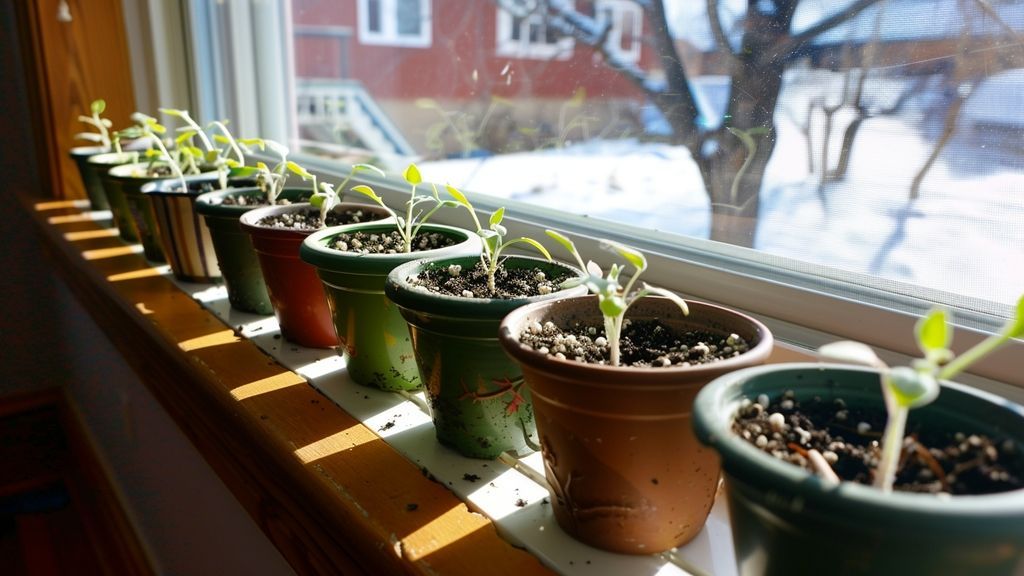
In March, the decision between direct sowing and indoor seed starting largely depends on the specific plants you wish to grow and your local climate conditions. For regions with a short growing season, starting seeds indoors can be beneficial for plants like tomatoes and peppers. However, for plants that don’t transplant well, such as spinach and carrots, direct sowing is often the better choice.
preparing for direct sowing in march
For direct sowing in March, it’s crucial to prepare the garden bed by removing weeds and loosening the soil. Adding a layer of compost can enhance soil fertility and improve seed germination rates.
preparing for indoor seed starting in march
For indoor seed starting, ensure you have the necessary equipment, such as grow lights and potting soil. Start seeds about six weeks before the last frost date to give them enough time to develop before being transplanted outdoors.
conclusion
Both direct sowing and indoor seed starting have their advantages and disadvantages. The best approach depends on the type of plant, local climate conditions, and available space. By understanding these factors and choosing the right method for your specific needs, you can set yourself up for a successful gardening season. Whether you opt for the controlled environment of indoor seed starting or the natural growth of direct sowing, each method can lead to healthy, thriving plants when done correctly.

Allan is a lifelong gardening enthusiast who still gets excited when the first seedlings pop up in spring. With a deep love for nature and a hands-in-the-soil approach, he shares practical tips, plant discoveries, and clever tricks picked up over years of digging, planting, and observing. Whether you’re a new gardener or have a shed full of tools, Allan writes like a neighbor who’s always happy to swap cuttings and stories over the fence.
You can find more about Allan’s work on Malt or connect with him on LinkedIn.


