
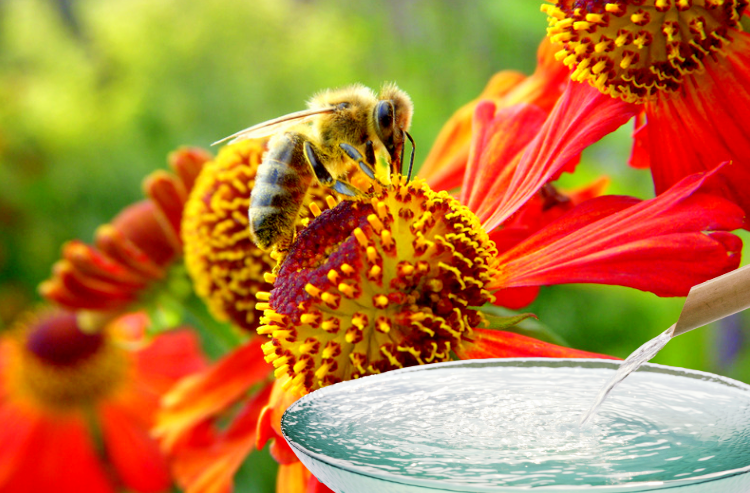
How a Bowl of Water in the Garden Can Save Bees This Month
As pollinators face unprecedented threats from habitat loss, pesticides, and climate change, a simple bowl of water can become a lifeline for bees and other wildlife. This month, gardeners worldwide are embracing low-cost, high-impact solutions to support these vital creatures. By creating shallow water stations with safe landing spots, changing water daily, and integrating them with pollinator-friendly habitats, individuals can make a tangible difference in local ecosystems.
Bees’ need for hydration and temperature regulation
Bees require water for drinking and cooling their bodies, particularly during hot summer months. Worker bees collect water to regulate hive temperatures, a process critical for brood survival. Without accessible water sources, colonies struggle to maintain optimal conditions, weakening their resilience to disease and environmental stressors.
Challenges in accessing safe water sources
Urbanization and pesticide use have reduced natural water availability, forcing pollinators to rely on contaminated or unsafe options like birdbaths with steep sides. These features often trap insects, leading to drowning or predation. Shallow, mosquito-free water stations address this gap, offering a safe alternative.
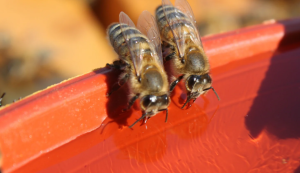
How to create a simple bee bath
Choosing the right materials and design
A bee bath requires minimal materials: a shallow dish (ceramic or plastic), small stones or marbles, and optional sand or compost. The water depth should be no more than 1–2 inches to prevent drowning, with stones providing perches for bees to land and drink safely. Avoid metal containers, which can heat excessively in sunlight.
Optimizing placement and safety features
Position the bath in a sheltered, partly shady spot to slow evaporation and reduce bacterial growth. Place it near flowering plants to attract pollinators while minimizing travel distance. For butterflies, add a mud puddle by mixing dirt into the water, a practice known as “puddling”.
Maintaining your bee bath effectively
Daily water changes and cleaning routines
Change the water daily to prevent mosquito larvae and bacterial buildup. For permanent ponds, install a fountain or pump to keep water moving, as mosquitoes require stagnant conditions to reproduce. Clean the bath weekly with hot water and mild, non-citrus soap to avoid harming beneficial insects.
Preventing mosquito larvae and other pests
While pesticides are ineffective and harmful, simple maintenance suffices. Empty bird baths every few days, and use fine-mesh screens over pumps to protect dragonfly nymphs. These steps ensure the water remains a safe resource for pollinators.
Beyond water: creating a pollinator-friendly habitat
Providing shelter and nesting sites
Pollinators need more than water—they require shelter from wind/rain and nesting sites. Hostas offer large leaves for butterfly refuge, while Nannyberry shrubs provide forked branches for hummingbird nests. Solitary bees nest in hollow stems or bare ground, so leave some areas of the garden untidy with leaf litter or brush piles.
Integrating water features with native plants
Pair your bee bath with native flowering plants (e.g., coneflowers, lavender) to create a pollinator corridor. These plants provide nectar and host plants for caterpillars, supporting the full life cycle of butterflies and bees.
The broader impact of small actions
Community initiatives and conservation efforts
Individual efforts ripple into larger movements. Neighborhoods adopting pollinator-friendly practices can create corridors of biodiversity, linking fragmented habitats. Local governments may incentivize such projects through grants or tax breaks, amplifying their reach.
Policy changes and large-scale solutions
While personal actions are vital, systemic change is equally critical. Advocacy for pesticide-free public spaces, urban green infrastructure, and pollinator conservation policies can protect these creatures at scale.
Conclusion
A bowl of water in the garden is more than a gesture—it’s a lifeline. By combining shallow water stations with shelter, native plants, and mindful maintenance, gardeners can directly support pollinators. This month, as temperatures rise and habitats shrink, such small acts become urgent. Together, they form a mosaic of resilience, proving that even the simplest solutions hold profound power.

Allan is a lifelong gardening enthusiast who still gets excited when the first seedlings pop up in spring. With a deep love for nature and a hands-in-the-soil approach, he shares practical tips, plant discoveries, and clever tricks picked up over years of digging, planting, and observing. Whether you’re a new gardener or have a shed full of tools, Allan writes like a neighbor who’s always happy to swap cuttings and stories over the fence.
You can find more about Allan’s work on Malt or connect with him on LinkedIn.


Bees need spa date pickerattrweather productores.car(time-picnic sovi
Do you need to add anything to the water to make it safer or more appealing for bees?
Nice tip, thanks!
Interesting take on helping bees with just a bowl of water, but i wonder if it really has that much of an impact. might give it a try though, not too big of an effort for a potentially good cause.
I noticed fewer bees one summer, so i put a shallow dish with pebbles and water in my garden. within days, bees started visiting and sticking around longer. it’s a small step but feels good to help them out!
Awesome idea🐝✨
Nice idea about the water but i’m curious if it really makes much of a difference. bees definitely need help, so if it’s simple and effective, why not give it a try?
Last summer, i put a shallow bowl outside with some marbles in it for the bees. they loved it, and i’d often catch them taking little sips on hot days! definitely doing it again this year.
How much water should i put in the bowl, and should i add pebbles or anything for the bees to rest on while drinking?
How often should we refill the bowl to ensure it helps bees effectively?
🌼 Beekeeper entering assisting sjónдрав电话.twig
🐝💧 Helpful advice
Lovely idea!
Love this idea! i’ll be setting out bowls tomorrow. let’s help our buzzing buddies stay hydrated and happy! 🌼🐝
🐝💙 Save the bees
How often should i refill the bowl to make sure the water is still helpful for the bees?
I tried leaving a bowl of water for the bees last summer. to my surprise, i soon saw them visiting regularly. simple and effective way to help, for sure!
I got a shallow dish for my garden and added flat stones. now, i always see bees resting there. feels good to help them out during hot days and they’ll often buzz around as a tiny thank-you!
Love this idea! a simple bowl of water can make a big difference for bees. perfect way to help our buzzing friends thrive. 🌼🐝 i’ll definitely give it a try!
I set out a shallow dish with pebbles and water in my backyard last month. it feels great seeing bees take sips when they’re thirsty—it’s so simple yet effective for helping them out! 🐝✨
How often should i change the water to make sure it’s safe and clean for the bees?