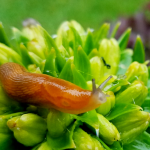
How a single easy trick can protect your seedlings from slugs and snails
Gardeners often face a silent battle against slugs and snails, which can devastate tender seedlings overnight. While these pests thrive in damp environments, a simple yet effective method has emerged as a game-changer: using natural barriers to deter slugs. This approach leverages materials readily available or easily sourced, offering a sustainable solution to protect vulnerable plants.
One of the most effective barriers involves sheep’s wool, which creates an unpleasant, scratchy surface for slugs. When applied around plants, the wool’s tiny fibers irritate the pests’ soft bodies, forcing them to retreat. Additionally, wool absorbs moisture from slugs, dehydrating them and discouraging further attempts to cross the barrier.
For optimal results, spread wool pellets (available at gardening stores) in a thick, tight band around seedlings. This prevents slugs from weaving through gaps. The wool expands when wet, forming a dense mat that dries out the pests. Unlike crushed eggshells—which are ineffective due to their blunt edges—wool provides a dual defense mechanism: physical irritation and moisture depletion.
Spiky Materials As Physical Barriers
Another low-effort method uses spiky plant prunings, such as bramble stems or rose thorns. These materials create a protective ring around seedlings. Lay them in a dense, unbroken circle to block slugs’ path. The sharp edges deter movement, while the irregular texture disrupts their ability to glide.
This approach is particularly useful for gardeners with access to thorny plants. Simply trim stems, arrange them tightly around plants, and replace as needed. Unlike chemical repellents, these barriers pose no risk to soil health or wildlife.
Garlic Spray: A Potent Preventative
Preparing The Garlic Solution
For a proactive defense, garlic spray serves as a natural repellent. Slugs detest the pungent aroma and taste of garlic, making it an ideal deterrent. To create the spray:
Crush 2 garlic bulbs and steep them in 1 liter of water for 24–48 hours.
Strain the mixture to remove solids.
Apply the solution to seedlings at dusk, when slugs are most active.
This method is cost-effective and environmentally friendly. Garlic’s active compounds disrupt slug behavior, reducing feeding activity and encouraging pests to seek alternative food sources.
Application And Effectiveness
Spray garlic solution directly on leaves and stems, ensuring coverage without over-saturating the soil. Reapply every 3–5 days, especially after rainfall, to maintain potency. While garlic doesn’t kill slugs outright, it creates an unpleasant environment that drives them away.
Alternative Methods For Slug Control
Beer Traps: A Traditional Approach
Beer traps remain a popular, albeit labor-intensive, solution. Slugs are attracted to the yeast in beer, which lures them into submerged containers. To set up:
Bury a shallow pan at soil level, filled with stale beer.
Replace the liquid every 2–3 days to maintain effectiveness.
While effective, this method requires frequent maintenance and may attract beneficial insects. It’s best used in combination with barriers for comprehensive protection.
Hand-Picking: A Manual Solution
For small gardens, hand-picking slugs at dusk or dawn is a direct method. Use a flashlight to locate pests, then relocate them to a distant area. This approach works well for isolated infestations but becomes impractical for large plots.
Other Repellents And Traps
Copper tape: Slugs react to copper’s electrolytic properties, which cause a mild shock. Place strips around plant pots.
Nematodes: Microscopic worms that target slug larvae. Apply to soil in spring.
Salt traps: Sprinkle salt around plants, but avoid direct contact with soil to prevent damage.
Why Barriers Outperform Other Methods
Natural barriers like sheep’s wool or spiky stems offer long-term, low-maintenance protection. Unlike traps or repellents, they require minimal upkeep and work continuously. Wool, in particular, addresses both physical and environmental factors, making it a robust first line of defense.
Protecting seedlings from slugs and snails doesn’t require complex solutions. By leveraging sheep’s wool barriers or garlic spray, gardeners can create an inhospitable environment for pests. These methods align with sustainable gardening practices, reducing reliance on chemicals while preserving soil health. For optimal results, combine barriers with occasional hand-picking or beer traps to address persistent infestations. With minimal effort, your seedlings can thrive—free from the silent threat of slugs and snails.
Allan is a lifelong gardening enthusiast who still gets excited when the first seedlings pop up in spring. With a deep love for nature and a hands-in-the-soil approach, he shares practical tips, plant discoveries, and clever tricks picked up over years of digging, planting, and observing. Whether you’re a new gardener or have a shed full of tools, Allan writes like a neighbor who’s always happy to swap cuttings and stories over the fence.
You can find more about Allan’s work on Malt or connect with him on LinkedIn.