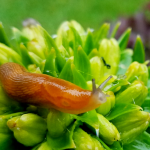
How to stop slugs from eating your plants naturally
Slugs remain one of the most persistent garden pests, damaging tender shoots and seedlings with their voracious appetites. While traditional chemical-based solutions like metaldehyde pellets have been phased out due to environmental concerns, gardeners now turn to natural methods that protect plants without harming wildlife. This guide explores effective, eco-friendly strategies to deter slugs, from organic pellets to biological controls and physical barriers.
Ferric phosphate: The approved organic option
Ferric phosphate pellets have replaced metaldehyde as the primary organic solution, offering comparable effectiveness without poisoning birds or hedgehogs. These pellets work by causing iron toxicity in slugs, leading to death within days. Unlike metaldehyde, they break down harmlessly in soil, making them suitable for organic gardens.
Application tips
Scatter pellets sparingly around vulnerable plants like seedlings or leafy greens.
Reapply after heavy rain or prolonged humidity, as moisture reduces their potency.
Avoid overuse to prevent disrupting local predator populations, which naturally control slug numbers.
Biological controls: Targeting slugs with microscopic allies
Nematodes: Microscopic predators
Beneficial nematodes (Phasmarhabditis hermaphrodita) are microscopic worms that hunt slug larvae and adults. When applied to moist soil, they infect slugs with bacteria, causing death within days.
Optimal application
Apply nematodes in the evening when soil is warm (above 5°C) and moist.
Treat high-risk areas like vegetable beds or raised containers.
Repeat every 6 weeks during the growing season for sustained protection.
Physical barriers: Creating impenetrable defenses
Copper tape: A shock-based deterrent
Copper reacts with slug mucus, causing a mild electric shock that deters them from crossing. Apply copper tape around raised beds, pots, or tree trunks to create a barrier. This method works continuously and requires minimal maintenance.
Wool pellets: Dual-purpose protection
Ovis Aries wool pellets expand when wet, forming an abrasive surface that slugs avoid. They also improve soil structure and release nutrients as they decompose, serving as both a deterrent and organic fertilizer.
Trap crops: Luring slugs away from prized plants
Brassicas: The ultimate slug magnet
Slugs prefer soft, nutrient-rich leaves, making brassicas like kale, mustard greens, and broccoli ideal trap crops. Plant these near vulnerable areas to divert pests away from valuable crops.
Other effective trap crops
Roman chamomile: Attracts slugs with its tender foliage.
Comfrey: A nutrient-rich plant that slugs find irresistible.
Red clover: Provides a dense, slug-friendly habitat.
Repellent plants: Leveraging nature’s defenses
Chives: A sulfur-based deterrent
Chives emit sulfur compounds that repel slugs. Plant them alongside vulnerable crops or use their chopped leaves as a mulch. Avoid overhead watering to prevent foliage from becoming soggy, which attracts slugs.
Coffee grounds: A household solution
Used coffee grounds repel slugs with their acidic pH and abrasive texture. Sprinkle them around plants or mix into soil to deter pests while enriching the soil with nitrogen.
Other repellent options
Basil: Its strong aroma disrupts slug navigation.
Chervil: A low-growing herb that slugs avoid.
Garlic: Crushed cloves release compounds that deter pests.
Integrated strategies: Combining methods for maximum impact
Layered defenses
Base layer: Apply nematodes to soil for biological control.
Perimeter protection: Use copper tape around beds.
Plant-based barriers: Interplant chives or basil with vulnerable crops.
Emergency response: Scatter ferric phosphate pellets during peak slug activity.
Seasonal adjustments
Spring: Prioritize nematodes and trap crops as slugs emerge.
Summer: Maintain copper barriers and reapply pellets after rain.
Autumn: Use wool pellets to protect late-season crops.
: Protecting plants sustainably
Natural slug control requires patience and a multi-faceted approach. By combining organic pellets, biological agents, physical barriers, and repellent plants, gardeners can protect crops while preserving ecosystem balance. Avoid over-reliance on any single method, as slugs adapt to repeated deterrents. Instead, rotate strategies and observe local pest patterns to refine your defense system. With these methods, you can enjoy a thriving, slug-resistant garden without compromising environmental health.
Allan is a lifelong gardening enthusiast who still gets excited when the first seedlings pop up in spring. With a deep love for nature and a hands-in-the-soil approach, he shares practical tips, plant discoveries, and clever tricks picked up over years of digging, planting, and observing. Whether you’re a new gardener or have a shed full of tools, Allan writes like a neighbor who’s always happy to swap cuttings and stories over the fence.
You can find more about Allan’s work on Malt or connect with him on LinkedIn.