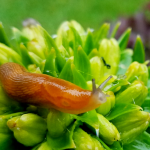
Gardeners worldwide face a persistent challenge: protecting plants from slugs. These nocturnal pests thrive in moist environments, damaging crops and ornamentals with alarming speed. While chemical solutions exist, organic alternatives are gaining traction. A recent discovery highlights grapefruit as an effective natural trap, offering a simple and eco-friendly solution. This article explores how grapefruit works, compares it to other repellent methods, and examines broader strategies for sustainable slug control.
Grapefruit’s effectiveness stems from its citrus properties and texture. Slugs are attracted to the fruit’s sweet, fermented aroma, which mimics decaying plant matter—a common food source. When placed in the garden, grapefruit acts as a bait, luring slugs into a trap. The sticky texture of the fruit’s flesh traps them, preventing further damage to plants.
Practical application tips
To maximize results:
Cut grapefruit halves and place them upside-down near vulnerable plants.
Replace the fruit every 2-3 days to maintain effectiveness.
Combine with other methods like copper barriers or crushed eggshells for layered protection.
This approach avoids harmful chemicals, making it safe for pets and wildlife. However, it requires regular maintenance to ensure ongoing efficacy.
Alternative natural repellents
Chives: A sulfur-based defense
Chives contain sulfur compounds that emit a strong odor, deterring slugs from approaching nearby plants. When planted alongside crops, they create a natural barrier. For optimal results:
Harvest chives regularly to encourage new growth and maintain potency.
Pair with marigolds or garlic to amplify repellent effects.
Garlic spray: A liquid deterrent
Garlic’s pungent aroma disrupts slug sensory systems. A simple spray made by blending crushed garlic with water can be applied directly to plants. This method is particularly effective for leafy greens and seedlings.
Beer traps: A classic solution
Beer traps exploit slugs’ attraction to fermented substances. A shallow container filled with cheap beer and placed near plants lures slugs, which drown in the liquid. Key considerations:
Position traps strategically to avoid attracting slugs to specific areas.
Empty traps daily to prevent odor buildup.
Biological controls: Long-term solutions
Nematodes: Microscopic predators
Phasmarhabditis sp. nematodes are parasitic organisms that target slugs. They infect pests, causing death within days. These biocontrols are:
Safe for edible crops and non-target species.
Environmentally friendly, breaking down naturally in soil.
Encouraging natural predators
Frogs, hedgehogs, and birds prey on slugs. To attract them:
Create wildlife-friendly habitats with ponds and native plants.
Avoid pesticides to protect beneficial insects.
Slug-resistant plants: Strategic planting
Choosing resilient species
Plants with leathery, hairy, or scented leaves are less appealing to slugs. Examples include:
Hostas (avoided due to texture).
Kirengeshoma palmata (unpalatable foliage).
Companion planting strategies
Interplanting garlic, chives, or marigolds with vulnerable crops creates a protective network. This approach reduces reliance on traps and chemicals.
Case studies: Real-world applications
Grapefruit in action
A gardener in the UK reported reduced slug damage after placing grapefruit halves around lettuce beds. The method proved particularly effective during rainy seasons, when slug activity peaks.
Chive success stories
Farmers in Oregon observed lower pest pressure after integrating chives into crop rotations. The sulfur compounds not only repelled slugs but also improved soil health.
Challenges and limitations
Maintenance requirements
Natural methods often demand consistent effort. Grapefruit traps need frequent replacement, while chives require regular harvesting. For busy gardeners, this may be a drawback.
Climate considerations
Grapefruit traps work best in moderate temperatures. In extreme heat, the fruit dries out quickly, reducing effectiveness.
Future directions: Innovations in organic pest control
Hybrid approaches
Combining grapefruit traps with nematode treatments could enhance efficacy. Early trials suggest this dual strategy reduces slug populations more effectively than single methods.
Research advancements
Scientists are exploring genetically modified plants with built-in slug resistance. While promising, these solutions remain controversial due to ecological concerns.
Grapefruit emerges as a promising natural repellent, offering a low-cost, chemical-free alternative to traditional slug control. When paired with companion planting, biological controls, and strategic traps, it forms part of a holistic defense system. As gardeners increasingly prioritize sustainability, such methods are poised to reshape pest management practices. By leveraging nature’s resources—from citrus fruits to microscopic predators—growers can protect crops while preserving environmental balance.
Allan is a lifelong gardening enthusiast who still gets excited when the first seedlings pop up in spring. With a deep love for nature and a hands-in-the-soil approach, he shares practical tips, plant discoveries, and clever tricks picked up over years of digging, planting, and observing. Whether you’re a new gardener or have a shed full of tools, Allan writes like a neighbor who’s always happy to swap cuttings and stories over the fence.
You can find more about Allan’s work on Malt or connect with him on LinkedIn.