Planting your garden? Avoid these 5 beginner mistakes
Starting a garden is an exciting venture, but even seasoned growers can fall into common pitfalls. As spring arrives, many beginners rush to plant without proper planning, leading to stunted growth, diseased plants, or wasted effort. Below, we break down five critical mistakes to avoid, backed by expert advice and recent gardening trends.
One of the most frequent errors is overwatering, which can drown roots and invite fungal diseases. Many beginners assume more water equals healthier plants, but most species thrive in well-draining soil. For example, succulents and snake plants require infrequent watering, while vegetables like tomatoes need consistent moisture.
Check soil moisture: Stick your finger into the soil up to the knuckle. If it feels dry, water; if damp, wait.
Use a moisture meter: Affordable tools provide precise readings to prevent guesswork.
Water deeply but infrequently: Encourage deep root growth by watering thoroughly once or twice a week instead of daily.
Choosing high-maintenance plants first
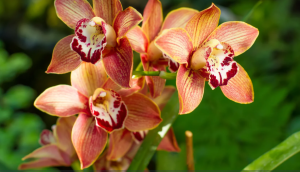
New gardeners often dive into complex crops like orchids or citrus trees before mastering basics. These plants demand precise light, temperature, and care, setting beginners up for failure.
Starting with low-maintenance options
Begin with hardy plants like basil, zinnias, or succulents. These tolerate minor mistakes and build confidence. Gradually introduce vegetables or fruit trees once skills improve.
Ignoring sunlight requirements
Placing plants in the wrong light conditions is a silent killer. Sun-loving plants like tomatoes or roses may wilt in shade, while shade-tolerant ferns or peace lilies can scorch in direct sun.
Mapping your garden’s light patterns
Track sunlight: Observe which areas receive full sun (6+ hours), partial shade (4–6 hours), or full shade (less than 4 hours).
Match plants to zones: Group plants by light needs to optimize growth. For example, place leafy greens in partial shade and sunflowers in full sun.
Using improper soil mixes
Poor soil preparation is a recurring issue. Many gardeners use pure sand or random compost, leading to nutrient deficiencies or waterlogging.
Crafting balanced soil
Aim for a mix of:
50% garden soil (base structure)
20% cocopeat (retains moisture)
20% compost (nutrient source)
10% perlite (improves drainage)
Avoid using 100% sand, as it lacks organic matter and dries out quickly.
Over-fertilizing young plants
Applying too much fertilizer early can burn roots and stunt growth. Beginners often assume more nutrients mean faster results, but young plants are sensitive.
Fertilizing wisely
Wait until plants establish: Let seedlings develop their first set of true leaves before fertilizing.
Use slow-release options: Diluted liquid fertilizers or granular slow-release formulas provide steady nutrition without shock.
Gardening success hinges on patience and preparation. By avoiding these five mistakes—overwatering, poor plant selection, mismatched sunlight, inadequate soil, and excessive fertilizing—beginners can create thriving gardens. Start small, research plant needs, and monitor progress. With time, even the most novice growers can harvest vibrant crops and enjoy the therapeutic benefits of nurturing life.
Sources: Recent gardening guides emphasize these pitfalls, with updated advice from experts like Betz and Singh on soil management and fertilization.
Allan is a lifelong gardening enthusiast who still gets excited when the first seedlings pop up in spring. With a deep love for nature and a hands-in-the-soil approach, he shares practical tips, plant discoveries, and clever tricks picked up over years of digging, planting, and observing. Whether you’re a new gardener or have a shed full of tools, Allan writes like a neighbor who’s always happy to swap cuttings and stories over the fence.
You can find more about Allan’s work on Malt or connect with him on LinkedIn.