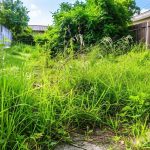
How I turned a patch of dry dirt into the greenest spot in my yard
Turning a barren patch of dirt into a thriving green space begins with understanding the challenges and opportunities of the area. Start by evaluating soil composition, sunlight exposure, and drainage patterns—critical factors that determine plant viability and maintenance needs. For example, dry soil may require organic amendments like compost or mulch to retain moisture, while poor drainage might necessitate raised beds or French drains.
Defining the purpose of the green space is equally important. Will it serve as a relaxation zone, a garden for growing vegetables, or a wildlife-friendly habitat? This decision guides plant selection, layout, and budget allocation. A budget-conscious approach often prioritizes low-maintenance plants and repurposed materials, as seen in recent DIY backyard makeovers.
One of the fastest ways to transform dry dirt is through mulching, which suppresses weeds, retains moisture, and adds visual appeal. Fresh mulch in colors like cedar or cocoa brown can instantly elevate a space, as demonstrated in recent patio makeovers. Pair this with ground cover plants like creeping thyme or sedum, which spread quickly and require minimal upkeep.
Selecting low-maintenance plants is key to long-term success. Native species or drought-tolerant varieties like succulents or ornamental grasses thrive in challenging conditions and reduce water consumption. For small spaces, consider vertical gardens or container plants to maximize greenery without extensive landscaping.
Designing for functionality and aesthetics
Creating zones for different activities
A well-designed green space balances functionality and beauty. Divide the area into activity zones—such as a seating area, a garden bed, and a pathway—to create a cohesive layout. Use recycled materials like reclaimed wood or repurposed bricks for pathways and planters, adding eco-friendly charm.
Incorporating recycled materials not only reduces costs but also enhances sustainability. For example, old pallets can become raised garden beds, while plastic bottles can serve as mini-greenhouses for seedlings.
Maintaining the space for long-term health
Establishing a care routine
Regular maintenance ensures the space remains vibrant. Watering schedules should align with plant needs, while pruning keeps shrubs and hedges tidy. For living fences or hedges, adopt creative pruning techniques to encourage dense growth or artistic shapes, as seen in mixed native hedges that support biodiversity.
Addressing pests and diseases proactively prevents damage. Opt for disease-resistant plant varieties, like inkberry holly instead of traditional boxwoods, to avoid issues like boxwood blight.
Leveraging weekend blitz strategies
Maximizing a two-day transformation
For those short on time, a weekend garden blitz can yield dramatic results. Begin on Friday evening by clearing debris, pruning dead branches, and mapping tasks. On Saturday, focus on mulching, planting, and installing hardscaping like gravel pathways. Sunday can be dedicated to decorating with outdoor furniture and applying weed barriers like cardboard to suppress growth.
Using cardboard as a weed barrier is a cost-effective hack. Lay sheets of cardboard under mulch or gravel to block light and prevent weed germination, reducing maintenance over time.
Case study: A successful backyard oasis
A recent DIY project transformed a neglected yard into a relaxing retreat using budget-friendly methods. The homeowner applied fresh mulch to define seating areas, planted drought-tolerant perennials, and painted a concrete patio for a modern look. Affordable furniture from online retailers and stylish accents like solar-powered lights completed the transformation, proving that creativity often outweighs cost.
Turning dry dirt into a lush green space requires strategic planning, budget-conscious choices, and consistent care. By prioritizing low-maintenance plants, recycled materials, and weekend-focused efforts, homeowners can create inviting outdoor areas that enhance both functionality and aesthetics. For inspiration, explore recent DIY makeovers showcasing time-lapse transformations and eco-friendly designs.
Allan is a lifelong gardening enthusiast who still gets excited when the first seedlings pop up in spring. With a deep love for nature and a hands-in-the-soil approach, he shares practical tips, plant discoveries, and clever tricks picked up over years of digging, planting, and observing. Whether you’re a new gardener or have a shed full of tools, Allan writes like a neighbor who’s always happy to swap cuttings and stories over the fence.
You can find more about Allan’s work on Malt or connect with him on LinkedIn.