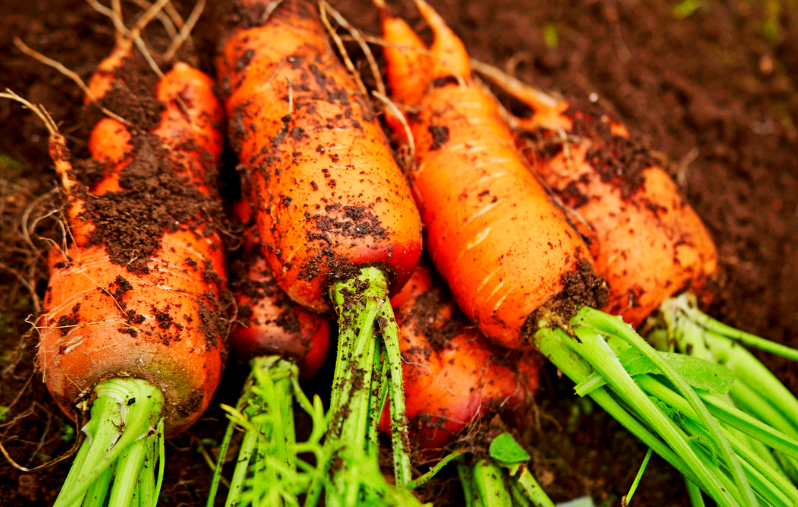
Carrots thrive in well-draining, loose soil with minimal obstructions like rocks or clay. Poor soil conditions often lead to deformed roots, but targeted strategies can overcome these challenges. The key lies in optimizing soil structure, selecting appropriate varieties, and employing precise watering techniques.
Carrots require a deep, stone-free soil to grow straight and long. In poor soil, roots may twist or fork due to compacted layers or debris. To address this, gardeners should:
Remove rocks and debris manually or through sieving.
Amend soil with organic matter like compost or aged manure to improve aeration and drainage.
Create raised beds with a mix of topsoil and sand for better root penetration.
Climate and Temperature Considerations
Carrots prefer cool, consistent temperatures (60–75°F) and moderate humidity. Sudden heat waves or cold snaps can stress plants, leading to bolting (premature flowering). In warmer climates, planting in late winter or early spring avoids temperature fluctuations.
Choosing the Right Varieties
Selecting carrot varieties suited to challenging soil conditions is critical. Breeders have developed strains that tolerate heavy clay, rocky terrain, or compacted beds.
Bolt-Resistant Varieties
Bolting occurs when carrots experience stress from temperature swings or poor soil. Bolt-resistant varieties like ‘Danvers 126’ and ‘Touchon’ are bred to withstand these challenges:
‘Danvers 126’: A heirloom variety with dark orange roots (6–8 inches long) that adapts to diverse soils, including heavy clay.
‘Touchon’: A Nantes-type carrot (6 inches long) known for its crunchy texture and resistance to bolting.
Compact Varieties for Small Spaces
For shallow or rocky soil, compact varieties like ‘Little Finger’ or ‘Parisienne’ are ideal:
‘Little Finger’: Grows to 4 inches long, thrives in poor soil, and matures quickly.
‘Parisienne’: A round, thumb-sized carrot that performs well in containers or shallow beds.
Preparing the Soil
Even with the right variety, poor soil requires careful preparation to ensure optimal growth.
Amending Poor Soil with Organic Matter
Organic amendments improve soil structure and nutrient availability:
Compost or aged manure: Adds humus, which enhances water retention and microbial activity.
Peat moss or coconut coir: Balances sandy or clay soils by improving drainage and moisture retention.
Avoid over-tilling: Excessive tilling can damage soil structure. Instead, mix amendments into the top 12–18 inches of soil.
Creating a Well-Draining Bed
Carrots rot in waterlogged soil. To prevent this:
Elevate beds: Build raised beds using untreated wood or stone to improve drainage.
Add sand or perlite: Mix 10–20% sand or perlite into heavy clay to reduce compaction.
Test drainage: Dig a shallow hole, fill it with water, and ensure it drains within 10–15 minutes.
Optimal Watering Techniques
Consistent moisture is vital for seed germination and root development. Overhead watering can create crusts that block seedlings, while drip irrigation delivers water directly to roots.
Avoiding Overhead Watering
Overhead watering risks:
Caking the soil surface, which prevents seeds from breaking through.
Washing away nutrients in sandy soils.
Instead, use shallow basins or soaker hoses to water gently.
Using Drip Irrigation
Drip systems provide controlled moisture:
Install drip tape along rows to deliver water slowly and evenly.
Maintain consistent moisture during germination (7–10 days) to prevent crust formation.
Reduce watering once plants are established, as carrots are drought-tolerant.
Preventing Common Issues
Even with ideal conditions, challenges like pests, diseases, and bolting can arise. Proactive measures mitigate these risks.
Managing Temperature Fluctuations
Sudden heat or cold triggers bolting. To counter this:
Mulch beds: Apply a 2-inch layer of straw or bark chips to regulate soil temperature.
Harvest early: If a heat wave is forecasted, pull carrots before they bolt.
Use row covers: Protect plants from frost in early spring.
Controlling Pests and Diseases
Common threats include:
Carrot rust flies: Use fine-mesh row covers to block adult flies.
Root rot: Rotate crops annually and avoid overwatering.
Nematodes: Solarize soil in summer to kill pests.
Growing crunchy carrots in poor soil demands strategic planning. By selecting bolt-resistant or compact varieties, amending soil with organic matter, and employing drip irrigation, gardeners can overcome challenges. Consistent moisture, temperature management, and pest control further ensure success. Whether in heavy clay, rocky terrain, or shallow beds, these methods unlock the potential for a bountiful harvest.
Allan is a lifelong gardening enthusiast who still gets excited when the first seedlings pop up in spring. With a deep love for nature and a hands-in-the-soil approach, he shares practical tips, plant discoveries, and clever tricks picked up over years of digging, planting, and observing. Whether you’re a new gardener or have a shed full of tools, Allan writes like a neighbor who’s always happy to swap cuttings and stories over the fence.
You can find more about Allan’s work on Malt or connect with him on LinkedIn.