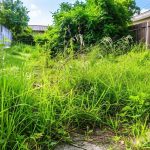
Tomato blight, a fungal disease caused by Phytophthora infestans, thrives in warm, wet conditions and can devastate crops within days. With summer storms approaching, gardeners face heightened risks as rainwater splashes spores from soil to leaves, accelerating infection. Early signs include black or brown spots on lower leaves, often progressing to stem and fruit damage if untreated. Outdoor tomatoes are particularly vulnerable compared to greenhouse-grown plants, which avoid leaf contact with rainwater.
What is tomato blight?
This pathogen spreads through microscopic spores that travel via water droplets or wind. It flourishes in temperatures between 60°F and 80°F (15°C–27°C), making summer storms ideal for outbreaks. Blight can destroy entire harvests if left unchecked, making proactive prevention critical.
Why summer storms increase blight risk
Rainfall during storms creates ideal conditions for spore dispersal. Water droplets splash soil-borne spores onto leaves, initiating infections. Overhead irrigation exacerbates this risk, while heavy rain washes spores from contaminated soil to healthy plants.

Essential prevention strategies
Effective blight management combines soil management, targeted watering, and plant care. These methods create a layered defense against spore transfer and fungal growth.
Mulching to block spore transfer
A 2-foot-wide mulch barrier around plants prevents soil splash during watering or rain. Materials like straw, wood chips, or grass clippings act as physical barriers, reducing spore contact with leaves. Mulch also retains moisture, reducing the need for frequent watering and lowering humidity around plants.
Proper watering techniques
Soil-level watering is crucial. Direct water to the base of plants to avoid wetting leaves, minimizing spore transfer. Avoid overhead irrigation, which mimics storm conditions by splashing spores.
Pruning for air circulation
Remove lower leaves showing yellowing or spotting to improve airflow. This reduces humidity around stems and prevents fungal growth. Prune drooping foliage to lift plants off damp soil, further limiting spore contact.
Crop rotation and soil management
Replanting tomatoes in the same soil year after year allows blight spores to persist. Rotate crops to disrupt the pathogen’s lifecycle. Test soil annually and amend with compost to boost microbial diversity, which competes with blight pathogens.
Supporting plant health
Structural support and monitoring are vital for maintaining plant resilience.
Using tomato cages and stakes
Elevate plants with cages or stakes to improve air circulation and reduce soil contact. This prevents moisture retention on lower leaves and stems, creating an environment less conducive to blight.
Monitoring for early signs of blight
Inspect plants weekly, focusing on lower leaves where infections often begin. Look for:
- Black/brown spots (1/3 inch diameter)
- Yellowing foliage
- Stem lesions
Early detection allows targeted pruning or treatment before widespread damage.
Natural and organic solutions
For gardeners prioritizing eco-friendly methods, these approaches complement physical defenses.
Companion planting
Planting marigolds or basil nearby may deter pests and improve soil health, indirectly supporting tomato resilience. While not a direct blight treatment, these plants enhance overall garden biodiversity.
Organic fungicides
Copper-based sprays or neem oil can treat early infections. Apply these solutions at the first sign of blight, focusing on affected areas to minimize environmental impact.
Long-term garden management
Sustainable practices ensure blight resistance across growing seasons.
Soil preparation and fertilization
Test soil pH annually, aiming for a slightly acidic to neutral range (6.0–7.0). Overfertilization can stress plants, making them more susceptible to disease. Use balanced fertilizers to promote robust growth without excessive foliage.
Planning for future seasons
Save seeds from blight-resistant varieties to propagate resilient plants. Rotate tomato beds annually, replacing with non-solanaceous crops like beans or carrots to break the blight cycle.
Summer storms pose significant blight risks, but proactive measures can safeguard tomato crops. By combining mulching, targeted watering, pruning, and crop rotation, gardeners create a robust defense system. Regular monitoring and structural support further enhance plant health. Implement these strategies now to protect your harvest from the coming storms.

Allan is a lifelong gardening enthusiast who still gets excited when the first seedlings pop up in spring. With a deep love for nature and a hands-in-the-soil approach, he shares practical tips, plant discoveries, and clever tricks picked up over years of digging, planting, and observing. Whether you’re a new gardener or have a shed full of tools, Allan writes like a neighbor who’s always happy to swap cuttings and stories over the fence.
You can find more about Allan’s work on Malt or connect with him on LinkedIn.