As the winter months come to a close, gardeners are eager to start their spring planting. One of the most crucial steps in preparing for this season is warming up the soil. Soil temperature plays a significant role in seed germination and plant growth. In colder climates, the soil may remain frozen or too cool for planting, which is why techniques to warm it up are essential.
To begin, it’s important to understand that different regions have varying soil conditions and climates. For instance, in colder zones like Vermont’s Zone 5a and 5b, the ground may still be covered in snow, while warmer zones are already seeing signs of spring. Regardless of the climate, there are several methods to accelerate soil warming and prepare your garden for early planting.
Using row covers and heat sinks
One effective method to warm up the soil is by using row covers and heat sinks. Row covers are lightweight fabrics that allow sunlight to reach the soil while retaining heat. They can be used to cover garden beds before planting to warm the soil. Additionally, heat sinks like cinder blocks or black water jugs can be placed under the row covers to absorb and release heat, maintaining a consistent temperature throughout the night or on cloudy days.
For example, placing large black jugs of water or cinder blocks under a clear plastic row cover can act as a thermal mass, holding onto the sun’s energy during the day and slowly releasing it at night. This technique helps maintain a warmer soil temperature, even when the air cools down significantly.
Avoiding early mulching
Another important tip is to avoid mulching too early. While mulching is beneficial for retaining moisture and controlling weeds, it can insulate the soil and prevent it from warming up quickly. It’s best to leave the soil exposed until it has reached a suitable temperature for planting. Once the soil is warm enough, mulching can be applied to maintain moisture and regulate soil temperature.
Planning your garden layout
Before the soil is ready for planting, it’s essential to plan your garden layout. This involves deciding which crops to plant, where to place them, and how to ensure a healthy and productive garden ecosystem.
Starting seeds indoors
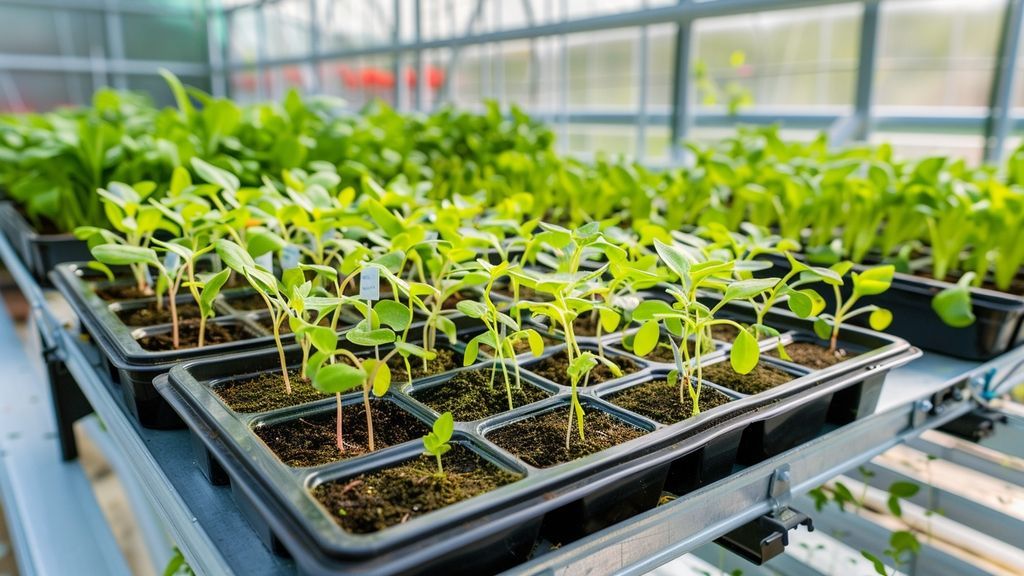
For colder climates, starting seeds indoors is a great way to get a head start on the growing season. This method allows you to begin growing cool-season crops like onions, leeks, and brassicas (such as broccoli and kale) several weeks before they can be transplanted outside. Using seed trays with good drainage and a seed-starting mix can help ensure healthy seedlings.
Choosing the right seeds
When selecting seeds, consider using organic, heirloom, and regionally adapted varieties. These types of seeds support biodiversity and are often better suited to local climates. Additionally, using biodegradable seed trays can reduce waste and contribute to a more sustainable gardening practice.
Preparing garden beds
As the snow melts and the ground begins to thaw, it’s time to prepare your garden beds for spring planting. This process involves clearing debris, testing soil pH, and amending the soil if necessary.
Clearing debris and testing soil
Clear any debris, fallen leaves, or old plant material from your garden beds to prevent pests and diseases from overwintering. Then, test your soil’s pH and nutrient levels using a home test kit or through a local extension service. Based on the results, amend the soil with organic matter, compost, or natural fertilizers to create a fertile environment for spring planting.
Amending soil with compost
Composting is a vital part of regenerative gardening, as it helps restore soil health and strengthen ecosystems. Even in cold regions, you can start composting indoors using methods like vermicomposting (worm composting) to create nutrient-rich worm castings. For warmer climates, layering food scraps with leaves and mulch can keep decomposition active throughout the year.
Maintaining and organizing tools
Having well-maintained tools is crucial for efficient gardening. During the winter months, take the time to clean, sharpen, and organize your gardening tools. This includes cleaning tools with soapy water, sharpening blades on pruners and shears, and replacing any worn-out tools.
Warming up your soil faster for spring planting involves a combination of techniques such as using row covers and heat sinks, planning your garden layout, starting seeds indoors, preparing garden beds, and maintaining your tools. By implementing these strategies, you can ensure a strong start to your growing season and enjoy a thriving garden throughout the year. Whether you’re in a colder or warmer climate, preparing ahead of time is key to maximizing your garden’s potential.
Allan is a lifelong gardening enthusiast who still gets excited when the first seedlings pop up in spring. With a deep love for nature and a hands-in-the-soil approach, he shares practical tips, plant discoveries, and clever tricks picked up over years of digging, planting, and observing. Whether you’re a new gardener or have a shed full of tools, Allan writes like a neighbor who’s always happy to swap cuttings and stories over the fence.
You can find more about Allan’s work on Malt or connect with him on LinkedIn.