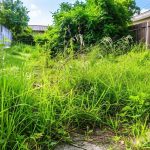
Lawn looking tired? Try these 6 eco-friendly fixes right now
Maintaining a lush, healthy lawn doesn’t have to come at the expense of the environment. Traditional methods often rely on synthetic chemicals and gas-powered equipment, contributing to pollution and resource depletion. Eco-friendly alternatives not only rejuvenate your lawn but also promote sustainability. Below, we explore six actionable solutions to transform your outdoor space while minimizing ecological impact.
Organic fertilizers replace synthetic chemicals with natural ingredients, improving soil health and reducing environmental harm. Products like Revive’s organic-based fertilizers use wetting agents to enhance water retention, allowing roots to absorb moisture more efficiently. This approach reduces watering needs by up to 30% while promoting microbial activity in the soil.
How organic fertilizers work
Organic options like compost or natural nutrients rebuild soil structure, enabling better nutrient absorption. Revive offers liquid and granular formulas tailored to different lawn sizes and needs, ensuring flexibility for homeowners.
Benefits beyond fertilization
These products are pet-safe and eco-friendly, eliminating risks associated with toxic chemicals. They also support long-term soil health, reducing reliance on frequent applications.
Adopt electric or manual lawn equipment
Gas-powered mowers and trimmers emit pollutants, but electric alternatives eliminate emissions entirely. Companies like Clean Air Lawn Care use solar-powered trucks to charge equipment, combining sustainability with efficiency.
Solar-powered solutions
Clean Air’s fleet relies on solar panels to power electric mowers, blowers, and trimmers, creating a zero-emission maintenance process. This model reduces carbon footprints while maintaining professional-grade results.
Manual tools for small areas
For smaller lawns, manual tools like push mowers or rakes minimize energy use. Landzie’s lawn leveling rakes and fork aerators enable precise, low-impact maintenance.
Install drought-tolerant turf
Water conservation is critical in arid regions. Drought-tolerant grasses like buffalo grass or blue grama thrive with minimal irrigation, reducing water waste. Turf services often recommend native species adapted to local climates.
Synthetic turf as an alternative
For low-maintenance options, synthetic turf eliminates watering, mowing, and fertilizing needs. While not organic, it mimics natural grass aesthetics with minimal environmental impact.
Practice natural weed control
Chemical herbicides harm ecosystems, but organic methods target weeds without collateral damage. NaturaLawn of America uses pesticide-free weed control, prioritizing safety for pets and wildlife.
Physical removal techniques
Manual weeding or using tools like lawn forks disrupts weed growth cycles. Landzie’s compost spreaders replenish soil nutrients, making it harder for weeds to compete.
Preventative strategies
Improving soil health through organic fertilizers and proper aeration reduces weed growth. Healthy lawns naturally outcompete invasive species.
Improve soil health with compost and aeration
Soil quality is foundational to a thriving lawn. Composting recycles organic waste into nutrient-rich amendments, while aeration enhances airflow and water penetration.
Composting for nutrient density
Landzie’s compost spreaders distribute organic matter evenly, boosting microbial activity. This process mimics natural decomposition cycles, enriching soil over time.
Aeration techniques
Fork aerators or core aerators break up compacted soil, allowing roots to access oxygen and water. This method is particularly effective for lawns with heavy foot traffic.
Mulch clippings to retain nutrients
Recycling grass clippings as mulch reduces waste and replenishes soil nutrients. This practice aligns with zero-waste principles and minimizes the need for synthetic fertilizers.
How mulching works
Leaving clippings on the lawn or using them as mulch in garden beds returns organic matter to the soil. Over time, this improves soil structure and fertility.
For tailored solutions, partner with sustainable turf services that assess soil quality, drainage, and grass health. These experts design maintenance plans that balance aesthetics and environmental stewardship.
Holistic lawn assessments
Professionals evaluate factors like sunlight exposure and soil composition to recommend drought-tolerant grasses or organic fertilizers. This approach maximizes results while minimizing ecological impact.
Community-focused franchises
Companies like Clean Air Lawn Care expand sustainable practices through franchising, empowering local communities to adopt greener methods.
Revitalizing a tired lawn doesn’t require sacrificing environmental values. By adopting organic fertilizers, electric equipment, drought-tolerant turf, natural weed control, soil health strategies, and professional guidance, homeowners can achieve vibrant, sustainable outdoor spaces. These methods not only address immediate lawn issues but also contribute to broader ecological health, ensuring a greener future for generations to come.
Allan is a lifelong gardening enthusiast who still gets excited when the first seedlings pop up in spring. With a deep love for nature and a hands-in-the-soil approach, he shares practical tips, plant discoveries, and clever tricks picked up over years of digging, planting, and observing. Whether you’re a new gardener or have a shed full of tools, Allan writes like a neighbor who’s always happy to swap cuttings and stories over the fence.
You can find more about Allan’s work on Malt or connect with him on LinkedIn.