

Aphids remain one of the most common pests affecting rose plants, particularly during spring and early summer. These tiny, soft-bodied insects feed on sap, causing curled or discolored leaves, and secrete honeydew that attracts sooty mold. While they rarely kill roses outright, severe infestations can weaken plants and reduce flowering.
What are aphids and how do they harm roses?
Aphids thrive in warm weather, multiplying rapidly on new growth. They come in green, pink, or black varieties and cluster on leaf undersides or shoot tips. Their feeding disrupts plant cells, leading to distorted foliage, while honeydew residue promotes fungal growth that blocks sunlight.
Beyond cosmetic damage, aphids can transmit plant viruses and attract ants that protect them from predators. However, most rose plants survive minor infestations, as aphids typically don’t cause irreversible harm.
Why traditional pesticides may not be the best solution
While chemical treatments control aphids, they often harm beneficial insects like bees and ladybugs. Overuse also risks developing pesticide-resistant aphid populations.
Catmint: The overlooked natural deterrent
Catmint (Nepeta), a low-maintenance perennial, has gained attention for its dual role as a pest repellent and pollinator attractant. Its silvery foliage and blue flowers contrast beautifully with roses, making it a popular companion plant.
How catmint repels aphids through chemical compounds
Catmint produces nepetalactone, a chemical that deters aphids while attracting predators like ladybugs and lacewings. This compound also repels ants, fleas, and mosquitoes, creating a protective barrier around roses.
Attracting beneficial insects to combat aphids
By drawing natural predators, catmint fosters a balanced ecosystem. Ladybugs and lacewings feed on aphids, reducing infestations without harming plants. This approach aligns with integrated pest management principles.
Additional benefits of planting catmint
Catmint serves as ground cover, suppressing weeds, and supports pollinators like bees. Its drought tolerance makes it ideal for sunny rose beds, requiring minimal maintenance.
Other flowers that protect roses
While catmint is highly effective, other blooms offer complementary protection. These plants work best when planted strategically around rose beds.
Marigolds: A colorful and effective alternative
Marigolds’ strong, pungent aroma confuses aphids and disrupts their feeding patterns. Varieties like French marigolds or Signet marigolds grow low to the ground, creating a vibrant barrier around roses. They also attract beneficial insects like hoverflies.
Lavender and hardy geraniums: Complementary options
Lavender’s fragrance repels aphids, while hardy geraniums’ dense growth crowds out pests. These plants thrive in similar conditions to roses, making them practical additions to rose gardens.
Alliums: A natural barrier against pests
Alliums’ strong onion-like scent deters aphids and other insects. Their tall, globe-shaped flowers add visual interest and create a physical barrier between pests and roses.
Expert recommendations for effective pest control
Gardening experts emphasize combining companion planting with other organic methods for optimal results.
Strategic planting for maximum protection
Plant catmint or marigolds around rose beds to create a perimeter defense. Interweaving these flowers with roses ensures continuous pest deterrence.
Combining flowers with other organic methods
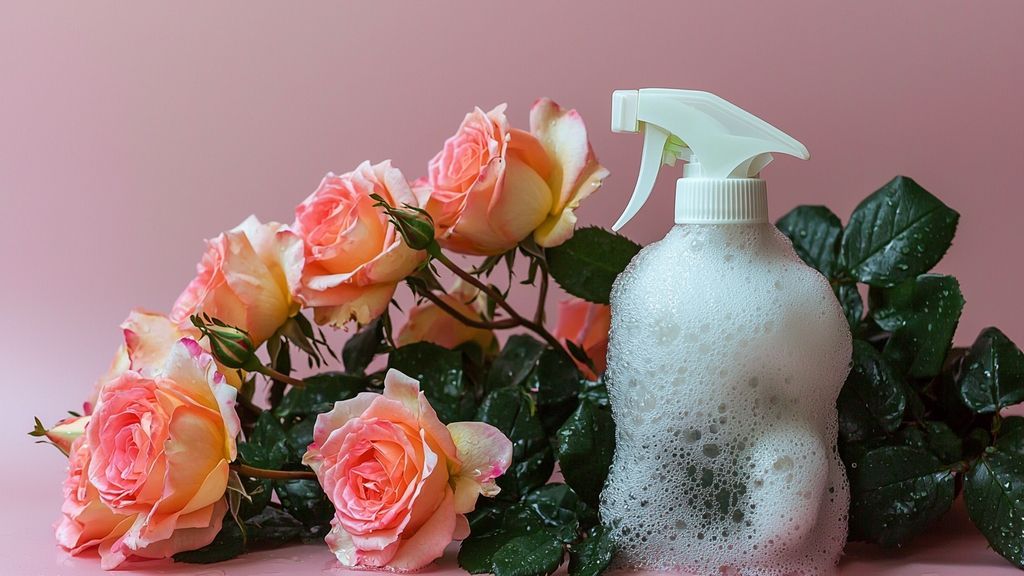
For persistent infestations, mix mild dish soap with water to spray roses, dislodging aphids without harming plants. This approach complements companion planting by addressing existing pests.
Monitoring and maintaining healthy rose plants
Regularly inspect roses for aphids, focusing on new growth. Healthy plants with adequate nutrients and water are better equipped to withstand minor infestations.
The future of natural pest control in gardening
As environmental concerns grow, interest in plant-based pest solutions is rising. This shift reflects broader trends toward sustainable gardening practices.
Growing interest in sustainable gardening practices
Home gardeners increasingly prioritize eco-friendly methods, driving demand for companion planting guides and organic pest control products.
Research into new plant-based deterrents
Scientists are studying lesser-known plants with pest-repelling properties, potentially expanding options for gardeners.
Community efforts to promote eco-friendly solutions
Gardening communities share knowledge about companion planting, fostering collaborative approaches to pest management.
While aphids remain a challenge, flowers like catmint and marigolds offer effective, natural solutions. By integrating these plants into rose gardens, gardeners can reduce reliance on chemicals and promote biodiversity. As awareness grows, these methods may become standard practices in sustainable gardening.

Allan is a lifelong gardening enthusiast who still gets excited when the first seedlings pop up in spring. With a deep love for nature and a hands-in-the-soil approach, he shares practical tips, plant discoveries, and clever tricks picked up over years of digging, planting, and observing. Whether you’re a new gardener or have a shed full of tools, Allan writes like a neighbor who’s always happy to swap cuttings and stories over the fence.
You can find more about Allan’s work on Malt or connect with him on LinkedIn.


