
to Mulching in Early Spring
Mulching in early spring is a crucial gardening practice that offers numerous benefits for soil health, plant growth, and overall garden maintenance. By applying mulch at the right time and using the appropriate materials, gardeners can enhance their garden’s resilience to weather conditions, reduce weed growth, and improve soil fertility. This article will guide you through the process of mulching in early spring, covering the best times to apply mulch, the types of mulch to use, and how to do it effectively.
Benefits of Mulching
Mulching is a simple yet effective technique that provides several advantages for gardeners. Here are some of the key benefits:
- Weed Suppression: Mulch acts as a barrier, preventing weeds from germinating and competing with your plants for water and nutrients.
- Soil Moisture Retention: Mulch helps the soil retain moisture, reducing the need for frequent watering and protecting plants from drought stress.
- Temperature Regulation: Mulch keeps the soil cooler in summer and warmer in winter, creating a more stable environment for root growth.
- Soil Enrichment: As mulch breaks down, it adds organic matter to the soil, improving its structure and fertility.
Choosing the Right Mulch
Selecting the appropriate mulch for your garden is essential. Here are some popular organic mulch options:
- Leaf Mold or Leaves: These are excellent for improving soil structure and providing habitat for beneficial insects.
- Straw or Grass Clippings: These materials are readily available and break down quickly, adding nutrients to the soil.
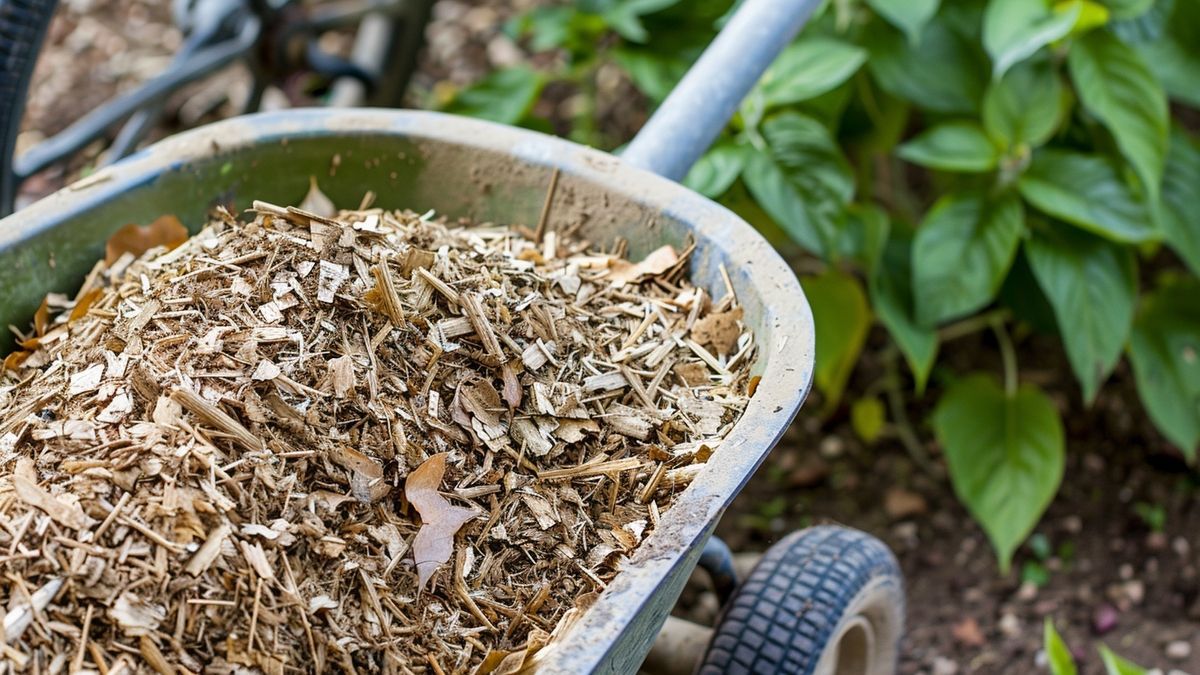
- Wood Chips or Sawdust: These are good for paths and borders but should be from untreated wood to avoid chemical contamination.
When to Apply Mulch

The timing of mulch application is crucial for maximizing its benefits. Here’s when and how to apply mulch in early spring:
Preparing the Soil
Before applying mulch, it’s essential to prepare the soil. This involves:
- Weeding: Remove any existing weeds to prevent them from growing through the mulch.
- Soil Treatment: If necessary, treat the soil with compost or other amendments to improve its fertility.
Applying Mulch
Once the soil is prepared, you can apply the mulch. Here are some tips:
- Depth: Apply a layer of mulch that is about 2 to 3 inches deep. This is sufficient to suppress weeds without preventing water from reaching the soil.
- Timing: Apply mulch as soon as possible after planting in early spring. This helps to retain moisture and regulate soil temperature from the start.
- Maintenance: Some mulches, like grass clippings, break down quickly and may need to be reapplied during the growing season.
Common Mulching Mistakes
Avoiding common mistakes can ensure that your mulching efforts are successful. Here are a few things to watch out for:
- Too Much Mulch: Applying too much mulch can prevent water from reaching the roots of plants and may lead to rot.
- Incorrect Mulch Type: Using the wrong type of mulch, such as peat moss, can be unsustainable and ineffective as a mulch.
- Mixing with Soil: Avoid mixing mulch into the soil, as this can disrupt soil structure and biodiversity.
Mulching in Different Climates
Mulching strategies can vary depending on your climate. Here are some considerations:
- Cooler Climates: In cooler climates, mulch can help warm the soil in early spring, promoting earlier planting.
- Warmer Climates: In warmer climates, mulch helps keep the soil cooler, reducing heat stress on plants.
Mulching in early spring is a simple yet effective way to improve your garden’s health and productivity. By choosing the right mulch, applying it at the correct time, and avoiding common mistakes, you can create a thriving garden environment that requires less maintenance and supports healthy plant growth. Whether you’re a seasoned gardener or just starting out, incorporating mulching into your gardening routine can make a significant difference in the success of your garden.

Allan is a lifelong gardening enthusiast who still gets excited when the first seedlings pop up in spring. With a deep love for nature and a hands-in-the-soil approach, he shares practical tips, plant discoveries, and clever tricks picked up over years of digging, planting, and observing. Whether you’re a new gardener or have a shed full of tools, Allan writes like a neighbor who’s always happy to swap cuttings and stories over the fence.
You can find more about Allan’s work on Malt or connect with him on LinkedIn.


