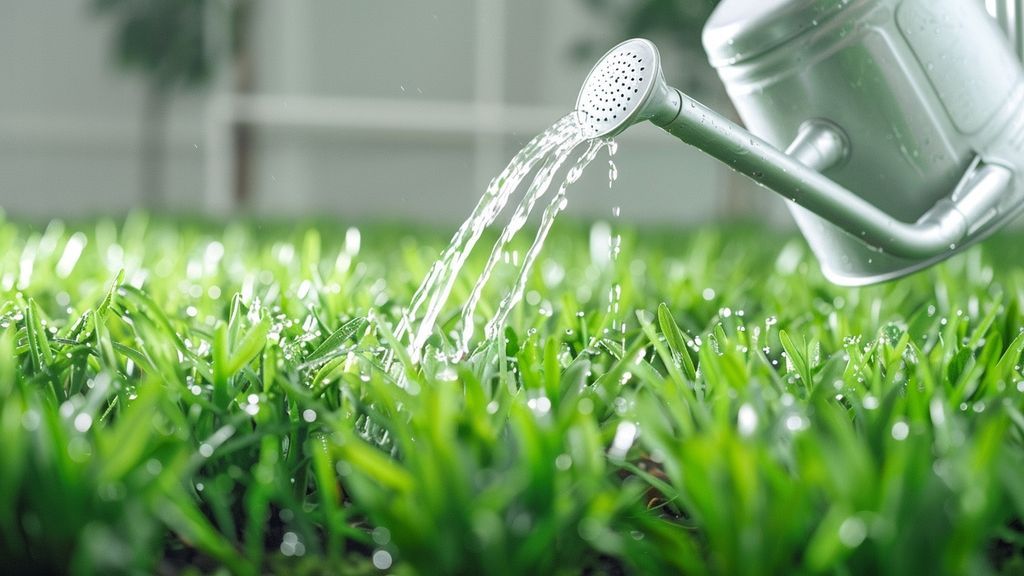
The perfect timing for weed and feed to transform your lawn
Timing is critical for effective weed control and fertilizer uptake. Most experts recommend spring applications when weeds first emerge, typically after the first mowing of the season. This aligns with the natural growth cycle of cool-season grasses and allows the herbicide to target actively growing weeds.
Apply weed and feed in late March to early May when daytime temperatures reach 60°F–85°F (15°C–30°C). This period ensures weeds are actively growing but grass is still in its early growth phase. For newly seeded lawns, wait until after the third mowing to avoid damaging young grass.
Fall applications
A second application can be made in late August to early September for warm-season grasses like Bermuda or zoysia. However, avoid fertilizing warm-season turf in late fall, as this increases winterkill risk. Cool-season grasses benefit from fall feeding to promote root growth before winter dormancy.
Avoiding overuse
Never apply weed and feed more than twice annually. Overuse can lead to chemical buildup in soil, harming beneficial microorganisms and grass health. Allow at least two months between applications to prevent herbicide accumulation.
Optimal time of day for application
Weather conditions significantly impact herbicide efficacy and grass safety.
Late afternoon or early evening
Apply weed and feed after 4 PM when temperatures drop below 85°F (29°C). This minimizes the risk of fertilizer salts burning grass blades during peak sun exposure.
Dewy mornings
If applying in the morning, ensure dew is present on grass blades. This helps the herbicide adhere to weed foliage. Avoid midday applications when heat and UV exposure are highest.
Preparing your lawn for treatment
Proper preparation ensures even coverage and maximizes results.
Mowing and watering
Mow 1–2 days before application to remove dead grass and expose weeds.
Water the lawn thoroughly (>½ inch) 1–2 days prior to soften soil and activate fertilizer.
Avoid irrigation for 48 hours post-application to allow herbicide absorption.
Soil testing
Conduct a soil test in late March to determine pH and nutrient levels. Adjust lime or fertilizer applications accordingly before applying weed and feed.
Application techniques for maximum effectiveness
Proper equipment calibration and spreading methods prevent over-application and uneven coverage.
Spreader settings
Use a broadcast spreader calibrated to the product’s recommended rate. For example, The Andersons Weed & Feed 24-0-16 covers up to 5,000 sq ft per 18-lb bag.
Targeted vs. broadcast application
Broadcast: Effective for widespread weed infestations.
Spot treatment: Better for isolated weeds to minimize fertilizer waste.
Safety considerations for people, pets, and plants
Weed and feed contains post-emergent herbicides that require careful handling.
Human and pet precautions
Keep children and pets off treated areas for 24–48 hours to allow herbicide absorption.
Wear gloves and protective clothing during application to prevent skin contact.
Environmental precautions
Avoid drift onto gardens or waterways. Herbicides can harm aquatic life and ornamental plants.
Check local regulations for banned chemicals in your area.
Choosing the right weed and feed product
Not all products are created equal. Select formulations based on your grass type and weed severity.
Post-emergent vs. pre-emergent
Post-emergent: Targets existing broadleaf weeds (e.g., dandelions, clover). Apply when weeds are actively growing.
Pre-emergent: Prevents crabgrass and annual weeds. Apply in early spring before germination.
Nitrogen content and slow-release formulas
Look for products with 24-0-16 N-P-K ratios for balanced feeding. Slow-release nitrogen provides sustained green-up without excessive growth spurts.
Iron additives for deep greening
Products containing 1% iron enhance chlorophyll production, resulting in darker green blades within days of application.
Common mistakes to avoid
Even experienced gardeners make errors that reduce efficacy.
Over-fertilizing
Applying weed and feed too frequently can lead to nitrogen burn or soil contamination. Stick to the recommended schedule.
Applying to stressed grass
Avoid treating lawns suffering from drought, disease, or insect damage. Weakened grass may not recover from herbicide exposure.
Ignoring grass type
Warm-season grasses like centipede or Bahiagrass should never receive fall fertilization. Cool-season grasses (e.g., Kentucky bluegrass) thrive with spring and fall feeding.
Long-term lawn care strategies
Weed and feed is just one tool in a comprehensive lawn maintenance plan.
Seasonal fertilization
Spring: Apply weed and feed after first mowing.
Summer: Use high-nitrogen fertilizers for growth.
Fall: Apply slow-release formulas for root development.
Overseeding and aeration
Combine weed and feed with fall overseeding to fill bare spots and improve density. Annual core aeration enhances soil drainage and nutrient uptake.
Integrated pest management
Rotate herbicides to prevent weed resistance. Pair weed and feed with grub control in late May and fungus treatments during humid months.
Timing is the cornerstone of effective weed and feed application. By aligning treatments with seasonal growth cycles, optimizing application windows, and selecting the right products, homeowners can achieve a lush, weed-free lawn. Remember to prioritize soil health, grass type, and environmental safety to maximize long-term results.
Allan is a lifelong gardening enthusiast who still gets excited when the first seedlings pop up in spring. With a deep love for nature and a hands-in-the-soil approach, he shares practical tips, plant discoveries, and clever tricks picked up over years of digging, planting, and observing. Whether you’re a new gardener or have a shed full of tools, Allan writes like a neighbor who’s always happy to swap cuttings and stories over the fence.
You can find more about Allan’s work on Malt or connect with him on LinkedIn.