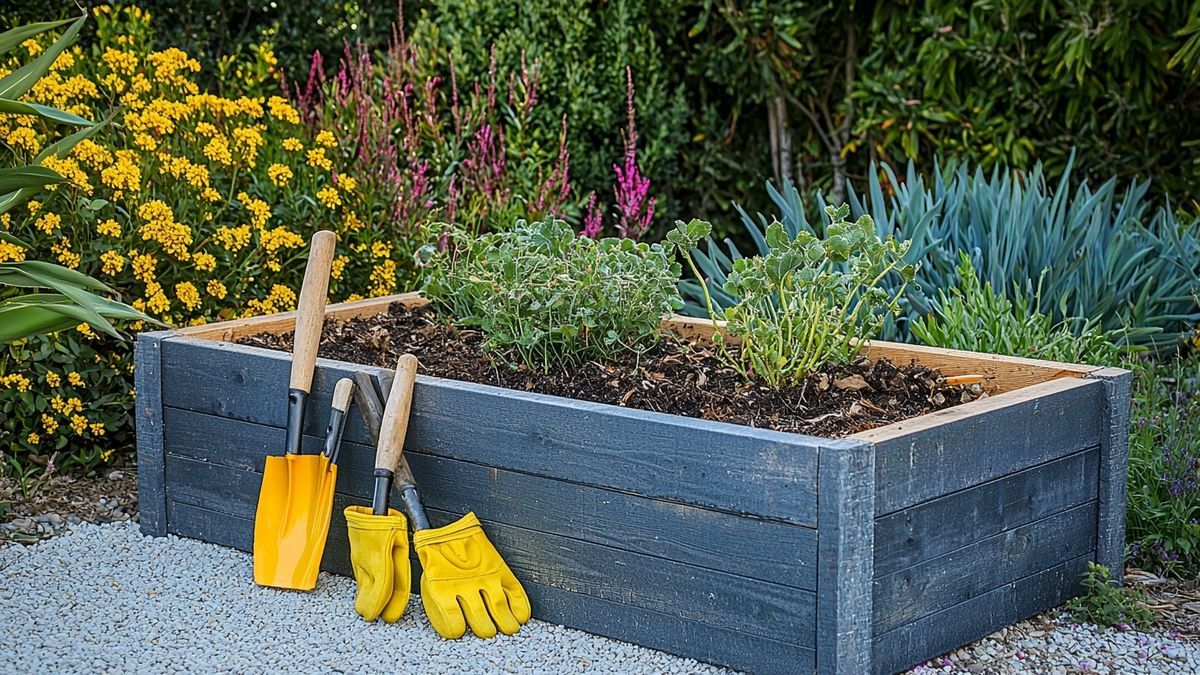
Starting a Raised Bed Garden? Here’s Everything You Need to Know
Starting a raised bed garden can be an exciting and rewarding experience, offering numerous benefits over traditional in-ground gardening. Raised beds provide better soil quality, improved drainage, and increased accessibility, making them ideal for gardeners of all levels. Here’s a comprehensive guide to help you get started:
When selecting a raised bed, consider the material, size, and height. Raised beds can be made from various materials such as cedar, composite wood, recycled plastic, and galvanized steel. Each material has its advantages, with cedar and redwood being naturally resistant to rot and insects. The size of the bed should be based on the space available and the type of plants you plan to grow. A common size is 3×6 feet, allowing for easy access and maintenance.
Selecting the perfect location
The location of your raised bed is crucial for optimal growth. Most vegetables and flowers require at least eight hours of sunlight per day, so choose a spot that receives ample sunlight. Ensure the area is level and well-drained to prevent waterlogging, which can lead to root rot and other issues. If your yard has poor drainage, consider installing a raised bed on a slight incline or using a soaker hose to manage water distribution efficiently.
Building your raised bed
Building a raised bed can be a cost-effective and rewarding DIY project. You can use affordable materials like spruce or repurposed pallets to construct the frame. Here are the basic steps to build a simple raised bed:
Plan Your Design: Decide on the size and material for your bed. A 3×6 feet bed is a good starting point.
Gather Materials: You’ll need lumber (e.g., 1×6 or 2×6 boards), screws, a saw, and a drill.
Assemble the Frame: Cut the lumber to size and assemble the frame using screws.
Line the Bed (Optional): Use a damp-proof membrane to prevent moisture from seeping into the wood and to reduce weed growth.
Fill the Bed: Use a mix of organic materials like wood chips, leaves, and compost to fill the bed, topped with a layer of topsoil.
Tips for durability
To extend the life of your raised bed, consider applying a wood treatment to protect against rot and insects. Regular maintenance, such as checking for damage and replacing worn-out parts, is also essential.
Preparing the soil
The quality of the soil in your raised bed is paramount for healthy plant growth. Here are some tips for preparing the perfect soil mix:
Use High-Quality Soil: Fill your bed with a blend of potting mix specifically designed for raised beds, as it drains better than regular garden soil.
Add Organic Matter: Incorporate compost or manure to enrich the soil with nutrients and improve its structure.
Check pH Levels: Ensure the soil pH is suitable for the plants you’re growing. Most vegetables prefer a slightly acidic to neutral pH (around 6.0 to 7.0).
Maintaining soil health
Regularly replenish nutrients in your raised bed by adding compost or fertilizers. This helps maintain soil health and supports continuous plant growth throughout the seasons.
Planting in raised beds
Raised beds offer the flexibility to plant a variety of crops, from vegetables to flowers. Here are some tips for planting:
Choose the Right Plants: Select plants that thrive in raised beds, such as tomatoes, cucumbers, and herbs. Consider compact varieties for smaller beds.
Plan Your Layout: Use a kitchen garden planner to optimize space and ensure proper spacing between plants.
Use Vertical Supports: Install trellises or cages to support climbing plants like peas and beans, maximizing space and improving air circulation.
Seasonal planting strategies
Adjust your planting schedule based on the season. For example, cool-season crops like broccoli and spinach can be planted early in spring or late in summer, while warm-season crops like tomatoes and peppers should be planted after the last frost.
Managing pests and diseases
Raised beds can be more susceptible to pests and diseases due to their concentrated growing space. Here are some strategies to manage these issues:
Use Row Covers: Protect plants from pests like aphids and fleas with lightweight row covers.
Maintain Good Hygiene: Regularly inspect plants for signs of disease and remove any infected material to prevent spread.
Encourage Beneficial Insects: Attract beneficial insects like bees and ladybugs by planting a diverse range of flowers and herbs.
Preventing weeds
To prevent weeds from competing with your plants for water and nutrients, use a weed barrier at the bottom of the bed or mulch heavily on top. Regularly inspect and remove any weeds that manage to grow through.
Starting a raised bed garden is a rewarding project that can enhance your outdoor space and provide fresh produce right at your doorstep. By choosing the right materials, preparing the soil, and selecting appropriate plants, you can create a thriving garden that brings joy and satisfaction throughout the growing season. Whether you’re a seasoned gardener or just beginning, raised beds offer a versatile and accessible way to grow your favorite plants.
Allan is a lifelong gardening enthusiast who still gets excited when the first seedlings pop up in spring. With a deep love for nature and a hands-in-the-soil approach, he shares practical tips, plant discoveries, and clever tricks picked up over years of digging, planting, and observing. Whether you’re a new gardener or have a shed full of tools, Allan writes like a neighbor who’s always happy to swap cuttings and stories over the fence.
You can find more about Allan’s work on Malt or connect with him on LinkedIn.