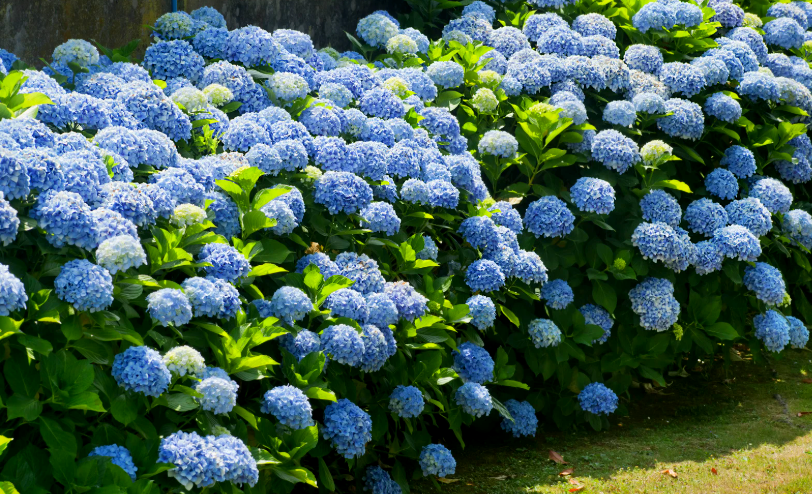
The kitchen ingredient that turned my hydrangeas bright blue without any chemicals
For decades, gardeners have sought natural methods to achieve blue hydrangeas without synthetic chemicals. A surprising solution emerged from an ordinary pantry staple: vinegar. This acidic liquid, commonly used in cooking, has proven effective in altering soil chemistry to produce striking blue flowers. While not an instant fix, vinegar’s gradual pH-lowering properties make it a popular choice for eco-conscious growers.
Hydrangeas’ flower color depends on aluminum availability in the soil. In acidic environments (pH below 6.0), aluminum becomes soluble, binding to the plant’s pigments to create blue hues. Alkaline soils (pH above 7.0) lock aluminum away, resulting in pink blooms.
Understanding the role of aluminum
Aluminum ions interact with anthocyanins (pigments) in hydrangea flowers, producing blue shades. This process is pH-dependent:
Acidic soils: Aluminum dissolves, enabling blue pigmentation
Neutral/alkaline soils: Aluminum remains insoluble, leading to pink flowers
Testing your soil pH
Before applying vinegar, measure soil acidity using:
DIY kits (available at gardening stores)
Laboratory testing (for precise readings)
Most hydrangeas thrive in slightly acidic to neutral soils (pH 5.5–7.0), but blue varieties require pH 5.5–6.0.
The science behind vinegar’s effectiveness
Vinegar’s acidity (pH 2.4–3.4) helps lower soil pH gradually. When applied around hydrangea roots, it:
Dissolves aluminum from soil particles
Makes aluminum bioavailable for uptake by the plant
Triggers biochemical reactions that produce blue pigments
How to apply vinegar safely
For optimal results:
Dilute vinegar with water (1:4 ratio) to avoid root burn
Apply 1–2 cups around the base monthly during growing season
Monitor pH every 2–3 weeks to avoid over-acidification
Practical steps for achieving blue blooms
Preparing the soil
Test existing pH to determine baseline acidity
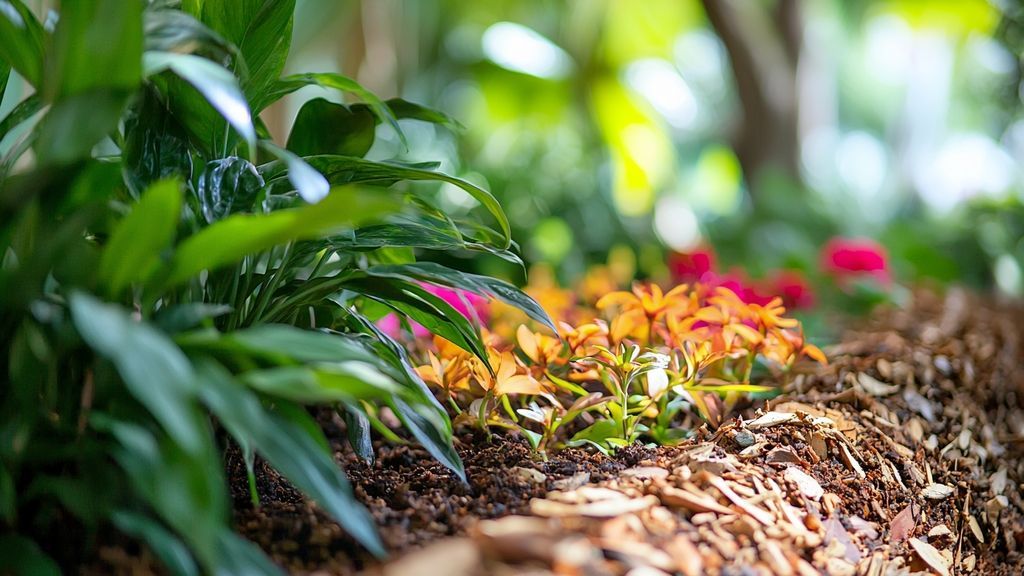
Add organic matter (compost, peat moss) to improve soil structure
Spring: Resume vinegar treatments after last frost
Summer: Maintain consistent moisture levels
Fall: Apply final vinegar dose before dormancy
Winter: Protect roots from extreme cold
: A sustainable approach to vibrant blooms
Vinegar offers a chemical-free solution for achieving blue hydrangeas, though success requires diligence and understanding of soil chemistry. By carefully managing pH levels and selecting appropriate plant varieties, gardeners can enjoy these striking flowers while maintaining eco-friendly practices. For those willing to invest time and effort, this kitchen staple proves a powerful tool in the quest for blue blooms.
Allan is a lifelong gardening enthusiast who still gets excited when the first seedlings pop up in spring. With a deep love for nature and a hands-in-the-soil approach, he shares practical tips, plant discoveries, and clever tricks picked up over years of digging, planting, and observing. Whether you’re a new gardener or have a shed full of tools, Allan writes like a neighbor who’s always happy to swap cuttings and stories over the fence.
You can find more about Allan’s work on Malt or connect with him on LinkedIn.