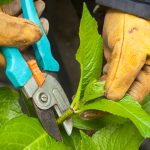
Hydrangeas captivate gardeners with their vibrant blooms and lush foliage, but achieving optimal leaf health requires careful attention to natural care methods. While these plants thrive in diverse conditions, their leaves often suffer from environmental stressors, nutrient deficiencies, or improper maintenance. By focusing on soil quality, strategic watering, and targeted fertilization, gardeners can nurture healthier hydrangeas without relying on synthetic chemicals. This article explores evidence-based strategies to enhance leaf vitality, drawing from horticultural research and expert recommendations.
Soil preparation: The foundation for healthy leaves
Organic matter plays a critical role in hydrangea leaf health. Adding compost or well-rotted manure improves soil structure, enhances nutrient retention, and supports beneficial microbial activity. These amendments help roots absorb essential minerals like iron, which prevents chlorosis (yellowing leaves with green veins).
pH adjustment directly impacts flower color but also influences nutrient availability. While blue hydrangeas require acidic soil (pH ≤6) and pink varieties prefer alkaline conditions (pH ≥7), maintaining a balanced pH around 6.5 ensures optimal nutrient uptake for foliage.
Proper drainage prevents root rot, a common cause of leaf discoloration. Hydrangeas thrive in moist but well-draining soil. Incorporating perlite or sand into heavy clay soils improves aeration, while raised beds help avoid waterlogged roots.
Watering techniques for robust foliage

Deep watering mimics natural rainfall patterns, encouraging root development. Water hydrangeas 1–2 times weekly during hot weather, saturating the soil to a depth of 4–6 inches. Check moisture by inserting a finger into the soil up to the knuckle.
Avoiding overwatering prevents root decay and fungal infections. Signs of excess moisture include brown leaf edges and premature leaf drop. Use drip irrigation or soaker hoses to deliver water directly to roots, reducing evaporation and runoff.
Morning watering minimizes fungal risks. Hydrangeas are prone to powdery mildew and botrytis in humid conditions. Watering at dawn allows leaves to dry before nightfall, reducing disease susceptibility.
Fertilization: Feeding without overloading
Balanced fertilizers (e.g., 10-10-10 NPK) provide equal nitrogen, phosphorus, and potassium. Apply once in spring to support new growth without overstimulating foliage at the expense of blooms.
Slow-release options offer sustained nutrient delivery. Granular fertilizers or compost tea release nutrients gradually, reducing the risk of root burn compared to fast-acting synthetic formulas.
Iron supplements address chlorosis. Apply iron-rich compost or liquid iron solutions sparingly, as excess iron can harm soil microorganisms. Soil tests should guide supplementation to avoid imbalances.
Pruning practices to promote healthy growth
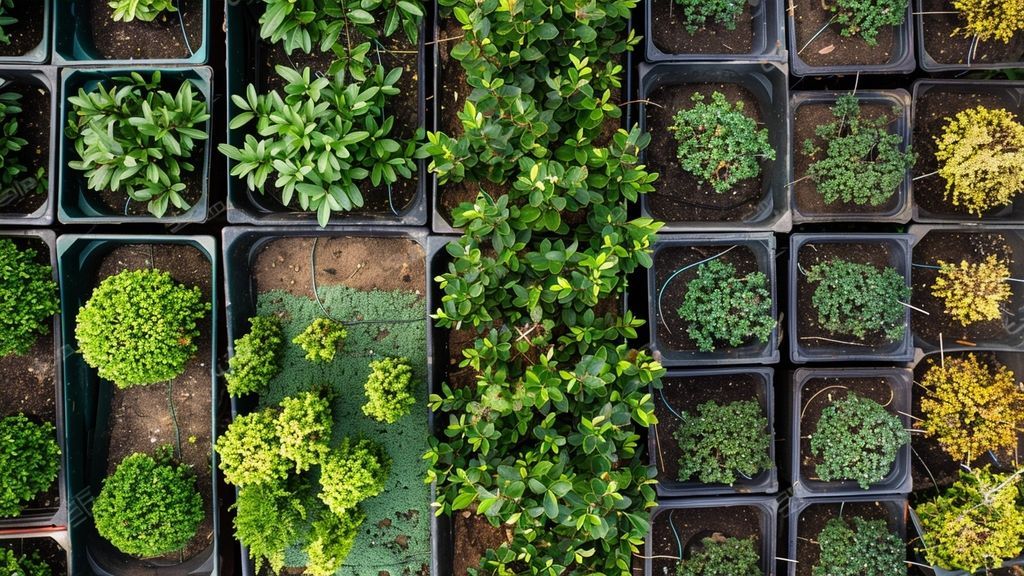
Old wood vs. new wood determines pruning timing. Bigleaf and oakleaf hydrangeas (old wood) should be pruned immediately after blooming, as buds form on previous year’s stems. Panicle and smooth hydrangeas (new wood) can be cut back in late winter or early spring.
Selective thinning removes dead or diseased branches. Cut woody stems at the base to encourage new growth from the crown. This improves air circulation and reduces fungal infection risks.
Minimal intervention preserves natural structure. Over-pruning can stress plants, leading to weak growth. For established hydrangeas, focus on removing crossing branches and shaping for sunlight penetration.
Pest and disease management
Common pests like aphids, spider mites, and Japanese beetles weaken leaves by sucking sap or chewing foliage. Inspect plants regularly and treat infestations with neem oil or insecticidal soap before blooms appear.
Fungal diseases thrive in damp, poorly ventilated areas. Powdery mildew and botrytis cause white powdery spots or brown lesions. Treat with copper-based fungicides and improve air circulation by spacing plants appropriately.
Preventive measures include removing infected debris and avoiding overhead watering. Mulching around the base retains moisture and suppresses weed competition, reducing stress on the plant.
Environmental factors influencing leaf health

Temperature extremes affect leaf vitality. Hydrangeas prefer moderate temperatures (60–80°F) and high humidity. In hot climates, provide afternoon shade to prevent leaf curling and wilting.
Wind protection minimizes physical damage. Exposed plants may develop torn or bruised leaves. Planting hydrangeas near shrubs or using windbreaks reduces stress from harsh weather.
Pollution sensitivity impacts urban gardens. Air pollutants like ozone can cause leaf discoloration. Use organic mulch to filter pollutants and improve soil health.
Common mistakes to avoid
Over-fertilization leads to leggy growth and reduced blooms. High-nitrogen fertilizers promote foliage at the expense of flowers, while excessive phosphorus inhibits aluminum uptake (critical for blue blooms).
Improper watering causes root rot or drought stress. Avoid frequent shallow watering, which encourages weak surface roots. Instead, water deeply but infrequently to develop robust root systems.
Neglecting soil testing leads to nutrient imbalances. Regular soil analysis ensures pH and nutrient levels align with the plant’s needs, preventing deficiencies or toxicities.
Achieving greener, healthier hydrangea leaves requires a holistic approach combining soil enrichment, strategic watering, and targeted fertilization. By avoiding synthetic overloads and focusing on natural methods, gardeners can nurture resilient plants that thrive in diverse conditions. Regular monitoring and adaptive care ensure these beloved shrubs remain vibrant focal points in any garden.

Allan is a lifelong gardening enthusiast who still gets excited when the first seedlings pop up in spring. With a deep love for nature and a hands-in-the-soil approach, he shares practical tips, plant discoveries, and clever tricks picked up over years of digging, planting, and observing. Whether you’re a new gardener or have a shed full of tools, Allan writes like a neighbor who’s always happy to swap cuttings and stories over the fence.
You can find more about Allan’s work on Malt or connect with him on LinkedIn.