

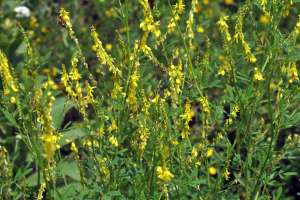
Yellow-flowered clover species, including Melilotus and Oxalis stricta, have emerged as versatile allies for modern gardening, agriculture, and environmental sustainability. These plants thrive in diverse conditions, offering benefits ranging from soil enrichment to culinary versatility. Their adaptability to both sun and shade makes them ideal for landscapes seeking resilience and ecological balance.
Environmental Benefits
Soil Improvement Through Nitrogen Fixation
Yellow-flowered clovers like Melilotus altissimus and Melilotus indicus act as natural soil enhancers. Their nitrogen-fixing properties improve soil fertility, reducing the need for synthetic fertilizers. This trait makes them valuable as cover crops, breaking disease cycles and replenishing nutrients in depleted soils.
Pollinator Support For Biodiversity
These clovers provide nectar-rich flowers that attract bees, butterflies, and other pollinators. Their blooms create habitats for beneficial insects, fostering biodiversity in gardens and agricultural fields. This ecological role aligns with global efforts to protect pollinator populations.
Agricultural Applications
Cover Crops And Forage Production
Melilotus species excel as cover crops, suppressing weeds and preventing soil erosion. Their deep root systems improve soil structure, while their high protein content makes them valuable for livestock feed. Farmers increasingly adopt these plants to enhance crop rotation systems.
Drought Tolerance And Resilience
Yellow-flowered clovers thrive in challenging conditions, including droughts. Their ability to retain moisture and adapt to poor soils makes them ideal for regions with unpredictable rainfall. This resilience supports sustainable farming practices.
Culinary And Medicinal Uses
Edible Parts And Flavor Profiles
Oxalis stricta (commonly called lemon clover) offers tangy, lemon-like leaves and flowers. These can be added to salads, used in teas, or consumed raw as a thirst quencher. The plant’s green pods provide a crisp, rhubarb-like texture, while its juices serve as a vinegar substitute.
Herbal Remedies And Health Considerations
Rich in vitamin C, Oxalis stricta has historically treated scurvy. Poultices made from the plant address swellings, though moderation is key due to oxalic acid content, which may inhibit calcium absorption.
Low-Maintenance Landscaping Solutions
Clover Lawns For Sustainable Living
White clover lawns require less mowing, self-fertilize, and suppress weeds naturally. Their soft texture and drought tolerance make them ideal for eco-conscious homeowners. Mixed with grass, they create durable, low-input landscapes.
Shade Tolerance And Versatility
While yellow-flowered clovers prefer sun, some species adapt to partial shade. Their stoloniferous growth allows them to fill gaps and recover quickly from wear, reducing maintenance needs.
Challenges And Considerations
Oxalic Acid And Dietary Moderation
Consuming Oxalis stricta in excess may lead to nutrient imbalances due to oxalic acid. Experts recommend limiting intake to small quantities, especially for those with kidney issues.
Invasive Potential And Management
Certain clover species can outcompete native plants. Monitoring growth and controlling spread ensures they remain beneficial allies rather than ecological threats.
Future Prospects And Innovation
Research Into Hybrid Varieties
Scientists explore hybridizing clovers to enhance drought resistance and nutrient content. These efforts aim to optimize their role in sustainable agriculture.
Community Adoption And Education
Workshops and guides on clover cultivation are rising, empowering gardeners and farmers to harness their benefits. This grassroots movement aligns with global sustainability goals.
Yellow-flowered clovers embody a harmonious blend of ecological utility and practical application. From enriching soils to nourishing bodies, their multifaceted benefits position them as indispensable allies in modern environmental and agricultural landscapes. As awareness grows, these plants may redefine how we approach sustainability in both urban and rural settings.

Allan is a lifelong gardening enthusiast who still gets excited when the first seedlings pop up in spring. With a deep love for nature and a hands-in-the-soil approach, he shares practical tips, plant discoveries, and clever tricks picked up over years of digging, planting, and observing. Whether you’re a new gardener or have a shed full of tools, Allan writes like a neighbor who’s always happy to swap cuttings and stories over the fence.
You can find more about Allan’s work on Malt or connect with him on LinkedIn.


