
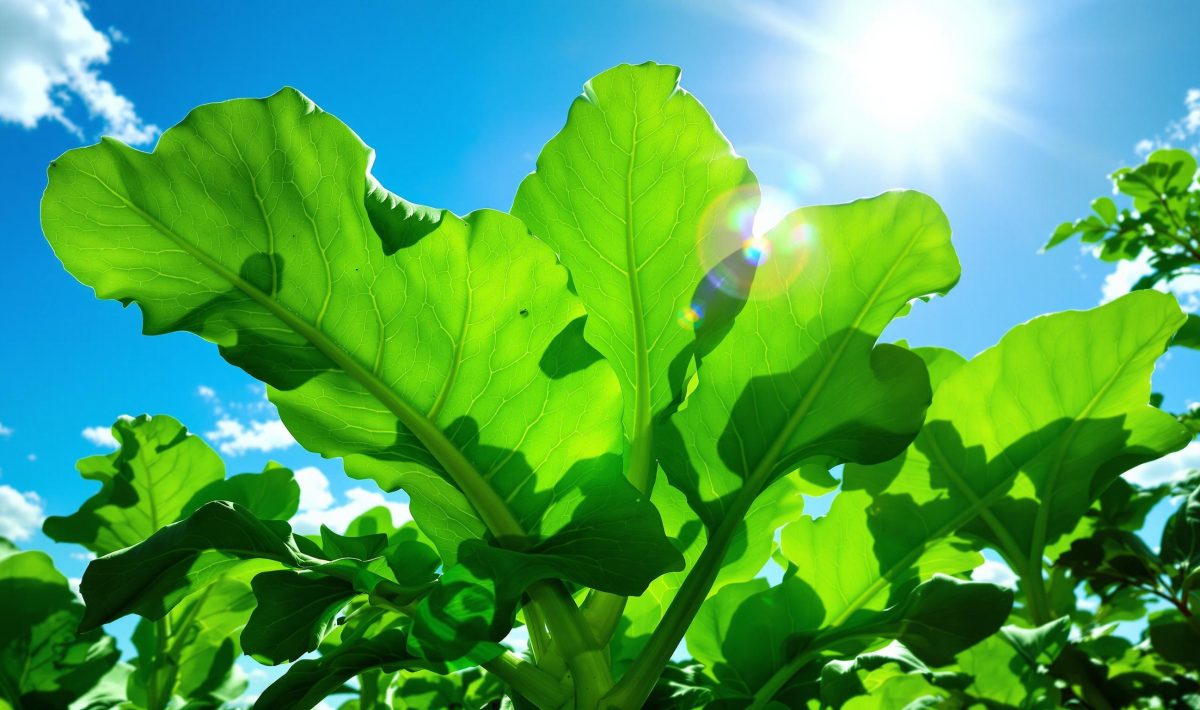
In an era where gardening trends favor flashy microgreens and Instagram-worthy harvests, one humble vegetable remains overlooked despite its remarkable resilience and culinary versatility. Common sorrel, a perennial green with a tangy lemon-like flavor, thrives with minimal care and returns year after year. Its ability to grow effortlessly in poor soil and tolerate neglect makes it an ideal choice for busy gardeners, yet it remains a secret weapon for those in the know.
Why This Vegetable Is Often Overlooked
A Brief History of Its Decline in Popularity
Sorrel’s decline in popularity can be traced to shifting culinary preferences and the rise of hybrid vegetables. Once a staple in European kitchens, it fell out of favor as modern diets prioritized milder flavors. Its tartness, while prized in traditional recipes, became less appealing in contemporary cuisine dominated by sweet and neutral-tasting greens.
[smartquiz]
Modern Gardening Trends That Overlook It
Today’s gardening culture often emphasizes quick results and visually striking plants. Sorrel’s unassuming appearance—its leaves resemble spinach but with a reddish tint—fails to capture attention compared to vibrant microgreens or colorful heirloom tomatoes. Additionally, its perennial nature means it doesn’t require annual replanting, reducing its visibility in seed catalogs and gardening communities focused on seasonal crops.
How to Grow This Vegetable with Minimal Effort
Choosing the Right Variety
While common sorrel (Rumex acetosella) is the most widely available, gardeners can also explore French sorrel (Rumex scutatus) for its milder flavor and rounded leaves. Both varieties thrive in zones 3–8 and require no special tools or techniques.

Planting and Maintenance Tips
- Soil and Sunlight: Sorrel tolerates poor soil but performs best in well-drained, slightly acidic earth. It prefers partial shade but adapts to full sun if watered regularly.
- Sowing Seeds: Directly plant seeds ¼ inch deep and 6–12 inches apart in early spring or fall. Thin seedlings to 12 inches apart as they grow.
- Harvesting: Pinch off leaves as needed, or cut the entire plant back to 2 inches to encourage regrowth. Avoid overharvesting, as this weakens the plant.
The Nutritional and Culinary Benefits
Nutritional Profile
Sorrel is rich in vitamin C, iron, and antioxidants, making it a healthier alternative to spinach. Its tartness also aids digestion, a trait valued in traditional medicine.
Versatile Uses in the Kitchen
- Salads: Add fresh leaves to salads for a citrusy zing.
- Soups: Simmer leaves with potatoes or lentils for a tangy broth.
- Sauces: Blend cooked sorrel with cream and garlic for a vibrant pasta sauce.
- Pickling: Preserve leaves in vinegar for a tangy condiment.
Other Vegetables That Thrive with Little Attention
Rhubarb: The Sweet and Tart Perennial
Rhubarb, often paired with strawberries in pies, is another low-maintenance perennial. Its stalks grow vigorously in zones 3–8 and require only annual fertilization. Harvest stalks when they reach 12–18 inches, avoiding the toxic leaves.
Arugula: A Peppery Green for Year-Round Harvests
Perennial arugula (Diplotaxis tenuifolia) regrows after harvesting and tolerates light frosts. Its peppery flavor adds depth to salads, and it grows in as little as 20 days.
Radishes: Quick-Growing Root Vegetables
Radishes mature in just 3–4 weeks and require minimal space. Varieties like Cherry Belle and French Breakfast thrive in containers and between larger plants, making them ideal for small gardens.
Asparagus: A Long-Term Investment
Though it takes 3 years to establish, asparagus yields abundant harvests for decades. Plant crowns in spring, water regularly, and harvest spears in early spring for a burst of fresh flavor.
For gardeners seeking low-effort, high-reward crops, common sorrel and its perennial peers offer a sustainable solution. These vegetables require no specialized care, adapt to challenging conditions, and provide fresh produce year after year. By embracing these overlooked plants, gardeners can enjoy the satisfaction of homegrown food without the hassle of intensive maintenance.

Allan is a lifelong gardening enthusiast who still gets excited when the first seedlings pop up in spring. With a deep love for nature and a hands-in-the-soil approach, he shares practical tips, plant discoveries, and clever tricks picked up over years of digging, planting, and observing. Whether you’re a new gardener or have a shed full of tools, Allan writes like a neighbor who’s always happy to swap cuttings and stories over the fence.
You can find more about Allan’s work on Malt or connect with him on LinkedIn.


I love discovering easy-to-grow veggies! can’t wait to try this one in my garden. thanks for the tip! 😊
I gave jerusalem artichokes a try last spring, the things practically took over my garden! zero hassle and so tasty when roasted. completely worth planting them.
Interesting! plant power
Can you share some simple recipes or ways to use common sorrel in cooking? i’m curious about how its tangy flavor works in dishes!
Zdzięwort🌱
🤯 Gotta try this!
How can sorrel be used in cooking?
I tried growing spaghetti squash in my yard last summer. totally ignored it, yet it sprouted everywhere! nearly tripped over them but ended up with more than i could eat.
Hey! i tried growing amaranth last summer, and honestly, after planting it once, they just kind of took over my garden; even the weeds had some competition! super easy.
Totally agree! last summer i planted some swiss chard in a corner of my garden, forgot about it, and wow did it keep growing. i ended up sharing with neighbors!
Started growing jerusalem artichokes last year. i’m amazed at how they thrive all by themselves. i barely water them and they keep producing like crazy! fantastic veggie option.
Go green 🌿😁
😲 Another hidden gem
How do you use common sorrel in cooking? any favorite recipes?
This sounds interesting but i wonder why it’s been forgotten? curious if it works in any climate since gardening takes patience usually, seems too good to be true
Last year, i tossed a few neglected chive seeds behind the shed, thinking nothing would happen. now it’s a thriving patch. they just keep popping up and i barely touch them!
How does common sorrel compare to other leafy greens in terms of taste and nutrition? i’m curious about how i could use it in my cooking!