
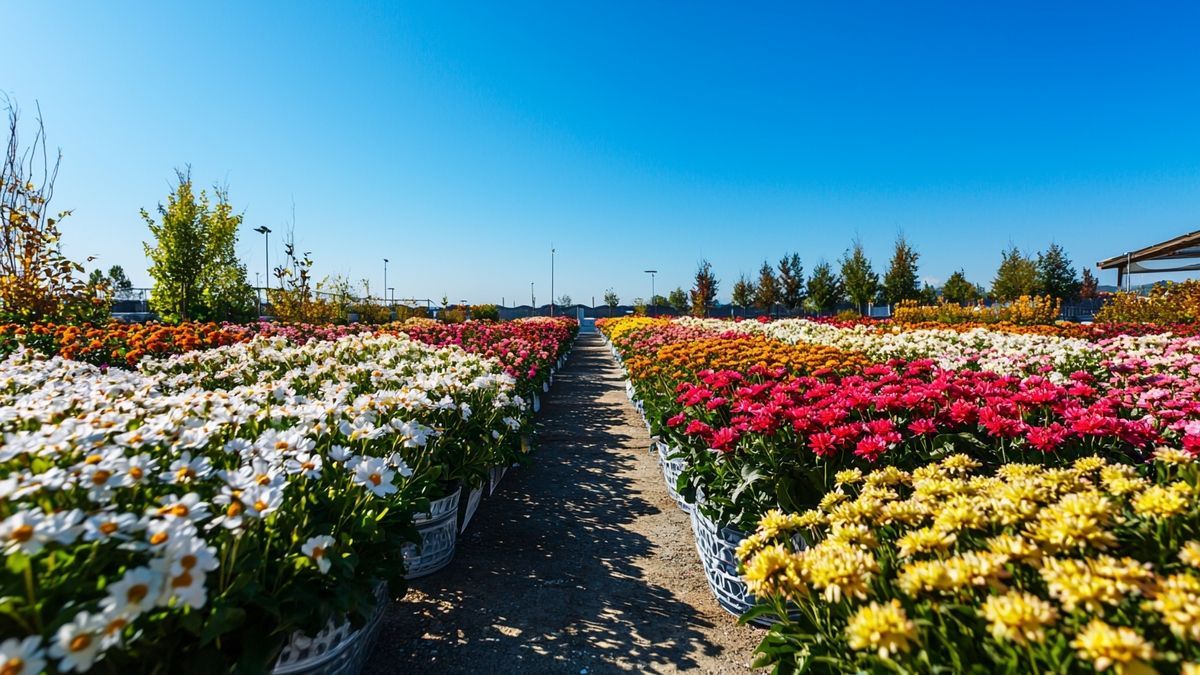
As spring arrives, many gardeners are eager to plant their favorite flowers, but late spring frosts can pose a significant threat to tender plants. Understanding which flowers are at risk and how to protect them is crucial for maintaining a vibrant garden throughout the season.
Understanding late spring frosts
Late spring frosts occur when temperatures drop below freezing, causing ice crystals to form on plant surfaces. This can happen even if the air temperature doesn’t reach the freezing point, typically around 32°F (0°C), and is often associated with clear skies and calm conditions that allow the ground to cool rapidly. Frost can damage or kill sensitive plant tissues, leading to brown, mushy parts and potentially killing the plant if the damage is severe.
Impact on plants
Plants that are most susceptible to frost damage include tender annuals like petunias, impatiens, tomatoes, and peppers. These plants thrive in warm weather and are often planted after the last frost date to avoid damage. However, if a late frost occurs, these plants can suffer significant damage or die. Even cold-hardy annuals, such as pansies and snapdragons, may benefit from protection if they are newly planted or exposed to extreme cold snaps.
Identifying at-risk flowers
Several types of flowers are particularly vulnerable to late spring frosts:
- Tender Annuals: These include flowers like marigolds, zinnias, and sunflowers. They are sensitive to frost and should be planted after the last frost date in your area.
- Cold-Hardy Annuals: While more resilient, newly planted cold-hardy annuals like pansies and snapdragons can still benefit from protection during extreme cold snaps.
- Perennials: Some perennials, especially those that have begun to grow new foliage or flowers early in the season, may also be at risk if they are not fully hardened off.
Protecting flowers from frost
Protecting flowers from frost involves several strategies:
Covering plants
Using materials like frost blankets, thermal blankets, or burlap can provide insulation and protect plants from frost damage. These covers should be applied at night when temperatures are expected to drop and removed during the day to allow sunlight and air circulation.
Mulching
Mulching around plants helps maintain a consistent soil temperature, reducing the risk of frost damage to roots. It also retains moisture and suppresses weeds, which can compete with your flowers for water and nutrients.
Moving plants
If possible, move potted plants to a sheltered location, such as against a wall or under a covered area, to reduce exposure to cold winds and frost.
Managing false springs
A false spring, where warm weather prompts early growth, can leave plants vulnerable to late frosts. If your plants have begun to bloom too early, consider covering them with frost protection materials or using mulch to insulate the soil.
Pruning damaged plants
If frost does occur, carefully prune any damaged parts of the plant to prevent disease and encourage new growth. This helps maintain plant health and appearance.
Climate change and frost risks
Climate change is altering weather patterns, leading to more unpredictable and extreme weather events, including late frosts. This unpredictability makes it crucial for gardeners to stay informed about local weather forecasts and be prepared to protect their plants.
Impact on ecosystems
Extreme weather events can disrupt the delicate timing of biological processes, such as the synchronization between plant flowering and pollinator activity. This can have cascading effects on ecosystems, impacting both plant and animal populations.
Preparing for frost risks in 2025
Given the potential for severe frosts in 2025, especially in regions like Chile where La Niña conditions may persist, farmers and gardeners should be proactive in their frost protection strategies. This includes:
- Monitoring weather forecasts closely to anticipate frost events.
- Implementing frost protection technologies, such as micro-sprinkling systems, which can be effective in protecting crops without wasting water.
- Adjusting planting schedules to avoid critical growth stages during periods of high frost risk.
By understanding which flowers are at risk and taking proactive steps to protect them, gardeners can ensure a vibrant and healthy garden throughout the spring season.

Allan is a lifelong gardening enthusiast who still gets excited when the first seedlings pop up in spring. With a deep love for nature and a hands-in-the-soil approach, he shares practical tips, plant discoveries, and clever tricks picked up over years of digging, planting, and observing. Whether you’re a new gardener or have a shed full of tools, Allan writes like a neighbor who’s always happy to swap cuttings and stories over the fence.
You can find more about Allan’s work on Malt or connect with him on LinkedIn.


