

June offers ideal conditions for gardens in temperate regions, with soil temperatures rising and frost risks diminishing. This period is particularly favorable for heat-tolerant vegetables and drought-resistant plants that thrive in warmer conditions.
Vegetables thriving in heat
Okra, basil, eggplants, and peppers are prime candidates for June planting in warm climates. These crops require minimal frost protection and benefit from prolonged growing seasons. Okra, for instance, can be direct-seeded in well-draining soil, while basil and peppers should be started as seedlings to ensure rapid establishment.
Flowers to enhance biodiversity
Lavender and fanflowers add aesthetic value while attracting pollinators. These flowers improve soil health and create a balanced ecosystem, supporting vegetable growth through natural pest control.
[smartquiz]
Root vegetables for summer harvest
Early varieties of potatoes can still be planted in June, provided they’re chitted beforehand. While later than traditional spring planting, these tubers mature quickly and avoid early-season frost risks.
Cooler climate options
Gardeners in regions with moderate temperatures can focus on successional sowing and shade-tolerant crops.
Leafy greens for summer
Romaine lettuce, arugula, and mustard greens tolerate warmer conditions better than traditional lettuce varieties. These can be sown directly in shaded areas to prevent bolting.
Quick-turnaround vegetables
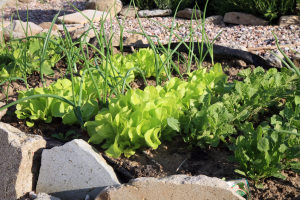
Radishes, lettuce, and beetroot mature in 4–6 weeks, making them ideal for staggered planting. Radishes act as a trap crop, repelling pests that target slower-growing vegetables.
Herbs for year-round use
June is optimal for establishing perennial herbs that provide long-term yields.
Annual vs. perennial herbs
Basil and parsley are annuals requiring annual replanting, while chives, oregano, and thyme are perennials that regrow yearly. Perennial herbs should be planted as established seedlings to accelerate production.
Optimizing herb yields
Regular harvesting encourages bushy growth in herbs like mint and lemon balm. Prune back leggy stems and dry excess foliage for winter storage.
Quick-growing vegetables
These crops deliver rapid results, ideal for filling gaps in established beds.
Radishes and lettuce
Sow radishes every 10 days for continuous harvests, and lettuce every 4 weeks. Thin seedlings to 2–3 inches apart to prevent overcrowding.
Peas and beans
Peas can still be planted in June if soil is enriched with compost. Runner beans and courgettes thrive in warmer conditions, producing pods and fruits by late summer.
Fruits to consider
While many fruits require longer growing seasons, some varieties excel in June planting.
Patio tomatoes
Compact dwarf tomato varieties suit containers and small spaces. Use self-watering pots to maintain consistent moisture.
Cucumbers and squash
Cucumbers and zucchini can be direct-seeded in warm soil, providing high yields through summer. Train vines on trellises to maximize space.
Succession sowing strategies
Staggered planting ensures continuous harvests and efficient space use.
Lettuce and radish rotations
Alternate rows of lettuce and radishes to break pest life cycles. Harvest radishes before they compete with neighboring crops.
Beetroot and carrot succession
Sow beetroot every 2 weeks and dwarf carrots in containers for rapid turnover. Thin carrot seedlings to 1 inch apart for optimal growth.
Container gardening tips
Small-space gardeners can maximize yields with strategic container choices.
Compact vegetable varieties
Patio tomatoes, dwarf carrots, and leaf lettuce thrive in deep containers. Use a 6–8 inch pot depth for root vegetables.
Soil management
Replace container soil annually to prevent nutrient depletion. Mix in compost or worm castings to maintain fertility.
Soil preparation and care
Proper soil conditioning is critical for June plantings.
Chitting potatoes
Allow seed potatoes to sprout (chit) indoors for 2–4 weeks before planting. This accelerates growth in cooler climates.
Compost integration
Dig in well-rotted manure or compost before sowing peas or beans. This improves soil structure and nutrient availability.
June planting offers diverse opportunities for gardeners across climates. Prioritize heat-tolerant vegetables in warm regions, successional greens in moderate zones, and container crops in limited spaces. By leveraging quick-growing varieties and strategic succession sowing, even late starters can achieve bountiful harvests.

Allan is a lifelong gardening enthusiast who still gets excited when the first seedlings pop up in spring. With a deep love for nature and a hands-in-the-soil approach, he shares practical tips, plant discoveries, and clever tricks picked up over years of digging, planting, and observing. Whether you’re a new gardener or have a shed full of tools, Allan writes like a neighbor who’s always happy to swap cuttings and stories over the fence.
You can find more about Allan’s work on Malt or connect with him on LinkedIn.


