

Black-eyed Susans (Rudbeckia hirta) are iconic for their bright yellow petals and striking black centers, creating a contrast that evokes curiosity. These drought-tolerant perennials thrive in full sun and bloom from mid-summer to fall, attracting pollinators like bees and butterflies.
Why their black centers add intrigue
The dark, button-like centers act as a focal point, drawing the eye toward the flower’s core. This contrast between light and dark makes them stand out in meadows or cottage gardens. Varieties like ‘Autumn Colors’ and ‘Prairie Sun’ expand their appeal with multi-tonal blooms, blending yellows, oranges, and reds.
Care tips for thriving black-eyed susans
Plant them in well-draining soil and full sun (6+ hours daily). Deadheading encourages prolonged blooming, while dividing every 3–4 years prevents overcrowding. They’re deer-resistant and suitable for USDA Zones 3–9.
Popular varieties for different garden styles
- ‘Toto Gold’: Compact, container-friendly option with classic yellow-black blooms.
- ‘Goldsturmm’: A perennial favorite for late-summer gardens, known for longevity.

Vinca minor periwinkle vine: purple blooms in shade
Vinca minor, or periwinkle, offers rich purple flowers from late spring to fall, thriving in shaded areas where other plants struggle. Its evergreen foliage and spreading habit make it ideal for ground cover or hanging baskets.
How this vine transforms shaded areas
Its ability to tolerate partial to full shade allows gardeners to add color to otherwise neglected spots. The glossy leaves provide year-round interest, while the trumpet-shaped flowers attract pollinators.
Maintenance tips for optimal growth
Plant in moist, fertile soil with moderate drainage. Trim back after flowering to control spread. Avoid overwatering, as it can lead to root rot. Suitable for USDA Zones 4–8.
‘Chocolate chip’ bugleweed: dark foliage and violet flowers
This low-growing ground cover features deep green and brown foliage with spiky violet blooms in spring. Its dense growth suppresses weeds, making it a practical choice for challenging garden areas.
The dual appeal of foliage and blooms
The foliage’s chocolate-brown undertones add depth to borders, while the flowers provide a burst of color. It’s particularly effective in suppressing weeds in sparse, shaded zones.
Weed suppression benefits
Its rapid spread and dense matting ability outcompete invasive plants. However, it requires monitoring to prevent it from overtaking desired species.
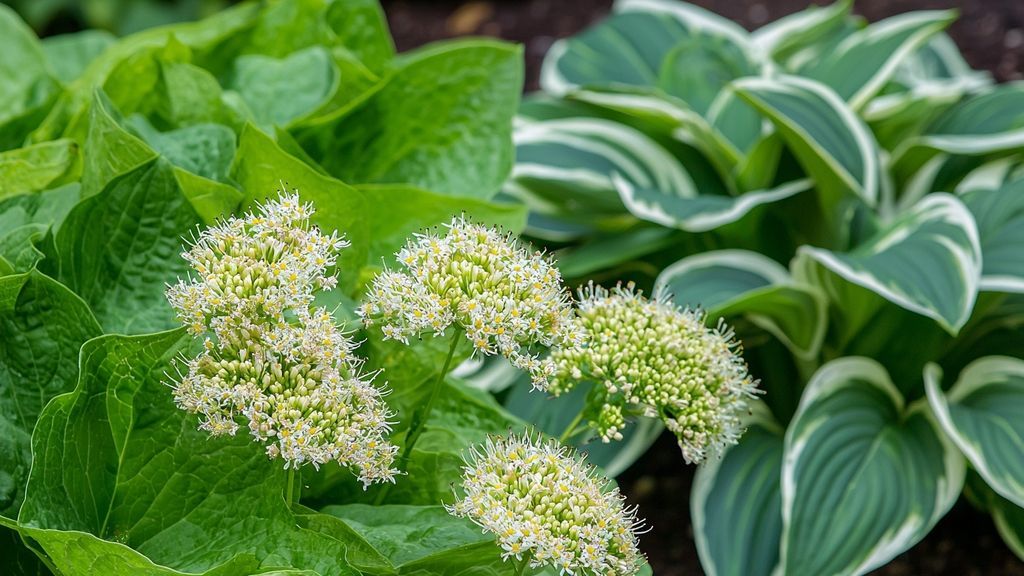
‘Chantilly lace’ goatsbeard: vertical drama in small spaces
‘Chantilly Lace’ goatsbeard (Astilbe), also known as Aruncus, grows vertically with feathery cream blooms. Its deer-resistant nature and compact size make it ideal for small gardens or woodland settings.
Space-saving design advantages
Reaching 3–4 feet tall, it adds height without spreading. The soft, lace-like flowers create a romantic texture, contrasting with bold foliage plants like hostas.
Deer resistance and hardiness
Thriving in USDA Zones 3–7, it tolerates partial shade and moist soil. Avoid full sun, as it may cause leaf scorch.
Cherry heuchera: fiery foliage for year-round interest
Cherry heuchera boasts vibrant orange and red foliage that retains color even in shade. This perennial adds warmth to autumn gardens and survives mild winters, making it a low-maintenance choice.
Vibrant colors in shaded gardens
The maple-like leaves glow in partial shade, creating a striking backdrop for white or purple flowers. Pair with astilbe or ferns for a layered, dynamic look.
Winter hardiness and care
Plant in well-draining soil and protect from extreme cold. Divide every few years to maintain vigor. Suitable for USDA Zones 4–9.
Blue enchantress hydrangea: black stems and colorful blooms
The Blue Enchantress hydrangea (Hydrangea macrophylla) features striking ruby-black stems and large mophead flowers that shift between blue and pink based on soil pH. Its structural stems add winter interest.
Unique stem coloration
The dark stems provide a dramatic contrast to the blooms, creating a striking silhouette. In acidic soils, flowers turn blue; in alkaline soils, they shift to pink.
Soil pH impact on flower color
Test soil pH before planting. For blue blooms, maintain pH below 6.0; for pink, keep it above 7.0. Use aluminum sulfate or lime to adjust levels.
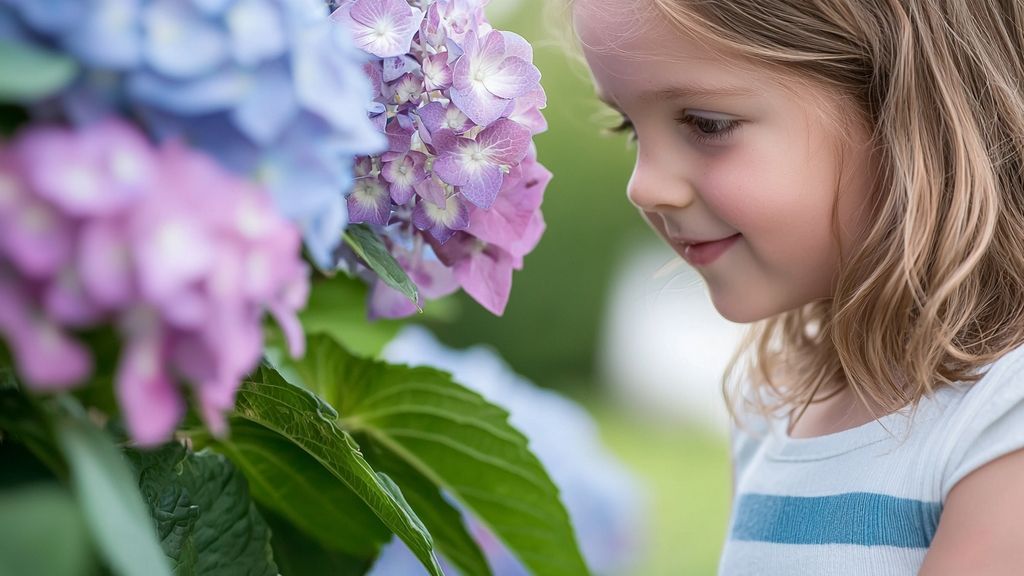
Hydrangea varieties: adding drama with large blooms
While not strictly black-flowered, hydrangeas like ‘Bigleaf’ and ‘Panicle’ varieties offer oversized blooms that dominate garden spaces. Their versatility in color and form makes them a staple for dramatic displays.
Bigleaf vs. panicle types
- Bigleaf: Mophead or lacecap blooms, sensitive to soil pH.
- Panicle: Cone-shaped flowers, more adaptable to soil conditions.
Soil requirements and pruning
Plant in rich, moist soil. Prune Bigleaf hydrangeas immediately after blooming to avoid damaging next year’s buds. Panicle types can be pruned in late winter.
Lilac shrubs: fragrant purple clusters
Lilacs (Syringa) burst into fragrant purple blooms in spring, creating a sensory experience. Their dense clusters and intoxicating scent make them a nostalgic choice for hedges or borders.
Spring flowering spectacle
Bloom time varies by variety, with some flowering in early spring and others in late summer. Deadheading encourages repeat blooming in some types.
Pruning for health and blooms
Prune immediately after flowering to avoid cutting off next year’s buds. Remove dead or diseased branches to maintain airflow.
Azalea and rhododendron: evergreen drama
These evergreen shrubs explode with vibrant blooms in spring, offering year-round foliage interest.

Allan is a lifelong gardening enthusiast who still gets excited when the first seedlings pop up in spring. With a deep love for nature and a hands-in-the-soil approach, he shares practical tips, plant discoveries, and clever tricks picked up over years of digging, planting, and observing. Whether you’re a new gardener or have a shed full of tools, Allan writes like a neighbor who’s always happy to swap cuttings and stories over the fence.
You can find more about Allan’s work on Malt or connect with him on LinkedIn.


