19 plants to never direct sow, according to expert gardeners
As gardening season approaches, many enthusiasts are eager to optimize their planting strategies. While direct sowing is a common method for many crops, experts warn that certain plants thrive better when started indoors or transplanted. This article highlights 19 plants that gardeners should avoid direct sowing, based on insights from seasoned horticulturists and seed specialists.
Carrots
Carrots are among the most common root vegetables that struggle with direct sowing. Their taproots are highly sensitive to disturbance, and transplanting seedlings often leads to forked or deformed roots. Ellie Longfellow Bilodeau, a third-generation gardener, emphasizes that direct sowing ensures a higher number of plants and a more abundant harvest.
Radishes
Like carrots, radishes have delicate taproots that dislike being transplanted. Direct sowing is essential to avoid root shock, which can stunt growth or cause irregular shapes. Nicole Johnsey Burke, CEO of Gardenary Inc., notes that radishes mature quickly, making direct sowing the most efficient method.
Parsnips
Parsnips require fresh seeds and direct sowing to develop long, straight roots. Transplanting seedlings disrupts their taproots, leading to misshapen vegetables. Experts recommend sowing seeds in early spring when soil temperatures reach 50–55°F.
Beets
While not explicitly mentioned in the search results, beets share similarities with carrots and radishes. Their taproots are sensitive to disturbance, making direct sowing the preferred method.
Lima beans
Lima beans, along with green beans, pinto beans, and pole beans, are notoriously sensitive to root disturbance. Elizabeth Jones, a seed librarian, advises against transplanting these varieties, as their roots struggle to adapt to new environments. Direct sowing ensures robust growth and higher yields.
Green beans
Green beans and other bush varieties are best planted directly in the soil. Transplanting often leads to reduced productivity, as their roots are easily damaged during the process.
Pinto beans
Pinto beans, like lima beans, thrive when sown directly. Their roots develop more effectively in undisturbed soil, making them ideal for direct sowing.
Pole beans
Pole beans require deep root systems to support their climbing habit. Transplanting can weaken their roots, reducing their ability to grow vertically.
Leafy greens with fragile roots
Arugula
Arugula and other delicate leafy greens, such as loose-leaf lettuce, have shallow roots that struggle to recover from transplanting. Nicole Johnsey Burke recommends direct sowing to preserve their flavor and texture.
Lettuce varieties
Red and green leaf lettuce varieties benefit from direct sowing. Their roots are easily damaged, and transplanting often results in slower growth and reduced harvests.
Vegetables with sensitive taproots
Okra
Okra has a long taproot that is easily damaged during transplanting. While it can be started indoors, direct sowing is preferred to avoid root shock. Elizabeth Jones advises checking seedlings for root-bound conditions if purchasing transplants.
Cucumbers
Cucumbers are often direct-sown due to their large seeds and tough shells. However, compact varieties like ‘Spacemaster 80’ can be started indoors if frost is a concern.
Perennials and flowers better started indoors
Sunflowers
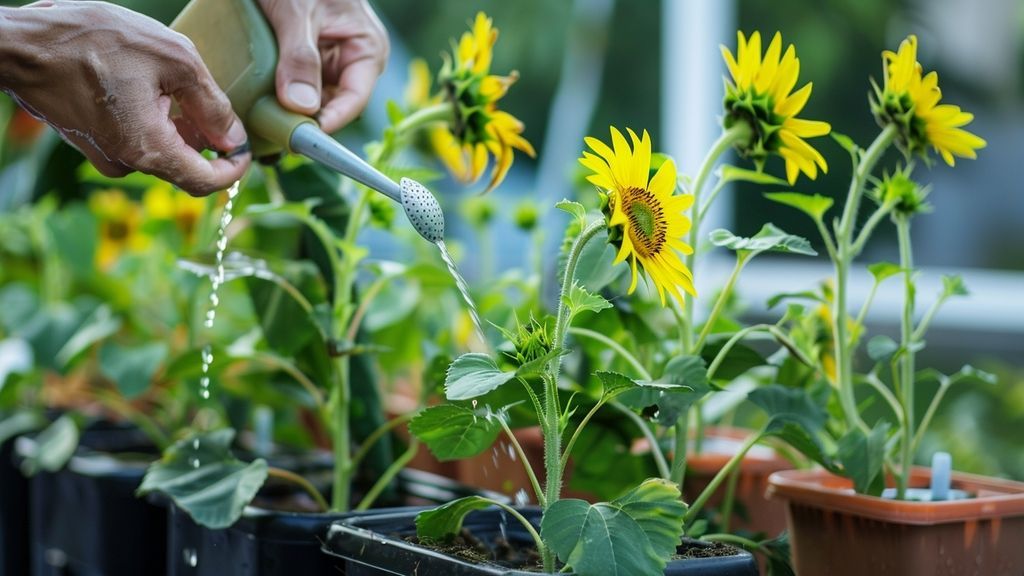
Perennial sunflowers, such as ‘Rouge Royale,’ should be direct-sown to avoid stunted growth. Transplanting delays maturity, as the plant must re-establish its root system.
Marigolds
French marigolds, like ‘Red Metamorph,’ are often direct-sown. However, starting them indoors allows for earlier blooms and better pest control in vegetable gardens.
Herbs and other plants requiring careful handling
Basil
Basil is frost-tender and benefits from indoor starting. Varieties like ‘Purple Petra’ thrive when transplanted after the last frost, ensuring a robust harvest.
Garlic chives
Garlic chives can be direct-sown or started indoors. Their pest-repellent properties make them ideal for interplanting, but transplanting requires careful handling to avoid root damage.
Additional considerations for direct sowing
Seed viability
Parsnips and other root crops require fresh seeds, as viability decreases rapidly. Old seeds may fail to germinate, wasting time and resources.
Soil preparation
Direct sowing demands well-prepared soil. Carrots and radishes need loose, rock-free soil to develop straight roots. Compacted soil can lead to deformed vegetables.
Successional planting
For crops like carrots and radishes, successional planting every few weeks ensures a continuous harvest. This method maximizes space and productivity.
While direct sowing is ideal for many plants, certain crops benefit from careful handling. By understanding which plants thrive when started indoors or transplanted, gardeners can optimize their yields and reduce waste. Always prioritize seed quality, soil preparation, and expert advice to achieve the best results.
Allan is a lifelong gardening enthusiast who still gets excited when the first seedlings pop up in spring. With a deep love for nature and a hands-in-the-soil approach, he shares practical tips, plant discoveries, and clever tricks picked up over years of digging, planting, and observing. Whether you’re a new gardener or have a shed full of tools, Allan writes like a neighbor who’s always happy to swap cuttings and stories over the fence.
You can find more about Allan’s work on Malt or connect with him on LinkedIn.