3 essential tips for roses that bloom all summer long
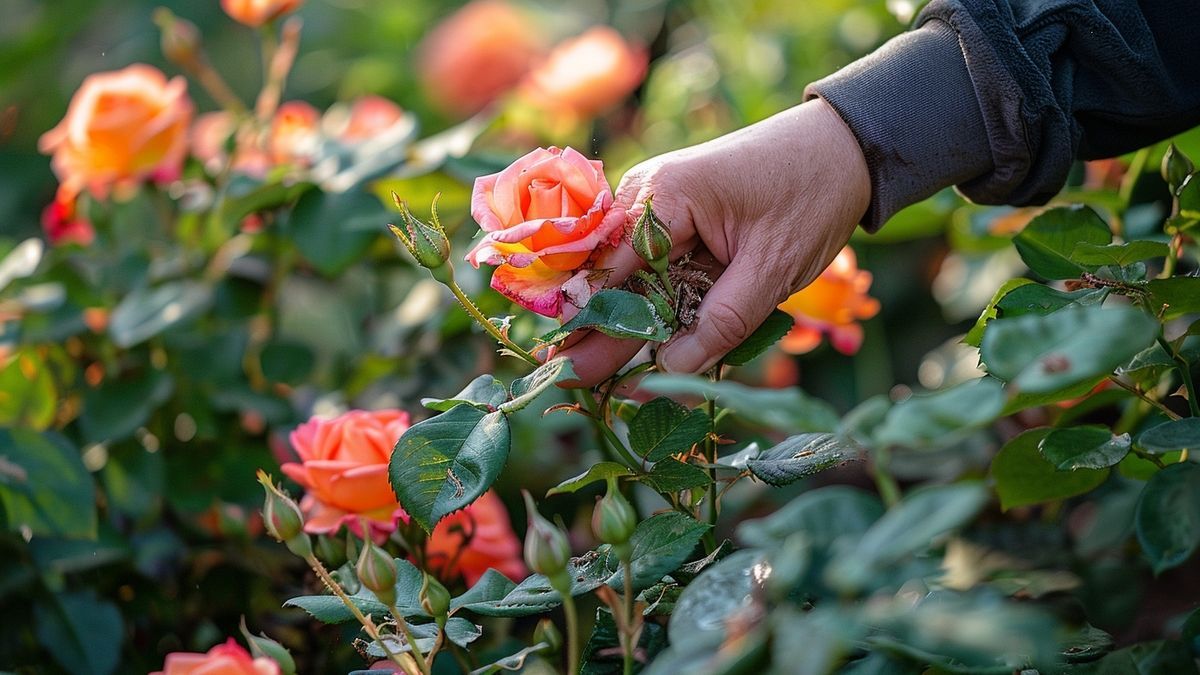
To ensure roses bloom continuously through summer, pruning is the first critical step. This process removes dead or diseased branches, promotes healthy growth, and directs energy toward flower production. Timing is essential: spring pruning aligns with the plant’s active growing phase, allowing new growth to develop before summer heat.
Timing your pruning for optimal results
Prune roses in early spring when temperatures rise and daylight increases. This period triggers new growth, which is vital for summer blooms. For once-blooming varieties like American Pillar or La Ville de Bruxelles, wait until after their single flowering cycle to prune, as cutting earlier reduces blooms.
Techniques for effective pruning
Remove deadwood: Cut back diseased or damaged branches to the base, using sterilized tools to prevent infection.
Shape the plant: Trim inward-facing branches to improve airflow and sunlight penetration, reducing fungal risks.
Cut above outward-facing buds: Make sloping cuts just above buds to direct growth outward and prevent water accumulation.
Proper fertilization provides roses with the energy to produce abundant flowers. The right nutrients support foliage health and flower development, especially during summer’s high growth demands.
Choosing the right fertilizer
Opt for slow-release fertilizers or liquid feeds applied per package instructions. These deliver steady nutrients without overloading the soil. Organic alternatives like compost or manure also enrich soil structure and microbial activity, promoting robust root systems.
Seasonal feeding adjustments
Spring: Apply balanced fertilizers (e.g., 10-10-10 NPK) to support new growth and bud formation.
Summer: Continue with liquid feeds every 2-3 weeks to sustain flowering.
Autumn: Reduce fertilizers to harden plants for winter, focusing on potassium-rich formulas.
Hydration practices for consistent blooms
Watering is the cornerstone of summer rose care. Proper hydration ensures roots absorb nutrients efficiently, while overwatering risks root rot and fungal diseases.
Deep watering techniques
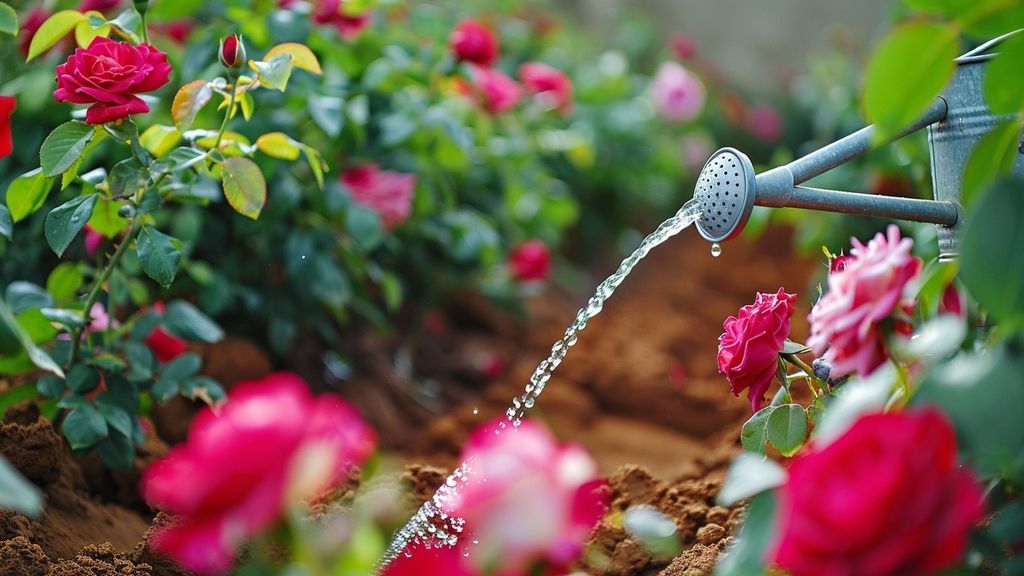
Water roses deeply once or twice weekly, depending on soil moisture. Aim to moisten the top 12-18 inches of soil, encouraging deep root development. Morning watering minimizes evaporation and reduces fungal spore spread.
Monitoring soil conditions
Check soil moisture by inserting a finger into the soil up to the knuckle. Water only when the top 2-3 inches feel dry. Mulch around the base retains moisture and regulates soil temperature, reducing stress during heatwaves.
Avoiding common watering mistakes
Overwatering: Leads to root rot and weakens plants.
Shallow watering: Encourages surface roots, making plants vulnerable to drought.
While summer demands specific attention, seasonal adjustments ensure roses thrive beyond the growing season.
Winter preparation
Prune back canes to protect from cold damage, and apply thick mulch layers to insulate roots. Remove mulch in spring to allow soil warming.
Spring renewal
Remove winter mulch, apply fresh compost, and start regular watering. Deadhead spent blooms to redirect energy to new flowers.
Autumn maintenance
Trim long canes to 3-4 feet, reducing wind damage. Stop fertilizing 6-8 weeks before frost to harden plants.
Combining roses for dynamic displays
A mixed rose garden maximizes visual impact and extends blooming periods. Pair once-blooming varieties with repeat bloomers to create layered flowering cycles.
Designing a balanced layout
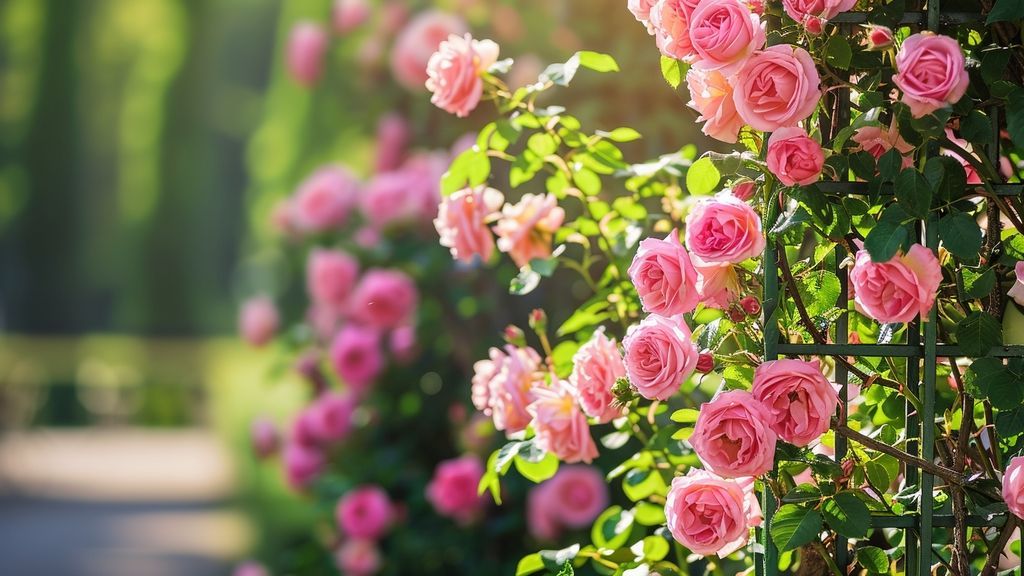
Climbing roses: Train on trellises or arbors for vertical interest.
Hybrid teas: Place in focal points for bold, showy blooms.
Groundcover roses: Use as border fillers for low-maintenance coverage.
Color coordination
Select roses in complementary hues (e.g., soft pinks with deep purples) to create harmonious palettes. Pastel tones blend softly, while bold colors add vibrancy.
Addressing common challenges
Even with optimal care, roses face pests, diseases, and environmental stressors. Proactive management prevents issues from escalating.
Managing pests
Aphids: Spray with neem oil or insecticidal soap.
Japanese beetles: Hand-pick or use pyrethrin sprays.
Black spot: Remove infected leaves and treat with copper-based fungicides.
Adapting to extreme weather
Heatwaves: Increase watering frequency and apply reflective mulch.
Droughts: Prioritize deep watering over frequent shallow applications.
Floods: Improve drainage with raised beds or sand amendments.
Achieving summer-long rose blooms requires pruning precision, nutrient-rich feeding, and strategic hydration. By tailoring care to seasonal needs and combining rose varieties, gardeners create resilient, vibrant displays. Regular monitoring and proactive pest management ensure plants thrive despite challenges, delivering months of beauty and fragrance.
Allan is a lifelong gardening enthusiast who still gets excited when the first seedlings pop up in spring. With a deep love for nature and a hands-in-the-soil approach, he shares practical tips, plant discoveries, and clever tricks picked up over years of digging, planting, and observing. Whether you’re a new gardener or have a shed full of tools, Allan writes like a neighbor who’s always happy to swap cuttings and stories over the fence.
You can find more about Allan’s work on Malt or connect with him on LinkedIn.