
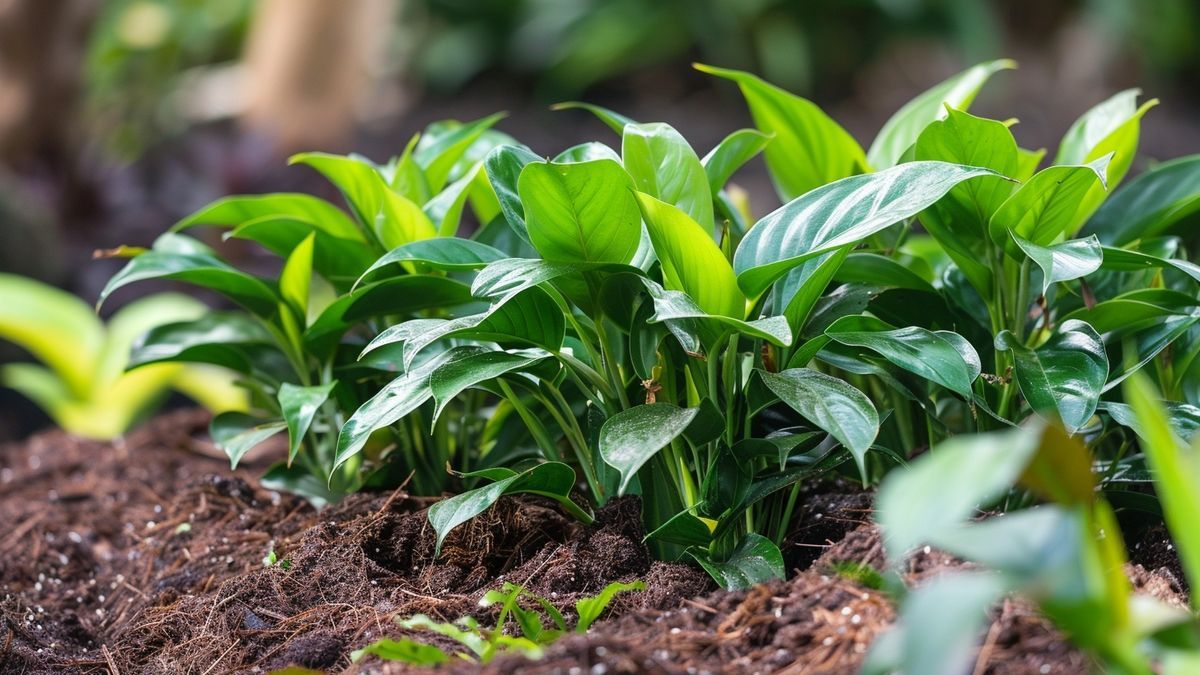
Pour this natural item to keep your beds weed-free this spring
As spring arrives, gardeners face a familiar challenge: preventing weeds from overtaking flower beds, vegetable gardens, and lawns. While chemical herbicides offer quick fixes, they often harm beneficial plants and soil ecosystems. A simpler, safer solution lies in mulch—a natural barrier that suppresses weeds while enriching soil. By applying mulch strategically, gardeners can create a weed-resistant landscape that thrives without synthetic chemicals.
Mulch acts as a physical and biological shield against weeds. A thick layer blocks sunlight, preventing weed seeds from germinating, while retaining moisture and improving soil structure. This dual action makes it one of the most effective natural weed-control methods available.
How Mulch Blocks Weed Growth
Weeds require light to photosynthesize and grow. A 2- to 4-inch layer of organic mulch (such as wood chips, bark, or shredded leaves) creates a light-impenetrable barrier, starving weeds of the energy they need to survive. Additionally, mulch retains soil moisture, reducing the need for frequent watering and minimizing soil disturbance that triggers dormant weed seeds.
Choosing the Right Mulch for Your Garden
Not all mulches are created equal. Organic options like straw, pine bark, or composted leaves break down over time, enriching soil with nutrients. Inorganic options such as gravel or plastic sheeting provide longer-lasting weed suppression but lack soil benefits. For garden beds, organic mulch is ideal, while pathways may benefit from inorganic materials.
Timing and Application Techniques
Apply mulch in early spring, before weeds germinate, to maximize effectiveness. Spread it evenly, ensuring coverage is consistent. Replenish mulch annually, as it degrades, to maintain a weed-resistant layer. Avoid piling mulch against plant stems, as this can cause rot.
Supplementary Natural Methods to Enhance Weed Control
While mulch is the cornerstone of weed prevention, combining it with other strategies ensures long-term success.
Hand-Weeding for Early Intervention
Removing weeds manually is most effective when they’re young. Pull them after rainfall, when soil is moist, to extract entire root systems. Use tools like trowels or weeding forks for efficiency.
Vinegar and Boiling Water for Targeted Treatment
For stubborn weeds in cracks or pathways, boiling water or household vinegar (5% acetic acid) can be applied directly. These methods damage cellular structures, killing weeds without harming surrounding plants if used carefully.
Soil Health Strategies to Outcompete Weeds
Healthy soil fosters strong plants that crowd out weeds. Add compost or humic acid to improve soil structure and fertility. Conduct pH tests to ensure optimal growing conditions for desired plants.
Lawn Care Practices to Prevent Weed Infestations

A well-maintained lawn is a natural weed deterrent.
Mowing and Watering Techniques
Mow grass at the recommended height (typically 3 inches) to promote thick growth. Water deeply but infrequently to encourage deep root development, making grass more resilient to weed competition.
Aeration and Fertilization
Aerate soil annually to improve airflow and drainage. Use organic fertilizers like composted manure (ensuring it’s weed-seed-free) to boost grass health without introducing new weeds.
Long-Term Maintenance for a Weed-Free Landscape
Sustaining a weed-resistant garden requires ongoing effort.
Monitoring and Replenishing Mulch
Check mulch layers monthly, replenishing as needed. Combine with hand-weeding to address any breakthrough weeds promptly.
Integrating Multiple Strategies for Sustainability
Combine mulch with soil amendments, proper watering, and dense plant spacing to create an ecosystem where weeds struggle to survive. This holistic approach reduces reliance on chemicals and supports biodiversity.
By prioritizing mulch and integrating complementary methods, gardeners can enjoy lush, weed-free beds this spring. Whether using organic mulch, targeted vinegar treatments, or soil-enhancing practices, these natural strategies offer a sustainable path to a thriving landscape.

Allan is a lifelong gardening enthusiast who still gets excited when the first seedlings pop up in spring. With a deep love for nature and a hands-in-the-soil approach, he shares practical tips, plant discoveries, and clever tricks picked up over years of digging, planting, and observing. Whether you’re a new gardener or have a shed full of tools, Allan writes like a neighbor who’s always happy to swap cuttings and stories over the fence.
You can find more about Allan’s work on Malt or connect with him on LinkedIn.


