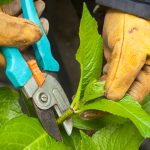
3 plants to prune now for a summer packed with flowers
As winter fades, gardeners turn their attention to spring pruning—a critical step to ensure vibrant blooms in the coming months. Timing is everything: pruning too early or late can damage plants or reduce flowering potential. Below, we highlight three key plants that benefit from spring pruning, along with expert techniques to maximize their summer performance.
Panicle hydrangea: a summer bloomer that thrives on spring pruning
Why spring pruning matters
Panicle hydrangeas (Hydrangea paniculata) produce flowers on new wood, making spring the ideal time to prune. This allows the plant to redirect energy into fresh growth, resulting in larger, more abundant blooms later in the season.
Step-by-step pruning guide
Remove dead or damaged wood: Cut back any branches that show winter damage or disease.
Shape the plant: Trim crossing or leggy stems to maintain a balanced structure.
Reduce size: For mature plants, cut back the oldest stems (those with rougher bark) to 12 inches above ground level. This encourages new growth and prevents overcrowding.
Encourage branching: Cut back last year’s growth to a pair of strong buds, leaving about one-third to half the stem’s height. This promotes robust branching and fuller blooms.
Key care tips:
Sunlight: Full sun to partial shade.
Soil: Well-drained, slightly acidic soil.
Watering: Regular moisture, but avoid overwatering.
Black-eyed Susan: pruning for seed retention and summer blooms
Why spring pruning matters
Black-eyed Susans (Rudbeckia spp.) retain their seed heads through winter, providing food for birds and insulation for the root crown. Pruning in spring ensures new growth isn’t hindered by dead foliage while preserving these benefits.
Step-by-step pruning guide
Delay until spring: Wait until new green basal leaves emerge to avoid damaging tender shoots.
Cut to ground level: Remove dead stems and foliage, leaving the crown intact.
Avoid over-pruning: Only remove what’s necessary to maintain airflow and access to sunlight.
Key care tips:
Sunlight: Full sun.
Soil: Dry to moderately moist, well-drained soil.
Pest management: Monitor for aphids and powdery mildew.
Blue mist shrub: late-season blooms through strategic pruning
Why spring pruning matters
Blue mist shrubs (Caryopteris spp.) bloom in late summer and fall, making spring the optimal time to prune. This allows the plant to focus energy on new growth that will support its vibrant violet-blue flowers.
Step-by-step pruning guide
Cut back hard: Prune the shrub to 12 inches tall, removing all dead wood.
Shape for density: Trim back leggy stems to encourage a bushier habit.
Remove weak growth: Eliminate spindly branches to direct resources to healthier stems.
Key care tips:
Sunlight: Full sun.
Soil: Moist but well-drained soil.
Pest resistance: Naturally deer- and rabbit-resistant.
Common mistakes to avoid
Pruning too aggressively
Removing more than one-third of a plant’s growth can shock it, reducing flowering potential. Always prioritize selective cuts over drastic reductions.
Pruning at the wrong time
For plants that bloom on old wood (e.g., lilacs), spring pruning would remove buds. Confirm a plant’s growth habit before cutting.
Using dull tools
Blunt pruners tear bark, increasing disease risk. Invest in sharp, clean shears for clean cuts.
Spring pruning is a strategic investment in your garden’s future. By targeting panicle hydrangeas, black-eyed Susans, and blue mist shrubs now, you’ll create a foundation for a summer filled with color and vitality. Remember to tailor your approach to each plant’s needs, and prioritize precision over haste. With careful timing and technique, your garden will reward you with a season of uninterrupted blooms.
Allan is a lifelong gardening enthusiast who still gets excited when the first seedlings pop up in spring. With a deep love for nature and a hands-in-the-soil approach, he shares practical tips, plant discoveries, and clever tricks picked up over years of digging, planting, and observing. Whether you’re a new gardener or have a shed full of tools, Allan writes like a neighbor who’s always happy to swap cuttings and stories over the fence.
You can find more about Allan’s work on Malt or connect with him on LinkedIn.