

Hardening off is the process of gradually exposing seedlings to outdoor conditions to prevent shock. Many gardeners skip this step, assuming seedlings can adapt immediately to sunlight, wind, and temperature fluctuations.
What is hardening off?
Hardening off involves moving seedlings from indoor or greenhouse environments to outdoor conditions over 7–10 days. Start by placing trays in shaded areas, then gradually increase exposure to direct sunlight and wind.
Consequences of skipping hardening off
Seedlings not hardened off often experience transplant shock, leading to stunted growth, yellowing leaves, or even plant death. This stress weakens the plant’s ability to produce fruit later in the season.
Incorrect watering practices
Water management is critical for tomato plants, as both under- and overwatering can disrupt fruit development.
Inconsistent watering and blossom end rot
Tomatoes need consistent moisture to absorb calcium, a nutrient essential for fruit development. Drought conditions cause calcium deficiencies, leading to blossom end rot—a black, sunken spot on the fruit’s bottom.
Overwatering at the end of the season
Excessive watering in late summer dilutes sugars in the fruit, resulting in bland, mushy tomatoes. Mature plants require deep, infrequent watering to concentrate flavors.
Poor soil preparation and fertilization
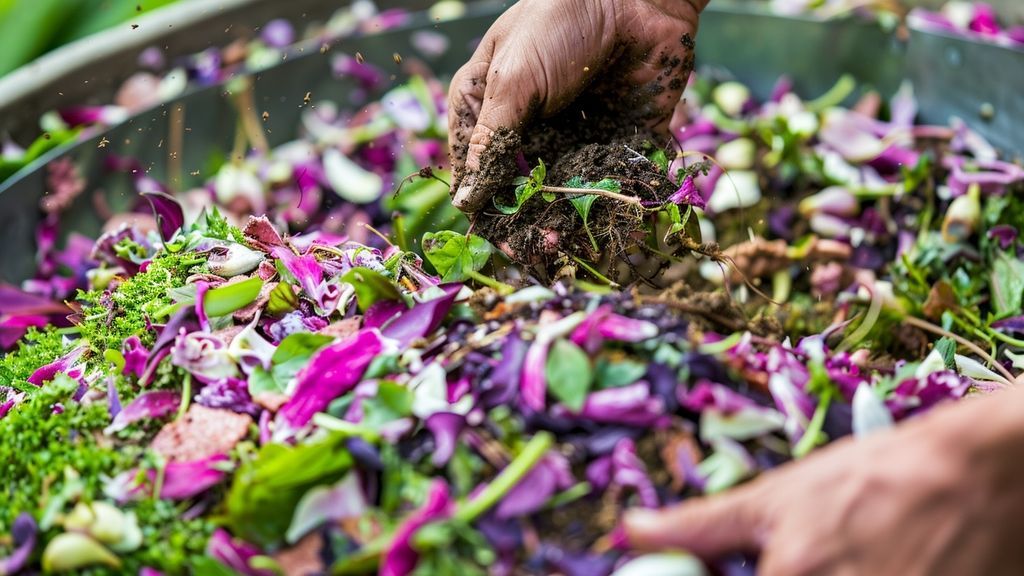
Tomatoes are heavy feeders that deplete soil nutrients quickly. Without proper soil preparation and fertilization, plants struggle to produce fruit.
Importance of compost and organic fertilizers
Well-aged compost enriches soil with organic matter, improving drainage and nutrient retention. Fish emulsion, a low-nitrogen fertilizer, provides essential micronutrients without burning roots.
Fertilizing the wrong way
Avoid overfertilizing with high-nitrogen products, which promote leaf growth at the expense of fruit. Instead, use balanced fertilizers and side-dress with calcium-rich eggshells to prevent blossom end rot.
Leaving lower leaves on the plant
Retaining lower leaves after transplanting is a common mistake that invites disease.
Disease risks from lower leaves
Soil-borne pathogens like fungal spores and bacteria splash onto lower leaves during irrigation, causing infections that spread upward. These leaves also create humidity pockets, fostering disease growth.
Proper pruning techniques
Trim leaves below the first flower cluster to improve airflow and reduce disease risk. For deep-rooted transplants, prune lower branches a few days before planting to allow stem wounds to heal.
Planting too far apart

While tomatoes need space to grow, excessive spacing reduces yield and increases disease risk.
Impact on growth and yield
Overly spaced plants compete less for sunlight and nutrients, but this also reduces cross-pollination and airflow. Crowded plants, however, are more prone to fungal diseases.
Optimal spacing recommendations
Determinate varieties thrive in 18–24 inches of space, while indeterminate types require 3–4 feet. Use cage supports to maximize vertical space and maintain airflow.
Final considerations
Avoiding these mistakes requires attention to transplant timing, watering consistency, and soil health. By addressing these factors, gardeners can ensure robust growth, disease resistance, and a bountiful tomato harvest.

Allan is a lifelong gardening enthusiast who still gets excited when the first seedlings pop up in spring. With a deep love for nature and a hands-in-the-soil approach, he shares practical tips, plant discoveries, and clever tricks picked up over years of digging, planting, and observing. Whether you’re a new gardener or have a shed full of tools, Allan writes like a neighbor who’s always happy to swap cuttings and stories over the fence.
You can find more about Allan’s work on Malt or connect with him on LinkedIn.


