Gardening often requires patience, but modern gardeners increasingly seek instant gratification to brighten outdoor spaces quickly. Fast-growing flower seeds offer a solution, delivering vibrant blooms in weeks rather than months. These plants thrive in diverse conditions, making them ideal for beginners and experienced growers alike. With minimal maintenance, they provide pollinator support, pest deterrence, and aesthetic appeal to gardens, balconies, and containers.
Quick Blooms for Impatient Gardeners
Fast-growing flowers bridge the gap between sowing seeds and enjoying blooms, often maturing in 60 days or less. This rapid growth allows gardeners to refresh their spaces seasonally, experiment with new varieties, or fill gaps left by slower-growing perennials. For example, zinnias and nasturtiums germinate within days and flower in 6–8 weeks, offering bold colors like pink, orange, and yellow.
Low Maintenance and High Impact
These flowers excel in warm-season gardens and tolerate neglect, making them perfect for busy individuals. Many varieties, such as calendula and marigolds, require only well-drained soil and sunlight to thrive. Their resilience also makes them ideal for companion planting alongside vegetables, where they repel pests and attract beneficial insects.
Top Fast-Growing Flower Seeds for Instant Color
Zinnias: Vibrant Blooms in Weeks
Zinnias are low-maintenance annuals that burst into color within 6–8 weeks. Available in hot pink, orange, purple, and white, they grow 1–4 feet tall and act as trap crops to protect vegetables from pests. Their versatility allows them to thrive in borders, containers, or cut-flower arrangements.
Nasturtiums: Pest-Repelling Beauty
Nasturtiums combine edible flowers with natural pest control. Their bright orange and yellow blooms appear in 6–8 weeks and repel aphids, whiteflies, and other garden pests. Ideal for vegetable gardens, they also self-seed, ensuring recurring blooms with minimal effort.
Marigolds: Bright Blooms in 8 Weeks
Marigolds deliver vibrant yellows and oranges in just 8 weeks. These hardy annuals attract pollinators and thrive in poor soil, making them perfect for beginners. Deadheading encourages continuous flowering, while their compact growth suits containers and borders.
Snapdragons: Tall, Bold Displays
Snapdragons provide dramatic vertical color with blooms in 8–10 weeks. Their cone-shaped flowers come in red, yellow, pink, and purple and grow up to 3 feet tall. Deadheading extends their flowering period, while their stately presence enhances cottage gardens and cut arrangements.
Cornflowers: Hardy Spring Blooms
Cornflowers, or bachelor’s buttons, thrive in cool spring weather and bloom in 10 weeks. Their delicate blue petals attract pollinators and pair well with wildflowers. Sow seeds directly in soil, pressing them firmly for optimal germination.
Morning Glories: Climbing Color
Morning glories produce blue, purple, and pink blooms in 60–90 days. These vigorous vines grow up to 10 feet and thrive in warm climates. Nick seeds before sowing to improve germination, and train them on trellises for maximum impact.
Growing Tips for Maximum Impact
Optimal Sowing Times and Conditions
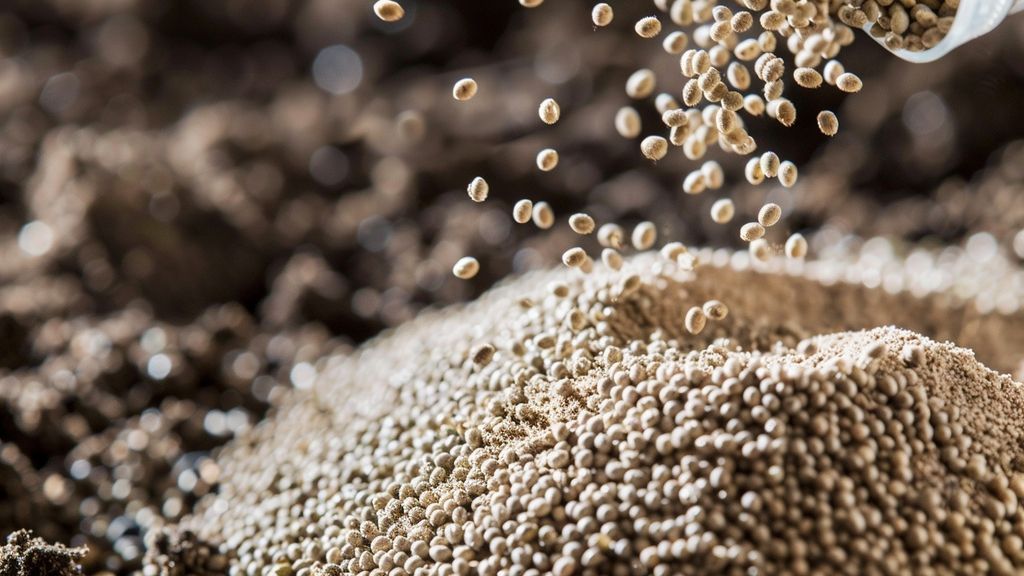
Fast-growing flowers typically prefer warm soil and full sun. Sow seeds directly after the last frost or start indoors 4–6 weeks earlier for a head start. For example, nasturtiums and zinnias germinate quickly in warm conditions, while snapdragons benefit from early indoor starts.
Companion Planting Strategies
Pair fast-growing flowers with vegetables to enhance biodiversity and pest control. Nasturtiums deter aphids and whiteflies, while marigolds repel nematodes. Zinnias attract beneficial insects, creating a balanced ecosystem in mixed beds.
Soil and Water Management
Most varieties thrive in well-drained soil with moderate watering. Avoid overwatering, which can lead to root rot. Calendula and cornflowers tolerate poor soil, making them ideal for challenging garden spots.
Creative Uses for Fast-Growing Flowers
Edible Blooms and Culinary Applications
Nasturtiums and calendula offer edible flowers rich in vitamins. Use nasturtium petals in salads or as garnishes, while calendula adds color to soups and teas. Their peppery flavor enhances dishes, providing a dual purpose for gardeners.
Seasonal Container Displays
Fast-growing flowers excel in containers, where they add color to balconies or patios. Marigolds and snapdragons thrive in pots with peat-free compost, while morning glories cascade over hanging baskets.
Natural Dye Sources
Some flowers, like nasturtiums and cornflowers, serve as natural dyes. Their petals can tint fabrics, paper, and other materials, offering a sustainable alternative to synthetic dyes.
Future Trends in Fast-Growing Flower Cultivation

Hybrid Varieties for Extended Blooms
Breeders are developing hybrid zinnias and sunflowers that bloom faster and last longer. Varieties like ProCut Red sunflowers mature in 60 days, offering earlier harvests for cut-flower enthusiasts.
Climate-Resilient Cultivars
As temperatures rise, drought-tolerant fast-growing flowers are gaining traction. Nasturtiums and marigolds already show resilience, but new breeds may adapt better to extreme weather.
Urban Gardening Applications
With more people gardening in small spaces, compact varieties of snapdragons and zinnias are becoming popular. These plants maximize vertical space and provide color in limited areas.
Fast-growing flower seeds empower gardeners to create dynamic, low-maintenance displays that evolve with the seasons. By leveraging their rapid growth, pest-repelling properties, and versatility, growers can transform outdoor spaces into vibrant oases. Whether for pollinator support, culinary use, or aesthetic appeal, these flowers offer endless possibilities for modern gardens.

Allan is a lifelong gardening enthusiast who still gets excited when the first seedlings pop up in spring. With a deep love for nature and a hands-in-the-soil approach, he shares practical tips, plant discoveries, and clever tricks picked up over years of digging, planting, and observing. Whether you’re a new gardener or have a shed full of tools, Allan writes like a neighbor who’s always happy to swap cuttings and stories over the fence.
You can find more about Allan’s work on Malt or connect with him on LinkedIn.