5 Shrubs you can forget about and they’ll still thrive all summer long
Summer gardening often feels like a high-maintenance endeavor, but certain shrubs defy this stereotype. These hardy plants thrive with minimal care, adapting to heat, drought, and neglect while still delivering vibrant blooms and lush foliage. Below, we explore five shrubs that excel in low-effort landscapes, perfect for busy gardeners or those new to gardening.
Summer gardens require plants that can withstand heat, drought, and inconsistent watering. The following shrubs are designed to thrive in challenging conditions, offering beauty without demanding constant attention.
Gardenias (Gardenia jasminoides) are prized for their glossy foliage and intoxicating white blooms, which unfurl in summer and fall. While they prefer moist, acidic soil and partial shade, they remain relatively low maintenance once established.
Care requirements and growth habits
Gardenias thrive in USDA zones 8–11, making them ideal for warm climates. They require moderate to high watering but tolerate some neglect once rooted. Fertilize lightly in spring and midsummer to encourage blooms, but avoid over-pruning—only trim dead stems or shape lightly.
Best uses in landscaping
Their compact size (5–6 feet tall) suits borders or containers. Pair them with ferns or azaleas for a layered, shade-friendly garden. Deer resistance adds value in wildlife-prone areas.
Mountain Laurel: Year-round interest with low effort
Mountain laurel (Kalmia latifolia) captivates with geometric pink, white, or red flowers and glossy, rhododendron-like leaves. Native to eastern North America, it thrives in zones 4a–9a, adapting to partial shade and acidic soils.
Soil and light preferences
This slow-growing shrub (5–15 feet tall) excels in moist, well-drained soil with a pH below 6.5. Once established, it survives with minimal watering, especially in rainy regions. Feed it once annually with acidic fertilizer for optimal blooms.
Deer resistance and flowering patterns
Deer-resistant and drought-tolerant, mountain laurel is ideal for woodland gardens. Its late-spring blooms attract pollinators, while its evergreen foliage provides winter structure. Prune sparingly to maintain shape.
Abelia: Drought-tolerant beauty for hot climates
Abelia shrubs, particularly the Kaleidoscope variety, are heat-lovers that dazzle with multicolored foliage and fragrant summer blooms. Their drought tolerance and adaptability make them perfect for sun-soaked gardens.
Heat tolerance and foliage changes
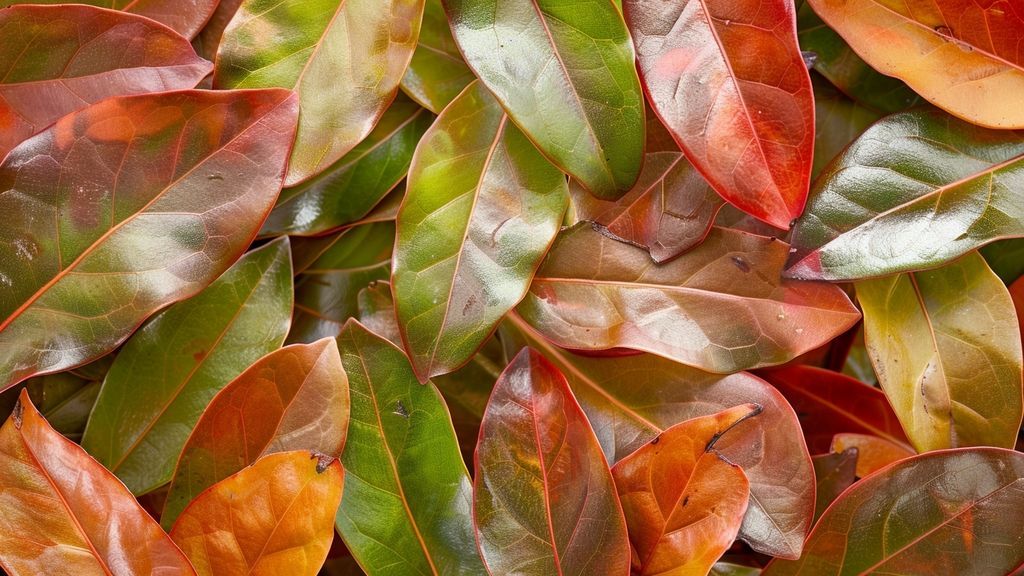
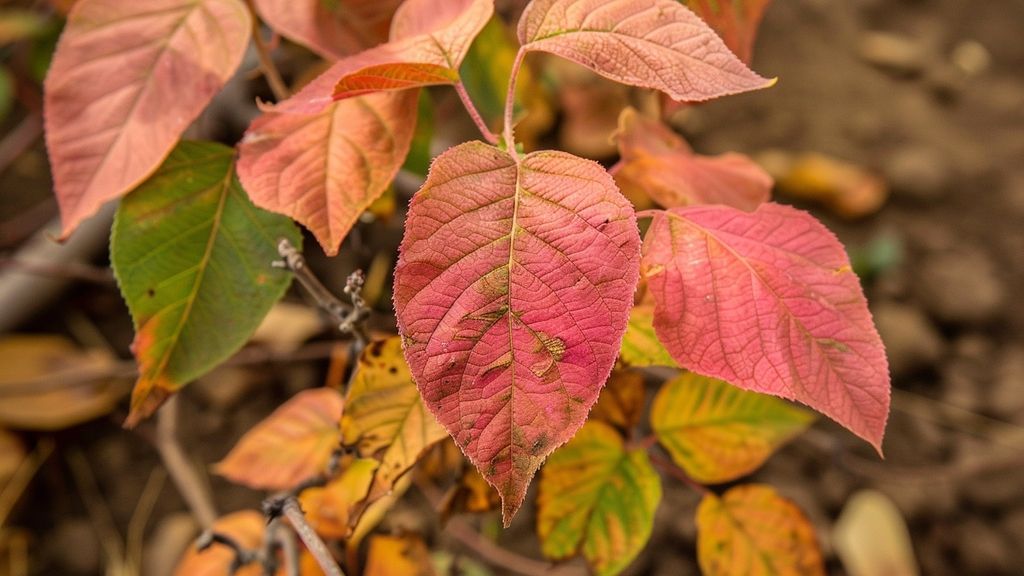
Kaleidoscope Abelia shifts from yellow-green spring hues to fiery reds and oranges in fall. Growing up to 3 feet tall, it thrives in full sun to partial shade and requires minimal watering once established. Its compact size suits containers or hedges.
Pollinator attraction and container versatility
Clusters of white flowers attract bees and butterflies, enhancing biodiversity. Abelia’s flexibility allows it to anchor borders or brighten patios. No deadheading is needed, as spent blooms drop naturally.
Rose of Sharon: Thriving on neglect
Rose of Sharon (Hibiscus syriacus) is a heat-tolerant shrub that blooms profusely in summer, producing large, showy flowers in shades of pink, purple, and white. It thrives in zones 5–9 and adapts to poor soil.
Water and soil adaptability
This shrub tolerates drought and clay soils, making it ideal for challenging sites. Water sparingly after planting, as overwatering can lead to root rot. It grows 8–12 feet tall, forming a dense screen or hedge.
Flowering varieties and growth habits
Late-summer blooms last weeks, attracting hummingbirds. Prune in early spring to control size, but no regular maintenance is required. Its upright growth suits urban gardens or coastal areas.
Hydrangea: Panicle varieties for easy care
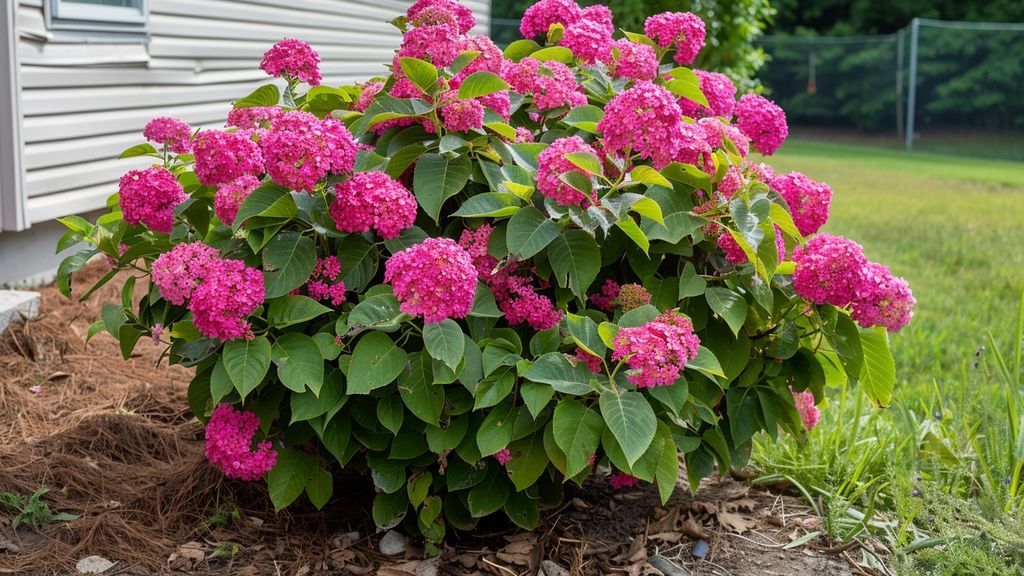
Panicle hydrangeas (Hydrangea paniculata) are low-fuss flowering shrubs that bloom from midsummer to fall. Unlike bigleaf hydrangeas, their blooms aren’t pH-dependent, simplifying care.
Pruning requirements and bloom periods
These shrubs require no deadheading and minimal pruning. Cut back stems in late winter to encourage new growth. Blooms start green, turning white or pink as they mature. They grow 6–8 feet tall, ideal for borders or specimen plants.
Soil and light flexibility
Panicle hydrangeas tolerate a range of soils and full sun to partial shade. Water regularly during their first year, then reduce watering as they mature. Their versatility makes them a staple in low-maintenance gardens.
Why these shrubs excel in summer
These plants share traits that make them summer survivors: drought tolerance, adaptability to poor soil, and minimal pruning needs. Gardenias and mountain laurel offer fragrant blooms, while abelia and rose of sharon provide vibrant foliage and pollinator-friendly flowers. Hydrangeas deliver long-lasting blooms with little effort.
For gardeners seeking beauty without burnout, these five shrubs deliver. Whether you prioritize blooms, foliage, or wildlife support, they adapt to neglect while enhancing your landscape. Plant them once, and let summer’s heat work in your favor.
Allan is a lifelong gardening enthusiast who still gets excited when the first seedlings pop up in spring. With a deep love for nature and a hands-in-the-soil approach, he shares practical tips, plant discoveries, and clever tricks picked up over years of digging, planting, and observing. Whether you’re a new gardener or have a shed full of tools, Allan writes like a neighbor who’s always happy to swap cuttings and stories over the fence.
You can find more about Allan’s work on Malt or connect with him on LinkedIn.