Avoid this lawn mistake now to enjoy green grass all year
Avoid this lawn mistake now to enjoy green grass all year
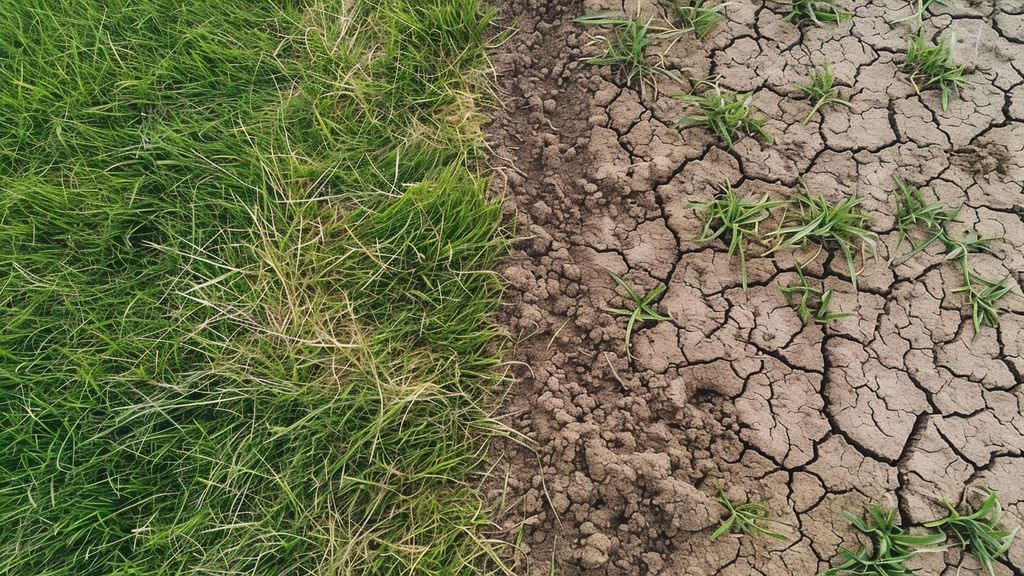
Maintaining a lush, green lawn requires careful attention to common pitfalls that can undermine even the best intentions. Among the most critical errors homeowners make is overwatering, a practice that may seem beneficial but often leads to weakened grass, root rot, and pest infestations. By addressing this mistake and adopting targeted strategies, homeowners can cultivate a resilient, vibrant lawn that thrives year-round.
Overwatering is a pervasive issue that disrupts grass health and soil structure. While occasional deep watering is essential, frequent shallow watering creates shallow root systems, leaving grass vulnerable to drought and disease.
Excess moisture saturates the soil, starving roots of oxygen and causing root rot. This weakens the grass’s ability to absorb nutrients, leading to yellowing blades and stunted growth. Pests and fungi thrive in damp conditions, further stressing the lawn.
Identifying signs of overwatering
Lawns suffering from overwatering often display spongy soil, mushrooms or moss, and slow drainage. If water pools on the surface or takes more than 12 hours to absorb, it’s a clear indicator of overwatering.
Best practices for lawn watering
Proper hydration balances grass needs with environmental conditions. Here’s how to optimize watering:
The one-inch rule
Aim to provide 1 inch of water weekly, combining rainfall and irrigation. Use a rain gauge or screwdriver to test soil moisture: if the blade penetrates easily, the lawn is hydrated; resistance signals dryness.
Adjusting for grass type
Cool-season grasses (like Kentucky bluegrass) require more frequent watering in summer, while warm-season varieties (Bermuda grass) enter dormancy during droughts and revive with rain.
Smart irrigation systems
Invest in soil moisture sensors or smart controllers to automate watering schedules. These tools adjust output based on weather data, preventing overwatering during rainy periods.
Additional lawn care mistakes to avoid
While overwatering is a primary concern, other errors compound its effects. Addressing these issues creates a holistic approach to lawn health.
Neglecting soil quality
Poor soil pH or nutrient deficiencies weaken grass. Test soil annually to identify imbalances, then amend with organic matter like compost or balanced fertilizers (10-10-10 NPK).
Cutting grass too short
Mowing below 3 inches stresses blades, exposing roots to heat and reducing photosynthesis. Maintain sharp blades to prevent tearing, which invites disease.
Ineffective pest control
Delaying treatment until damage appears allows infestations to escalate. Monitor weekly for pests like chinch bugs or white grubs, using targeted organic or chemical controls.
Seasonal adjustments for year-round health
Lawn needs vary by season. Tailoring care to these cycles ensures sustained vitality.
Spring: Renewal and preparation
Aerate to improve airflow and drainage.
Apply pre-emergent herbicides to prevent crabgrass.
Fertilize with a slow-release formula to boost growth.
Summer: Heat management
Water deeply in early morning to minimize evaporation.
Raise mowing height to 3.5 inches to shade soil.
Avoid excessive nitrogen to prevent burn.
Fall: Strengthening roots
Aerate again to relieve compaction.
Apply phosphorus-rich fertilizer (e.g., 10-20-10) to promote root growth.
Dethatch if thatch exceeds ½ inch.
Winter: Dormancy care
Reduce watering to once monthly in mild climates.
Apply winterizer fertilizer to protect against cold stress.
Avoid foot traffic on frozen grass to prevent damage.
Tools and techniques for optimal lawn maintenance
Effective tools and methods streamline lawn care, ensuring consistent results.
Core aeration vs. dethatching
Core aeration: Removes soil plugs to improve drainage and airflow. Ideal for compacted lawns.
Dethatching: Uses vertical mowers to remove dead grass. Necessary when thatch exceeds ¾ inch.
Fertilizer timing and types
Spring: Use balanced fertilizers (e.g., 10-10-10) for growth.
Fall: Apply phosphorus-heavy formulas (e.g., 10-20-10) for root strength.
Weed and feed: Combines herbicides with slow-release nutrients for dual action.
Mulching mowers and clippings
Mulching mowers shred clippings into fine particles that act as natural fertilizer.
Leave clippings on the lawn unless diseased, as they return nutrients to the soil.
By prioritizing strategic watering, soil health, and seasonal adjustments, homeowners can transform their lawns into vibrant, resilient spaces. Avoiding overwatering and addressing related mistakes creates a foundation for year-round greenery, enhancing both curb appeal and property value. With consistent effort and informed practices, achieving a lush lawn becomes achievable—and sustainable.
Allan is a lifelong gardening enthusiast who still gets excited when the first seedlings pop up in spring. With a deep love for nature and a hands-in-the-soil approach, he shares practical tips, plant discoveries, and clever tricks picked up over years of digging, planting, and observing. Whether you’re a new gardener or have a shed full of tools, Allan writes like a neighbor who’s always happy to swap cuttings and stories over the fence.
You can find more about Allan’s work on Malt or connect with him on LinkedIn.