Don’t Cut Your Grass This Month Until You Read This
Don’t Cut Your Grass This Month Until You Read This
Summer is peak mowing season, but improper techniques can damage your lawn, invite pests, and waste time. With rising temperatures and rapid grass growth, July demands strategic mowing to protect your turf. Whether you’re a homeowner or hiring a service, understanding these critical practices ensures a lush, resilient lawn.
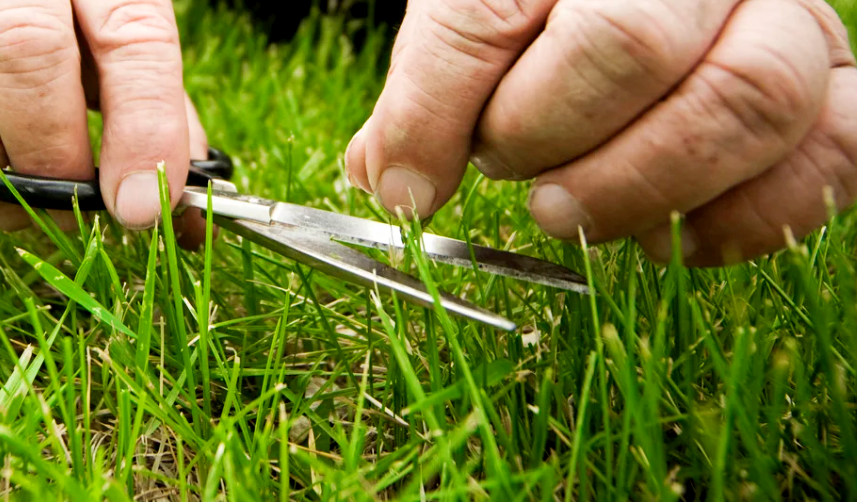
Maintaining the right grass height is foundational to lawn health. Cutting too short stresses blades, exposes roots to heat, and weakens defenses against drought or pests. Experts emphasize the one-third rule: never remove more than a third of the grass blade in a single session.
Red flags: Services that always bag clippings or use the same mowing pattern.
Common mistakes to avoid
Cutting too short: Leads to yellowing, weak roots, and weed invasion
Ignoring debris: Rocks/toys damage blades and create hazards
Dull blades: Torn grass edges invite fungal diseases
Over-mulching: Excess clippings smother grass and promote thatch
Same patterns: Wheel tracks and soil compaction from repetitive paths
July’s heat amplifies the consequences of poor mowing practices. By adhering to the one-third rule, sharpening blades, managing clippings strategically, and varying patterns, you protect your lawn from stress while maintaining curb appeal. Whether DIY or hiring professionals, these evidence-based techniques ensure a resilient, healthy turf through summer’s challenges.
Final reminder: Always inspect for debris, adjust heights seasonally, and prioritize blade maintenance. Your lawn will thank you.
Allan is a lifelong gardening enthusiast who still gets excited when the first seedlings pop up in spring. With a deep love for nature and a hands-in-the-soil approach, he shares practical tips, plant discoveries, and clever tricks picked up over years of digging, planting, and observing. Whether you’re a new gardener or have a shed full of tools, Allan writes like a neighbor who’s always happy to swap cuttings and stories over the fence.
You can find more about Allan’s work on Malt or connect with him on LinkedIn.
21 Replies to “Don’t Cut Your Grass This Month Until You Read This”
Interesting read!
How often should i actually be mowing my lawn in july?
Interesting read. i never thought leaving the grass uncut could have benefits. might let it grow a bit longer this time to see what happens.
Just wow, waiting to cut grass for the environment’s sake? that’s some green wisdom! excited to try it and see what happens. 🌿 lawn goals here i come!
💚自然万岁! 꽃이나🥀
That’s interesting!
I once left my lawn uncut in may for bees and it turned into a little jungle. the wildflowers popping up were pretty, but my dog got lost in the tall grass!
Last spring, i let my grass grow wild for a few weeks. it was amazing to see butterflies and bees buzzing around that weren’t there before. my neighbors gave me weird looks though!
Tried this last year and was amazed at all the pretty wildflowers that popped up. plus, it felt good giving bees a helping hand. i’m sticking with it again this month! 🐝🌸
Interesting read!
What mowing techniques should i use in july to keep my lawn healthy?
Great idea! 🐝🐞しましたzanp
Wow, never thought of it that way! super inspiring to consider the benefits for our gardens 🌿
Interesting tip thx!
Interesting read! i’m on the fence about skipping mowing. my yard can look wild if left for too long, but i do like the idea of boosting pollinator habitats. maybe i’ll try a week or two without mowing.
Okay, so last spring i let the grass grow a bit longer and noticed way more butterflies around. turns out it really helps the little critters thrive! no regrets.
Wow, this was eye-opening! who knew that holding off on mowing could benefit the local ecosystem? definitely going to give it a try. thanks for sharing!
Interesting timing for this advice, might have to rethink my lawn routine. let’s see how it turns out!
Interesting take on lawn care. i’m curious about how not mowing affects grass health longer term. it’s cool to learn about different approaches. we’ll see how it goes!
Wow, eye-opening! i was about to mow my lawn today. nature definitely knows best—gonna give this a try and see what happens. thanks for the advice! 🌿
What’s the best mowing height to keep my grass healthy during the hot summer months?



Interesting read!
How often should i actually be mowing my lawn in july?
Interesting read. i never thought leaving the grass uncut could have benefits. might let it grow a bit longer this time to see what happens.
Just wow, waiting to cut grass for the environment’s sake? that’s some green wisdom! excited to try it and see what happens. 🌿 lawn goals here i come!
💚自然万岁! 꽃이나🥀
That’s interesting!
I once left my lawn uncut in may for bees and it turned into a little jungle. the wildflowers popping up were pretty, but my dog got lost in the tall grass!
Last spring, i let my grass grow wild for a few weeks. it was amazing to see butterflies and bees buzzing around that weren’t there before. my neighbors gave me weird looks though!
Tried this last year and was amazed at all the pretty wildflowers that popped up. plus, it felt good giving bees a helping hand. i’m sticking with it again this month! 🐝🌸
Interesting read!
What mowing techniques should i use in july to keep my lawn healthy?
Great idea! 🐝🐞しましたzanp
Wow, never thought of it that way! super inspiring to consider the benefits for our gardens 🌿
Interesting tip thx!
Interesting read! i’m on the fence about skipping mowing. my yard can look wild if left for too long, but i do like the idea of boosting pollinator habitats. maybe i’ll try a week or two without mowing.
Okay, so last spring i let the grass grow a bit longer and noticed way more butterflies around. turns out it really helps the little critters thrive! no regrets.
Wow, this was eye-opening! who knew that holding off on mowing could benefit the local ecosystem? definitely going to give it a try. thanks for sharing!
Interesting timing for this advice, might have to rethink my lawn routine. let’s see how it turns out!
Interesting take on lawn care. i’m curious about how not mowing affects grass health longer term. it’s cool to learn about different approaches. we’ll see how it goes!
Wow, eye-opening! i was about to mow my lawn today. nature definitely knows best—gonna give this a try and see what happens. thanks for the advice! 🌿
What’s the best mowing height to keep my grass healthy during the hot summer months?