Grass Clippings Don’t Toss Them Here’s What Gardeners Do Instead
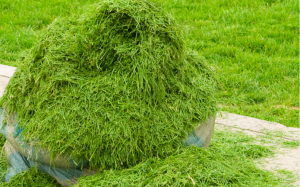
Freshly cut grass clippings are often viewed as yard waste, but they hold significant value for sustainable gardening. Instead of bagging and discarding them, gardeners worldwide are adopting innovative methods to repurpose these nutrient-rich materials. From improving soil health to reducing fertilizer costs, the benefits of reusing grass clippings are both practical and environmentally friendly. This article explores the most effective strategies for transforming lawn trimmings into gardening gold.
Leaving grass clippings on the lawn after mowing—known as grasscycling—is the easiest and most eco-friendly method. This practice eliminates the need for bagging while providing free fertilizer.
How it works: When clippings remain on the lawn, they decompose quickly, releasing nitrogen, potassium, and phosphorus back into the soil. These nutrients promote lush growth and reduce reliance on synthetic fertilizers.
Key benefits:
Moisture retention: Clippings act as a natural mulch, reducing soil evaporation.
Weed suppression: A thin layer of clippings can smother emerging weeds.
Cost savings: Eliminates the need for commercial fertilizers and mulch.
Pro tip: Use a mulching mower to finely chop clippings, ensuring they break down faster without forming clumps.
Composting: Turning clippings into nutrient-rich soil
Composting is a cornerstone of sustainable gardening, and grass clippings are a valuable green material. Here’s how to integrate them effectively:
[smartquiz]
Balancing green and brown materials
Compost piles thrive on a mix of green materials (nitrogen-rich) and brown materials (carbon-rich). Grass clippings fall into the green category, making them ideal for balancing with dried leaves, straw, or wood chips.
Best practices:
Layer clippings: Alternate 4–6 inches of clippings with brown materials.
Avoid excess: Too many clippings can create anaerobic conditions, leading to odors.
Accelerate decomposition: Mix clippings with manure or peat moss to boost microbial activity.
Expert insight: Professional landscaper Ward Dilmore notes that clippings help raise compost temperatures, speeding up the breakdown process.
Mulching: Protecting soil and retaining moisture
While traditional mulch often uses wood chips, grass clippings offer a free alternative. Proper application is key to avoiding mold and maintaining soil health.
Effective techniques:
Dry clippings first: Let fresh clippings sit for 1–2 days to reduce moisture.
Apply thinly: Spread a 1–2 inch layer around plants to prevent matting.
Mix with other materials: Combine clippings with leaves or straw for better airflow.
Caution: Avoid using clippings treated with herbicides or pesticides, as residues can harm plants.
Liquid fertilizer: Brewing compost tea
For gardeners seeking a quick nutrient boost, compost tea (or grass tea) offers a concentrated solution. This method extracts beneficial microbes and nutrients from clippings.
Step-by-step process:
Steep clippings: Place 1–2 cups of clippings in a mesh bag.
Soak in water: Submerge the bag in a 5-gallon bucket of water for 24–48 hours.
Strain and apply: Dilute the liquid with water (1:10 ratio) and use as a foliar spray or soil drench.
Benefits:
Rapid absorption: Plants uptake nutrients faster than solid compost.
Soil amendments: Enhancing structure and fertility
Grass clippings can be incorporated directly into soil to improve its texture and nutrient profile. This method is particularly effective for vegetable beds and flower gardens.
Implementation strategies:
Mix with existing soil: Blend clippings into planting holes or raised beds.
Combine with organic matter: Pair clippings with manure or peat moss for balanced amendments.
Use in lasagna gardening: Layer clippings with kitchen scraps and cardboard to build nutrient-dense soil.
Sustained fertility: Slow-release nutrients support plant growth over time.
Proper disposal: When reuse isn’t possible
While reusing clippings is ideal, some situations require disposal. For example, clippings treated with chemicals or infested with weeds should be handled carefully.
Safe disposal methods:
Check local regulations: Many municipalities accept clippings at composting facilities.
Bag and landfill: Use biodegradable bags to minimize environmental impact.
Avoid contamination: Never mix clippings with non-compostable waste.
Grass clippings are far more valuable than their discarded status suggests. By adopting methods like grasscycling, composting, and mulching, gardeners can reduce waste, lower costs, and create healthier ecosystems. As environmental awareness grows, these practices are becoming essential tools for sustainable landscaping. Whether you’re a seasoned gardener or a lawn-care novice, reusing clippings is a simple step toward a greener, more self-sufficient garden.
Allan is a lifelong gardening enthusiast who still gets excited when the first seedlings pop up in spring. With a deep love for nature and a hands-in-the-soil approach, he shares practical tips, plant discoveries, and clever tricks picked up over years of digging, planting, and observing. Whether you’re a new gardener or have a shed full of tools, Allan writes like a neighbor who’s always happy to swap cuttings and stories over the fence.
You can find more about Allan’s work on Malt or connect with him on LinkedIn.
12 Replies to “Grass Clippings Don’t Toss Them Here’s What Gardeners Do Instead”
Useful tip!🌿
Used clippings as mulch in my garden last summer and it really helped retain moisture. i had way fewer weeds too. who knew grass could be this helpful?
How do grass clippings improve soil health? interested in giving it a try!
Green and great! 🌿😃
I leave my clippings on the lawn occasionally but never really thought about using them in other ways. could be interesting, though not sure how i feel about possible extra work. worth a try, maybe?
How do you keep grass clippings from becoming a matted mess on the lawn? any tips on how to spread them evenly or mix with other materials?
I used to bag up all my grass clippings, but then i learned about mulching. now, i just leave them on the lawn and my garden’s never looked better. healthier and greener!
Interesting read. i usually just leave them on my lawn, but maybe i’ll try mulching with them next time.
Loved this tip! i used to toss my clippings, but now i use them as mulch. plants are healthier and it’s eco-friendly. super easy change with big benefits!
Love using grass clippings as mulch. keeps my garden moist and tidy. plus, it’s eco-friendly, which makes me feel like i’m giving back to nature. so satisfying!
How can i use grass clippings for composting in my garden? any tips on how much to add or how often?
Turning grass clippings into mulch transformed my garden. i layered them around the plants, and it kept weeds down and moisture in. plus, it’s totally eco-friendly!




Useful tip!🌿
Used clippings as mulch in my garden last summer and it really helped retain moisture. i had way fewer weeds too. who knew grass could be this helpful?
How do grass clippings improve soil health? interested in giving it a try!
Green and great! 🌿😃
I leave my clippings on the lawn occasionally but never really thought about using them in other ways. could be interesting, though not sure how i feel about possible extra work. worth a try, maybe?
How do you keep grass clippings from becoming a matted mess on the lawn? any tips on how to spread them evenly or mix with other materials?
I used to bag up all my grass clippings, but then i learned about mulching. now, i just leave them on the lawn and my garden’s never looked better. healthier and greener!
Interesting read. i usually just leave them on my lawn, but maybe i’ll try mulching with them next time.
Loved this tip! i used to toss my clippings, but now i use them as mulch. plants are healthier and it’s eco-friendly. super easy change with big benefits!
Love using grass clippings as mulch. keeps my garden moist and tidy. plus, it’s eco-friendly, which makes me feel like i’m giving back to nature. so satisfying!
How can i use grass clippings for composting in my garden? any tips on how much to add or how often?
Turning grass clippings into mulch transformed my garden. i layered them around the plants, and it kept weeds down and moisture in. plus, it’s totally eco-friendly!