How To extend perennial blooms naturally, no chemicals needed
Extending the blooming period of perennials without synthetic chemicals requires strategic care that mimics natural growth patterns. By focusing on soil health, targeted pruning, and ecosystem-friendly planting practices, gardeners can maximize flower longevity while supporting biodiversity. This approach not only enhances visual appeal but also strengthens plant resilience against environmental stressors.
Watering techniques
Deep, consistent watering during the first growing season establishes robust root systems, enabling plants to withstand drought and nutrient demands during flowering. Avoid overwatering, which can lead to root rot and reduced bloom quality. Mulching around plants retains moisture, suppresses weeds, and regulates soil temperature—critical for maintaining optimal growing conditions.
Fertilizing naturally
Apply organic compost or well-rotted manure in early fall to promote root growth and winter hardiness. This slow-release nutrient boost supports stronger stems and more abundant blooms the following spring. Avoid synthetic fertilizers, which can force excessive foliage growth at the expense of flowers.
Soil structure optimization
Perennials thrive in well-draining, humus-rich soil. Incorporate organic matter like leaf mold or peat moss to improve soil structure. For moisture-loving species like Siberian iris, ensure the planting site mimics their natural habitats—damp, well-drained areas near water sources.
Pruning and maintenance practices
Deadheading spent blooms
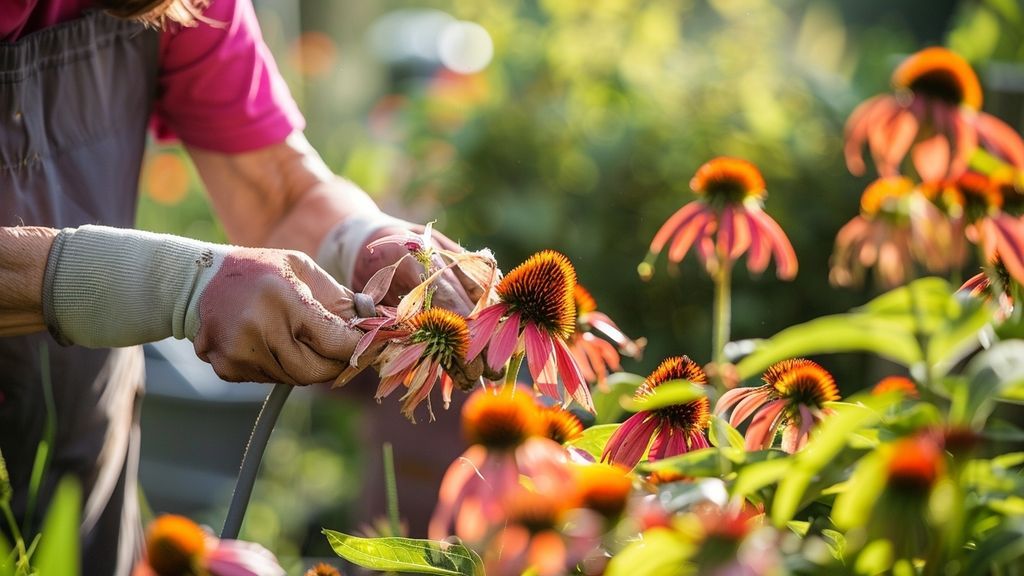
Removing faded flowers (deadheading) redirects plant energy toward producing new buds instead of seed production. For perennials like coneflowers or black-eyed Susans, snip off wilted blooms at the stem base. This method is particularly effective for bedding plants and repeat-blooming varieties.
Strategic cutting back
Trim back foliage in autumn to prepare perennials for winter. For Siberian iris, cut back leaves to 3–4 inches after flowering to conserve energy and reduce disease risk. In spring, remove dead foliage carefully to avoid damaging emerging shoots.
Supporting plant structure
Install stakes or trellises for tall perennials like delphiniums to prevent stem breakage. This physical support allows plants to focus energy on flowering rather than structural repair.
Strategic planting for extended bloom cycles
Layering plant types
Combine bulbs, perennials, and groundcovers to create staggered bloom periods. For example, pair early-blooming crocuses with mid-season peonies and late-blooming asters. This layered approach ensures continuous color throughout the growing season.
Mixing native and non-native species
Incorporate native perennials like coneflowers or bee balm, which attract pollinators and require less maintenance. Pair them with non-native ornamentals like daylilies or hostas to diversify bloom times and textures.
Choosing long-blooming varieties
Select perennials bred for extended flowering periods, such as catmint or salvias. These plants naturally produce successive waves of blooms, reducing the need for frequent deadheading.
Seasonal adjustments for optimal results
Fall preparation
Fertilize perennials in late fall with organic matter to strengthen roots. Apply a thick layer of mulch to protect soil from extreme temperatures and retain moisture. For moisture-dependent species like Siberian iris, ensure the planting area remains damp but not waterlogged.
Spring renewal
Delay spring cleanup until new growth emerges to protect overwintering insects. Gradually remove dead foliage to avoid shocking the plant. Divide and replant overcrowded perennials to rejuvenate their growth and flowering potential.
Summer maintenance
Monitor soil moisture during heatwaves, providing supplemental water only when necessary. Avoid excessive nitrogen-rich fertilizers, which promote leaf growth over flowering.
Case study: Maximizing Siberian iris blooms
Planting placement
Space Siberian iris plants 10–12 inches apart to allow proper air circulation and root expansion. Position them in partial shade near water features to mimic their natural habitat.
Post-bloom care
After flowering, cut back the tall, sword-shaped leaves to 3–4 inches to redirect energy toward root development. This practice ensures robust growth and abundant blooms in subsequent years.
Soil preferences
These irises thrive in moist, well-draining soil. Mix organic compost into the planting bed to improve soil structure and nutrient availability. Avoid sandy or dry soils, which can lead to stunted growth and fewer flowers.
Extending perennial blooms naturally hinges on mimicking ecological balance. By optimizing soil health, employing targeted pruning, and selecting strategically planted varieties, gardeners can create vibrant, sustainable gardens without chemical inputs. These methods not only prolong flowering periods but also foster healthier ecosystems, attracting pollinators and reducing environmental impact.
Allan is a lifelong gardening enthusiast who still gets excited when the first seedlings pop up in spring. With a deep love for nature and a hands-in-the-soil approach, he shares practical tips, plant discoveries, and clever tricks picked up over years of digging, planting, and observing. Whether you’re a new gardener or have a shed full of tools, Allan writes like a neighbor who’s always happy to swap cuttings and stories over the fence.
You can find more about Allan’s work on Malt or connect with him on LinkedIn.