

As urban landscapes increasingly prioritize sustainability, controlled wild gardening has emerged as a practical compromise between untamed ecosystems and curated outdoor spaces. This approach emphasizes biodiversity, low maintenance, and intentional design, offering a solution for homeowners seeking ecological balance without sacrificing visual appeal. By blending native plants, strategic planning, and minimal intervention, gardeners can create thriving environments that attract wildlife while maintaining a structured aesthetic.
Starting Small With Native Plants
Transitioning to wild gardening doesn’t require overhauling entire yards. Begin by introducing indigenous species like milkweed, coneflowers, or goldenrod in targeted areas. These plants are naturally adapted to local conditions, requiring less water and care than non-native varieties.
Choosing the Right Plants for Your Climate
Select drought-tolerant species such as lavender, yarrow, or buffalo grass for arid regions, while opting for moisture-loving plants like black-eyed Susans in wetter climates. Native plants not only thrive with minimal upkeep but also provide essential resources for pollinators and wildlife.
Creating Focal Points for Visual Balance
To avoid a chaotic appearance, incorporate structured elements like stone pathways, wooden benches, or raised beds. These features guide the eye and create intentional spaces within the wilder landscape, ensuring the garden remains inviting.
Embracing Companion Planting and Natural Fertilizers
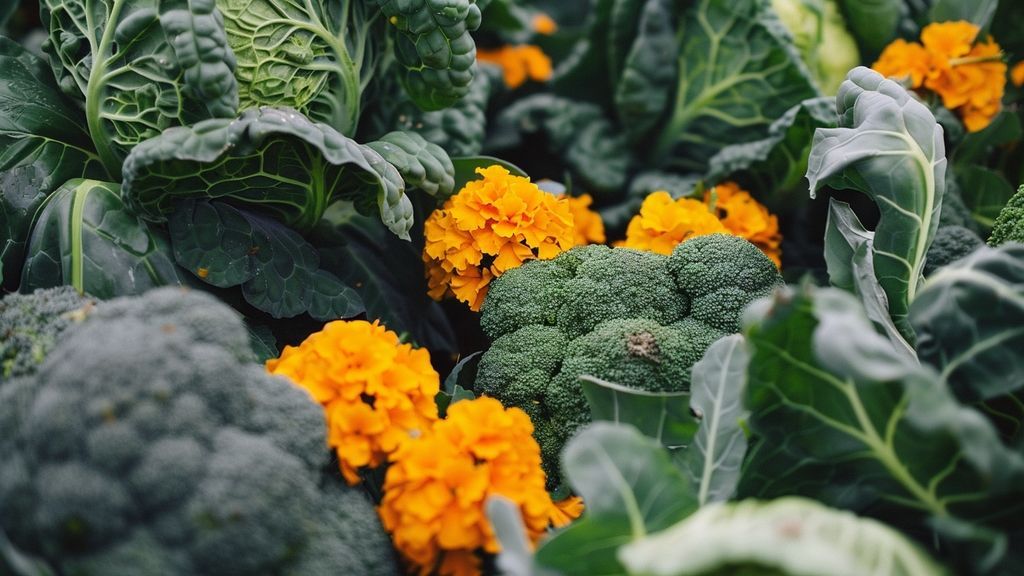
Companion planting leverages symbiotic relationships between species to deter pests and enhance growth. For example:
- Nasturtiums repel aphids when grown near beans.
- Marigolds deter beetles in broccoli and potato beds.
- Alliums planted around carrots help prevent root fly infestations.
Making Natural Fertilizers at Home
Replace synthetic fertilizers with nettle tea or comfrey liquid feed, which provide essential nutrients while enriching soil health. These solutions are cost-effective but require patience (and a tolerance for strong odors during fermentation).
Adopting Chaos Gardening Techniques
Carefree chaos gardening encourages randomness by scattering seeds of wildflowers, herbs, and vegetables across the garden. This method mimics natural ecosystems, fostering unexpected growth patterns and biodiversity.
Strategic Seed Scattering
Mix seeds of different species (e.g., sunflowers, cosmos, and herbs) and broadcast them over a designated area. Allow the plants to grow freely, pruning only to maintain airflow or access. This approach reduces labor while creating dynamic, ever-changing displays.
Implementing Sustainable Practices

Low-maintenance sustainability is central to controlled wild gardening. Key strategies include:
- Mulching to retain moisture and suppress weeds.
- Rainwater harvesting to reduce water consumption.
- Crop rotation to replenish soil nutrients.
Reducing Lawn Areas
Replace turf with meadow-like zones of tall grasses and wildflowers. These areas require less mowing and provide habitat for insects and small mammals. For a tidy look, maintain narrow pathways through the meadow using gravel or stepping stones.
Integrating Structured Elements for Tidiness
Balancing wild growth with intentional design ensures the garden remains functional and visually cohesive. Consider these strategies:
Designing Pathways and Boundaries
Use natural materials like reclaimed wood, stone, or brick to create pathways and borders. These elements define spaces without disrupting the organic feel of the garden.
Adding Wildlife-Friendly Features
Install bird feeders, insect hotels, or small ponds to attract beneficial species. These focal points draw the eye and encourage biodiversity while maintaining a curated aesthetic.
Controlled wild gardening offers a pragmatic path to sustainability, merging ecological benefits with intentional design. By prioritizing native plants, embracing companion planting, and incorporating strategic structures, homeowners can create resilient, low-maintenance landscapes that thrive in harmony with nature. As awareness of environmental stewardship grows, this approach is poised to redefine modern gardening practices.

Allan is a lifelong gardening enthusiast who still gets excited when the first seedlings pop up in spring. With a deep love for nature and a hands-in-the-soil approach, he shares practical tips, plant discoveries, and clever tricks picked up over years of digging, planting, and observing. Whether you’re a new gardener or have a shed full of tools, Allan writes like a neighbor who’s always happy to swap cuttings and stories over the fence.
You can find more about Allan’s work on Malt or connect with him on LinkedIn.


