
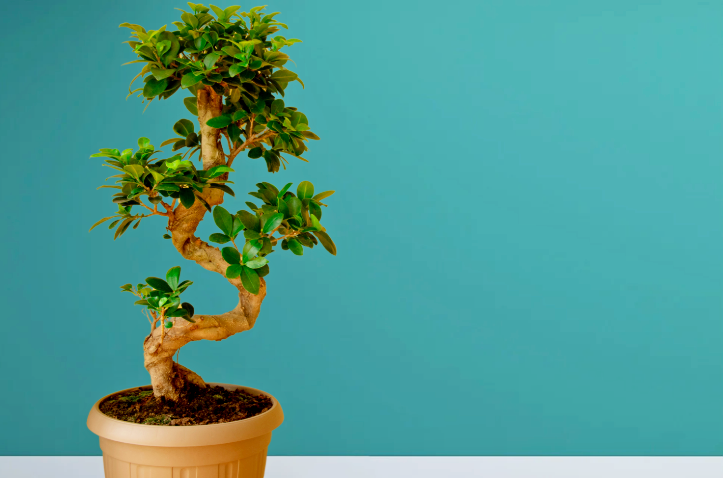
Growing a ginseng bonsai requires precision and patience, but with the right techniques, even beginners can cultivate these miniature marvels. This guide breaks down essential steps for nurturing your ginseng bonsai, from selecting the ideal species to advanced shaping methods.
Choosing the right species
Ficus ginseng remains the most popular choice for beginners due to its adaptability and resilience. This tropical species thrives indoors and tolerates minor mistakes in care, making it ideal for new growers.
Ficus ginseng characteristics
Ficus ginseng bonsai trees feature thick, twisted trunks and small, oval-shaped leaves. Their root systems develop aerial roots, which can be styled to create dramatic visual effects.
Climate considerations
While ficus ginseng prefers warm, humid environments, it can adapt to indoor conditions with proper care. For growers in colder climates, maintaining consistent temperatures above 60°F (15°C) is crucial.
Starter trees
Beginners should opt for pre-trained ginseng bonsai trees from reputable nurseries. These come with established root systems and basic shaping, reducing the learning curve.
Soil and watering
Soil composition
A well-draining bonsai soil mix is critical. Combine:
- Akadama (water retention)
- Pumice (nutrient absorption)
- Lava rock (aeration and drainage)
This inorganic mix prevents root rot and ensures healthy growth.
Watering techniques
Check soil moisture daily by inserting a finger into the top inch. Water thoroughly when dry, allowing excess to drain. Overwatering is the most common mistake, so monitor closely.
Drainage management
Use shallow pots with multiple drainage holes. Elevate pots on trays to prevent waterlogging. For species like ficus ginseng, a slightly drier mix may be needed if you tend to overwater.
Pruning and shaping

Basic pruning techniques
Prune in early spring or late autumn to maintain shape. Remove dead branches and excess foliage, leaving two to three nodes per branch. Use sharp, clean tools to prevent infections.
Defoliation strategies
Defoliate ficus ginseng trees during active growth periods to encourage smaller leaves. Remove 30-50% of leaves, focusing on older foliage. This method enhances ramification and reduces leaf size.
Advanced wiring methods
Apply aluminum or copper wire to branches during the growing season. Shape gently to avoid damaging bark. Remove wires after 2-3 months to prevent scarring.
Fertilization and nutrition
Balanced fertilization
Feed with a 20-20-20 balanced fertilizer every two weeks during spring-fall. Dilute to half strength to prevent root burn. For mature trees, switch to low-nitrogen formulas like fish emulsion.
Organic alternatives
Use composted manure or worm castings for slow-release nutrients. Avoid synthetic fertilizers during winter dormancy. Monitor leaf color – pale leaves indicate nutrient deficiencies.
Lighting and humidity
Optimal light conditions
Place ficus ginseng bonsai near bright, indirect light sources. Direct sunlight can cause leaf burn, while insufficient light leads to weak growth. East- or west-facing windows work best.
Humidity management
Maintain 50-70% humidity levels. Mist leaves daily with distilled water or use a humidifier. Group plants together to create microclimates, enhancing moisture retention.
Common mistakes to avoid
Overwatering risks
Ficus ginseng roots rot quickly in soggy soil. Check moisture daily and adjust watering frequency based on season. Use a moisture meter for precise readings.
Insufficient pruning
Neglecting pruning leads to leggy growth and loss of shape. Prune regularly to maintain desired form and encourage new growth.
Poor repotting practices
Repot every 2-3 years in spring. Trim roots gently to prevent shock. Use fresh soil mix and avoid disturbing the root ball excessively.
Advanced techniques for experienced growers
Root-over-rock styling
Train roots to grow over rocks for dramatic visual effects. Secure roots with wire and monitor moisture closely during this process.
Deadwood carving
Create natural-looking deadwood by carefully carving branches with a Dremel tool. Seal cuts with wax to prevent decay.
Group plantings
Combine multiple ficus ginseng trees in a single pot to mimic natural forests. Ensure adequate spacing and shared root systems for stability.
Troubleshooting and maintenance
Pest control
Inspect trees weekly for spider mites, mealybugs, and scale. Treat infestations with neem oil or insecticidal soap. Isolate affected trees to prevent spread.
Seasonal adjustments
Reduce watering and fertilization during winter. Protect outdoor trees from frost. Bring tropical species indoors during colder months.
Long-term care
Monitor tree health through leaf color, growth patterns, and root development. Adjust care routines as trees mature and environmental conditions change.
By following these guidelines, growers can master the art of nurturing ginseng bonsai trees. Whether you’re a novice or an experienced enthusiast, consistent care and attention to detail will yield thriving, visually stunning miniature trees.

Allan is a lifelong gardening enthusiast who still gets excited when the first seedlings pop up in spring. With a deep love for nature and a hands-in-the-soil approach, he shares practical tips, plant discoveries, and clever tricks picked up over years of digging, planting, and observing. Whether you’re a new gardener or have a shed full of tools, Allan writes like a neighbor who’s always happy to swap cuttings and stories over the fence.
You can find more about Allan’s work on Malt or connect with him on LinkedIn.


