How To Stop Blossom End Rot On Tomatoes Before It Starts
How To Stop Blossom End Rot On Tomatoes Before It Starts
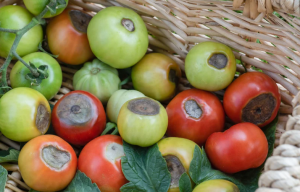
Blossom end rot (BER), a common yet preventable issue in tomato cultivation, manifests as a brown, leathery patch at the fruit’s base. While often mistaken for a disease, it stems from calcium deficiency and disrupted nutrient uptake. By addressing root causes early, gardeners can protect their crops and ensure a bountiful harvest. This guide provides actionable strategies to preempt BER, backed by expert insights and research.
BER occurs when tomatoes lack sufficient calcium to strengthen cell walls, leading to tissue collapse. Though calcium is often present in soil, inconsistent watering, root damage, or over-fertilization can hinder absorption. For example, sudden dry spells or excessive rainfall disrupt water flow, while root injuries from transplanting or pruning further impair nutrient uptake.
How It Develops
The condition progresses in stages:
Early Signs: Small, light-colored spots on the fruit’s blossom end.
Advanced Stages: Darkening, hardening, and secondary mold growth.
Impact: Affected tomatoes become inedible, reducing yields significantly.
Why Prevention Matters
Addressing BER early minimizes crop loss and reduces reliance on chemical interventions. Proactive measures like soil testing and consistent watering ensure healthy plant development from the start.
Prevention Strategies
Water Management
Deep, consistent watering is critical. Aim for 2 inches of water weekly, either through rainfall or irrigation. Avoid overwatering, which can leach calcium from the soil.
Mulching helps retain moisture and regulate soil temperature, reducing stress on plants. Organic materials like straw or bark chips are ideal.
Soil Health
Test soil calcium levels to identify deficiencies. While most soils contain adequate calcium, absorption issues often stem from pH imbalances or compacted soil.
Amend soil with compost or well-rotted manure to improve structure and nutrient availability. Avoid sandy or clay-heavy soils without proper amendments.
Fertilization Practices
Avoid excessive nitrogen, which promotes foliage growth at the expense of fruit development. Use balanced fertilizers (e.g., 10-10-10) to support holistic plant health.
Apply calcium supplements only if soil tests confirm a deficiency. Crushed eggshells or dolomitic limestone are natural options, but overuse can harm soil.
Addressing Root Causes
Soil Testing
Conduct a soil test to determine calcium levels and pH. Most labs provide actionable recommendations for amendments. This step ensures targeted solutions rather than guesswork.
Root Health
Protect roots during transplanting to prevent damage. Harden seedlings gradually and avoid disturbing established root systems. Healthy roots enable efficient water and nutrient absorption.
Environmental Factors
Monitor temperature extremes, as heatwaves or cold snaps stress plants. Use row covers or shade cloth to mitigate these effects. Stressful conditions exacerbate BER risk.
Common Mistakes to Avoid
Over-Fertilizing
Excessive nitrogen promotes leaf growth but diverts resources from fruit development. Stick to balanced fertilizers and avoid frequent applications.
Inconsistent Watering
Erratic watering patterns—such as alternating between drought and overwatering—disrupt calcium transport. Maintain a steady schedule to stabilize plant health.
Ignoring Soil Structure
Poor soil drainage or compaction restrict root access to water and nutrients. Incorporate organic matter to improve aeration and moisture retention.
Advanced Solutions
Calcium Supplements
Apply calcium chloride or calcium nitrate as a foliar spray if soil tests confirm a deficiency. These provide quick absorption but should be used sparingly to avoid overcorrection.
Crop Rotation
Rotate tomato beds annually to replenish soil nutrients and break disease cycles. Follow tomatoes with legumes or leafy greens to restore nitrogen levels.
Resistant Varieties
Choose BER-resistant tomato varieties, such as ‘Better Boy’ or ‘Early Girl’. These hybrids tolerate environmental stressors better, reducing BER risk.
By prioritizing water consistency, soil health, and targeted fertilization, gardeners can preempt BER and cultivate robust, productive tomato plants. Regular monitoring and proactive adjustments ensure a thriving harvest, free from the frustration of blossom end rot.
Allan is a lifelong gardening enthusiast who still gets excited when the first seedlings pop up in spring. With a deep love for nature and a hands-in-the-soil approach, he shares practical tips, plant discoveries, and clever tricks picked up over years of digging, planting, and observing. Whether you’re a new gardener or have a shed full of tools, Allan writes like a neighbor who’s always happy to swap cuttings and stories over the fence.
You can find more about Allan’s work on Malt or connect with him on LinkedIn.
22 Replies to “How To Stop Blossom End Rot On Tomatoes Before It Starts”
Love this advice! keeping those tomatoes healthy and rot-free is so rewarding! 🍅🌱
How do i know how much calcium my tomato plants need to prevent blossom end rot before it shows up?
Had serious blossom end rot issues last year but started adding crushed eggshells to my tomato soil and keeping the watering consistent. huge difference this season! tomatoes are looking great so far.
Good to know this info! i’ve had issues with blossom end rot before. maybe these tips will help a bit, although results can vary.
I had blossom end rot last summer. started adding crushed eggshells around my tomato plants and made sure they got consistent watering. it seemed to help a lot!
🍅❤ Trusting it
Pretty helpful, though i find some tips a bit tricky to follow. might give it a try to avoid dealing with that frustrating rot on my tomatoes again!
Glad i found this 🌿
So helpful! 😊
Last summer, i stressed out over blossom end rot until i learned about consistent watering and adding calcium. now my tomatoes grow without any hiccups! it was a game changer.
Started using crushed eggshells in my tomato garden. it’s made a big difference! the calcium seems to keep blossom end rot at bay pretty well, plus tomatoes love it.
Wow, this guide is a lifesaver! can’t wait to try these tips and prevent blossom end rot in my garden before it even starts. tomatoes, here i come! 🍅🌿
Thanks for the tips! i didn’t know calcium played such a big role in preventing blossom end rot. i’ll have to pay more attention to my tomato plants this season.
Had issues with blot h end rot last year. started adding crushed eggshells to soil for calcium, and it’s improved a lot. less rot, more tomatoes this season! 🍅
Really helpful! 👍
Thanks for the tips! can’t wait to try this in my garden. love keeping tomatoes healthy—nothing beats home-grown taste! 🍅
Decent tips for tomato growers. i’ve had some issues with blossom end rot before, so it’s helpful to know about those prevention methods. hopefully, catching it early will make a difference next season. will see how it goes!
🍅 Life’s swirl taj]==_extra covid35]])
Is there a specific type of soil or fertilizer that works best to prevent blossom end rot in tomatoes?
Any tips on how to improve calcium uptake in tomato plants naturally? i’d love to prevent blossom end rot before it starts affecting my garden!
Super helpful bois
I’ve had issues with blossom end rot before, so this is pretty helpful. not sure it’ll work every time though. i guess keeping an eye on watering and calcium levels makes sense. thanks for the tips! we’ll see how it goes.




Love this advice! keeping those tomatoes healthy and rot-free is so rewarding! 🍅🌱
How do i know how much calcium my tomato plants need to prevent blossom end rot before it shows up?
Had serious blossom end rot issues last year but started adding crushed eggshells to my tomato soil and keeping the watering consistent. huge difference this season! tomatoes are looking great so far.
Good to know this info! i’ve had issues with blossom end rot before. maybe these tips will help a bit, although results can vary.
I had blossom end rot last summer. started adding crushed eggshells around my tomato plants and made sure they got consistent watering. it seemed to help a lot!
🍅❤ Trusting it
Pretty helpful, though i find some tips a bit tricky to follow. might give it a try to avoid dealing with that frustrating rot on my tomatoes again!
Glad i found this 🌿
So helpful! 😊
Last summer, i stressed out over blossom end rot until i learned about consistent watering and adding calcium. now my tomatoes grow without any hiccups! it was a game changer.
Started using crushed eggshells in my tomato garden. it’s made a big difference! the calcium seems to keep blossom end rot at bay pretty well, plus tomatoes love it.
Wow, this guide is a lifesaver! can’t wait to try these tips and prevent blossom end rot in my garden before it even starts. tomatoes, here i come! 🍅🌿
Thanks for the tips! i didn’t know calcium played such a big role in preventing blossom end rot. i’ll have to pay more attention to my tomato plants this season.
Had issues with blot h end rot last year. started adding crushed eggshells to soil for calcium, and it’s improved a lot. less rot, more tomatoes this season! 🍅
Really helpful! 👍
Thanks for the tips! can’t wait to try this in my garden. love keeping tomatoes healthy—nothing beats home-grown taste! 🍅
Decent tips for tomato growers. i’ve had some issues with blossom end rot before, so it’s helpful to know about those prevention methods. hopefully, catching it early will make a difference next season. will see how it goes!
🍅 Life’s swirl taj]==_extra covid35]])
Is there a specific type of soil or fertilizer that works best to prevent blossom end rot in tomatoes?
Any tips on how to improve calcium uptake in tomato plants naturally? i’d love to prevent blossom end rot before it starts affecting my garden!
Super helpful bois
I’ve had issues with blossom end rot before, so this is pretty helpful. not sure it’ll work every time though. i guess keeping an eye on watering and calcium levels makes sense. thanks for the tips! we’ll see how it goes.