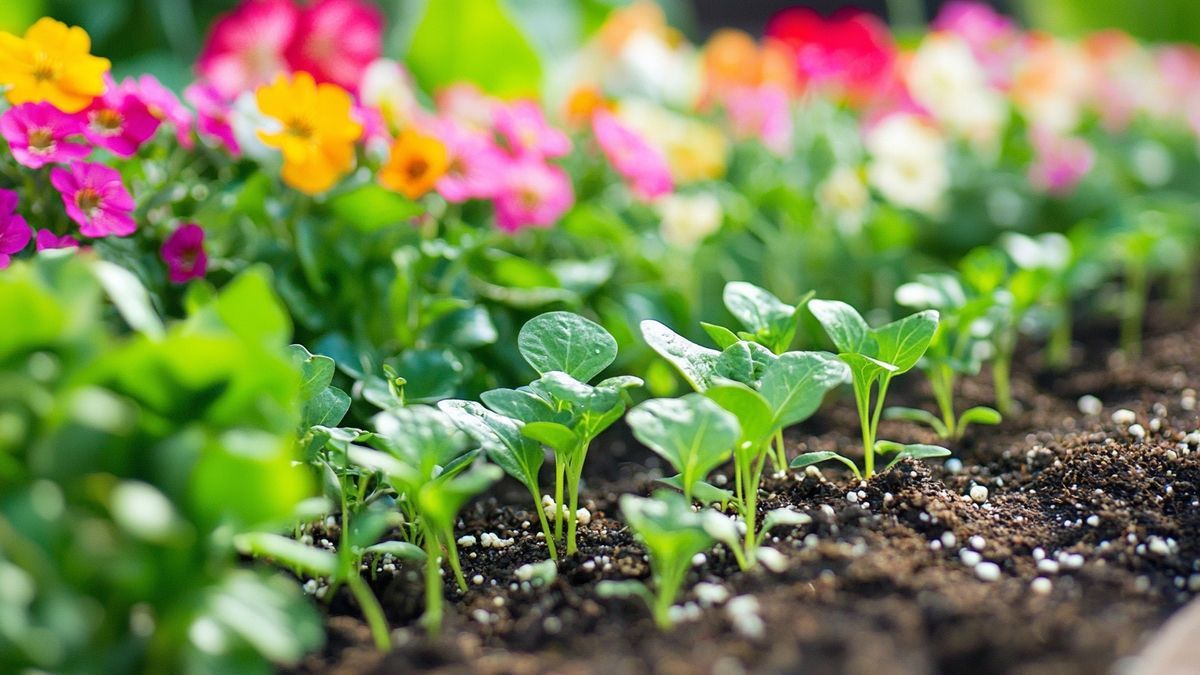
June’s Top 7 Veggies To Plant Right Now For A Thriving Summer Harvest
June marks a critical window for planting warm-weather crops, ensuring a bountiful summer harvest. With soil temperatures rising and frost risks diminishing, gardeners can direct sow vegetables that thrive in heat. From quick-growing greens to nutrient-dense roots, these seven crops offer diverse benefits for home gardens. Below, we break down the best options, planting strategies, and care tips to maximize yields.
Cucumbers and Squash: Summer Staples for Direct Sowing
Why These Crops Thrive in June
Cucumbers and squash (including zucchini) excel in June due to their warm-weather tolerance and rapid growth. Direct sowing eliminates transplant shock, allowing seedlings to establish strong root systems. These crops mature quickly, often producing harvests within 50–60 days, making them ideal for summer meals.
Planting Tips for Maximum Yield
Soil Preparation: Choose well-draining soil with full sun. Add compost to improve fertility.
Sowing Strategy: Plant 2–3 seeds per hole, 1 inch deep, spaced 12–18 inches apart. Thin to the strongest seedling.
Support Structures: Use trellises or cages for cucumbers to save space and reduce fungal risks.
Common Challenges and Solutions
Pests: Watch for aphids and squash bugs. Introduce beneficial insects like ladybugs or spray neem oil.
Diseases: Rotate crops annually to prevent powdery mildew. Mulch around plants to retain moisture and suppress weeds.
Corn: A Fast-Growing Crop for Summer Meals
Ideal Growing Conditions
Corn thrives in full sun and well-draining soil, performing best in USDA zones 3–10. Hybrid varieties can even grow in containers, making them accessible to small-space gardeners.
Sowing and Care Strategies
Block Planting: Sow seeds in blocks (3×3 feet) to improve pollination. Plant 1 inch deep, 6–8 inches apart.
Soil Depth: Maintain consistent moisture during germination. Once established, reduce watering to encourage deep root growth.
Maximizing Harvest Potential
Succession Sowing: Plant a new block every 2–3 weeks for staggered harvests.
Companion Planting: Pair with nitrogen-fixing beans and sunflowers to create a “Three Sisters” system.
Beans: Runner and French Varieties for Late Summer Harvest
Direct Sowing Benefits
Beans are quick to germinate and thrive when sown directly into warm soil. Runner beans and French beans (bush or pole) mature in 50–70 days, providing a late-summer harvest.
Soil and Support Requirements
Soil Quality: Use well-draining soil with a pH of 6.0–7.0. Avoid heavy clay.
Support Systems: Provide trellises or stakes for pole varieties. Bush beans need minimal support.
Managing Pests and Diseases
Aphids and Spider Mites: Spray with water or insecticidal soap.
Powdery Mildew: Ensure airflow between plants and avoid overhead watering.
Okra: A Heat-Loving Crop for Southern Gardens
Climate and Soil Preferences
Okra flourishes in hot climates (zones 7–11) and rich, fertile soil. It’s drought-tolerant once established but benefits from consistent moisture during flowering.
Sowing and Spacing Guidelines
Direct Sowing: Plant seeds 1 inch deep, 12–18 inches apart. Thin to 18–24 inches for mature plants.
Soil Warmth: Wait until soil reaches 65°F (18°C) for optimal germination.
Harvesting Techniques
Regular Picking: Harvest pods when 3–5 inches long to encourage continuous production.
Storage: Use scissors to avoid damaging stems.
Sweet Potatoes: A Nutrient-Rich Summer Crop
Choosing the Right Variety
Opt for heat-tolerant varieties like ‘Covington’ or ‘Jewel’ for summer planting. These crops require 90–120 days to mature, making June planting ideal in warmer zones.
Planting Slips vs. Direct Sowing
Slips: Start slips indoors 4–6 weeks before planting. Transplant after frost risks pass.
Direct Sowing: In zones 7+, sow seeds 1 inch deep, 12 inches apart.
Soil and Water Management
Loose Soil: Till soil to 8–10 inches deep to accommodate tubers.
Consistent Moisture: Water deeply once or twice weekly, avoiding standing water.
Lettuce and Radishes: Quick-Growing Succession Crops
Succession Sowing Strategy
Lettuce and radishes mature in 4–6 weeks, allowing multiple harvests. Sow every 1–2 weeks to maintain a steady supply.
Optimal Growing Conditions
Partial Shade: Lettuce bolts in intense heat; plant in morning sun or under row covers.
Soil Prep: Sow radishes in loose, fine soil for smooth root formation.
Companion Planting Benefits
Herb Pairings: Grow lettuce with basil or cilantro to deter pests.
Beets: A Versatile Root Vegetable for Summer Harvest
Direct Sowing Advantages
Beets germinate reliably when sown directly, avoiding transplant shock. Thin seedlings to 2–3 inches apart for proper root development.
Soil and Sowing Depth
Fine Soil: Sow seeds ¼ inch deep in well-tilled beds.
pH Balance: Maintain soil pH between 6.5–7.0 for optimal growth.
Managing Weeds and Pests
Mulching: Apply straw mulch to suppress weeds and retain moisture.
Crop Rotation: Rotate beets with legumes to replenish soil nitrogen.
By prioritizing these seven vegetables, gardeners can leverage June’s warm weather to cultivate a diverse, productive summer garden. Whether focusing on quick-growing greens or nutrient-dense roots, strategic planting ensures a harvest that lasts through autumn.
Allan is a lifelong gardening enthusiast who still gets excited when the first seedlings pop up in spring. With a deep love for nature and a hands-in-the-soil approach, he shares practical tips, plant discoveries, and clever tricks picked up over years of digging, planting, and observing. Whether you’re a new gardener or have a shed full of tools, Allan writes like a neighbor who’s always happy to swap cuttings and stories over the fence.
You can find more about Allan’s work on Malt or connect with him on LinkedIn.