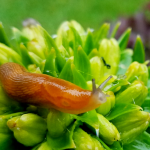
The Natural Way To Protect Your Tomatoes From Slugs And Snails This Month
Slugs and snails thrive in moist, shaded environments, making tomato plants particularly vulnerable during spring and early summer. These pests emerge at dusk to feed on tender leaves and fruits, leaving behind characteristic holes and silvery trails. Their nocturnal habits and ability to reproduce rapidly create challenges for gardeners seeking organic solutions.
Key behavioral traits to exploit:
Nocturnal activity: Most feeding occurs after sunset
Moisture dependence: Requires humid conditions to survive
Attraction to tender growth: Prefers seedlings and young plants
Physical removal remains one of the simplest methods. Conduct nightly inspections using a flashlight to locate pests on plants or soil surfaces. For larger infestations, create DIY traps using:
Wooden boards: Place flat near affected plants, check mornings for hiding pests
Damp newspapers: Fold into layers and position near tomato beds
Pro tip: Add sulfur dust or hydrated lime to traps for enhanced effectiveness, but avoid direct soil application to prevent plant damage.
Barriers and repellents
Physical barriers and natural repellents create protective zones around tomato plants. Copper tape (3-4 inches wide) placed around planters or raised beds disrupts slug movement through electrical reactions with their mucus.
Mulching strategies:
Copper-infused mulch: Combines physical barrier with repellent properties
Sharp materials: Crushed eggshells or gravel deter climbing pests
Baiting with bran
Wheat or corn bran acts as a natural desiccant when ingested. Sprinkle 1-2 tablespoons around plant bases in the evening:
Slugs consume bran particles
Bran absorbs moisture from their bodies
Dehydration causes death within 24 hours
Note: Bran loses effectiveness in wet conditions – reapply after rain.
Using iron phosphate pellets
Organic-approved pellets containing iron phosphate provide targeted control without harming beneficial insects. These work by:
Attracting pests through bait additives
Causing internal damage that prevents feeding
Breaking life cycles through reduced reproduction
Application tip: Follow product instructions for spacing and timing to maximize coverage.
Preventative measures for tomato protection
Clean garden maintenance
Reducing habitat opportunities is critical for long-term control. Implement these practices:
Remove debris: Clear dead leaves, weeds, and discarded pots
Trim plantings: Keep tomato beds free of dense foliage
Distance from shade: Maintain 10+ feet between tomatoes and shrubs/trees
Strategic planting
Trap crops and companion planting redirect pest attention away from tomatoes:
Trap Crops
Companion Plants
Radishes
Garlic
Marigolds
Chives
Borage
Basil
Implementation: Plant trap crops around tomato beds to absorb pest pressure. Companion plants release volatile oils that repel slugs.
Use resistant mulches: Straw or wood chips decompose slowly, reducing moisture
Encouraging natural predators
Create habitats for beneficial animals that prey on slugs:
Ground beetles: Provide shelter with leaf litter piles
Toads: Maintain damp areas near tomato beds
Birds: Install feeders to attract thrushes and blackbirds
Seasonal timing
May presents unique challenges as tomato plants transition from seedlings to mature growth. Focus efforts on:
Early morning inspections for newly emerged pests
Pre-bloom protection to prevent flower damage
Soil aeration to reduce moisture retention
Combining physical barriers, targeted baiting, and ecosystem management creates a comprehensive defense system against slugs and snails. By addressing both immediate threats and underlying habitat factors, gardeners can protect tomato crops while maintaining organic gardening principles. Regular monitoring and adaptive strategies ensure long-term success against these persistent pests.
Allan is a lifelong gardening enthusiast who still gets excited when the first seedlings pop up in spring. With a deep love for nature and a hands-in-the-soil approach, he shares practical tips, plant discoveries, and clever tricks picked up over years of digging, planting, and observing. Whether you’re a new gardener or have a shed full of tools, Allan writes like a neighbor who’s always happy to swap cuttings and stories over the fence.
You can find more about Allan’s work on Malt or connect with him on LinkedIn.