
As global temperatures hit record highs, gardeners face unprecedented challenges in maintaining vibrant landscapes. However, certain plants have evolved to thrive in extreme heat, offering resilience and beauty even during prolonged droughts. These hardy species—often native to arid regions or bred for climate adaptability—provide sustainable solutions for heat-stressed gardens. Below, we explore the most effective drought-tolerant plants, their unique traits, and how they adapt to harsh conditions.
Perennial plants are ideal for low-maintenance gardens, as they return year after year with minimal care. These heat-tolerant varieties excel in full sun and poor soil, making them perfect for regions experiencing prolonged dry spells.
Daylilies: Hardy and Versatile
Daylilies (Hemerocallis spp.) are a top choice for heat-resistant gardens. With thousands of varieties, they offer blooms in nearly every color, from lemon yellow to deep pink. These plants tolerate poor soil, drought, and pests, requiring only moderate watering and deadheading to prolong flowering.
Key traits:
- Zone: 3–9 (varies by variety)
- Exposure: Full sun to partial shade
- Maintenance: Minimal; deadhead spent blooms for extended flowering.

Russian Sage: A Heat-Resistant Backdrop
Russian sage (Perovskia atriplicifolia) provides a striking backdrop for gardens with its silvery-gray foliage and airy blue flowers. This shrub-like perennial grows up to 5 feet tall and thrives in full sun, requiring only occasional pruning to maintain shape.
Key traits:
- Zone: 4–9
- Exposure: Full sun
- Maintenance: Cut back hard in spring to encourage new growth.
Lavender: Mediterranean Resilience
Lavender, a Mediterranean native, excels in rocky, sandy soils and high temperatures. It avoids root rot by preferring well-drained conditions and tolerates drought once established. Popular varieties include English lavender (Lavandula angustifolia) and French lavender (Lavandula stoechas).
Key traits:
- Zone: Varies by species (check local hardiness)
- Exposure: Full sun
- Maintenance: Avoid overwatering; prune after flowering.
Native Plants Built for Local Climates
Native species often outperform non-native plants in heat tolerance, as they’ve evolved alongside regional ecosystems. These plants require fewer resources and support local pollinators.
Beach Dune Sunflowers: Coastal Resilience
Beach dune sunflowers (Helianthus debilis) thrive in sandy, well-drained soils and full sun. These perennials spread as groundcovers, blooming continuously with bright yellow flowers that attract butterflies.
Key traits:
- Habitat: Coastal dunes, sandy soils
- Exposure: Full sun
- Maintenance: Low; spreads naturally to fill dry areas.
Sunshine Mimosa: Groundcover with Benefits
Sunshine mimosa (Mimosa strigillosa) serves as a drought-tolerant lawn alternative. Its pink powderpuff flowers attract pollinators, while its deep roots prevent erosion. It tolerates light foot traffic and thrives in full sun.
Key traits:
- Zone: Suitable for warm climates
- Exposure: Full sun
- Maintenance: Minimal; mow occasionally to control spread.
Firebush: Evergreen and Wildlife-Friendly
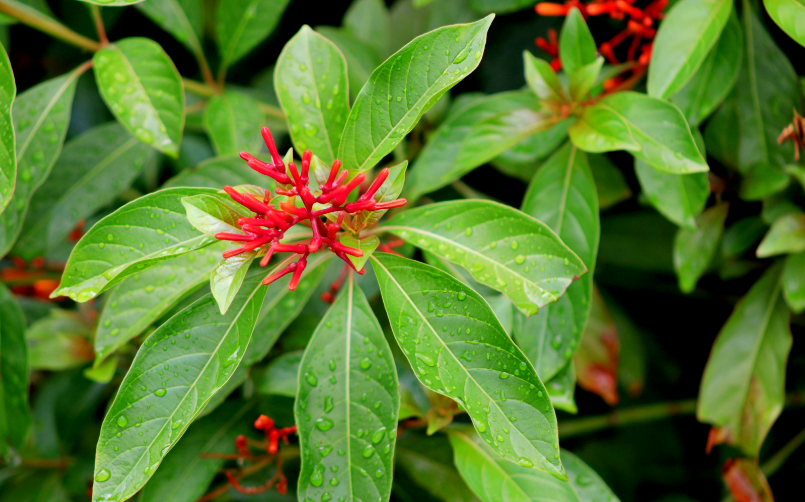
Firebush (Hamelia patens) is a root-hardy shrub with orange-yellow flowers that provide nectar for hummingbirds and berries for wildlife. It rebounds quickly after winter freezes, making it ideal for regions with mild winters.
Key traits:
- Habitat: Well-drained soils, full to partial sun
- Exposure: Full sun to partial shade
- Maintenance: Low; prune in spring to encourage new growth.
Annuals and Groundcovers for Quick Impact
While perennials offer long-term solutions, annuals and groundcovers provide immediate color and coverage. These plants excel in containers or temporary landscapes.
Dichondra: Silvery Filler for Containers
Dichondra, with its silvery-green foliage, adds a lush, creeping texture to pots and window boxes. Though it’s a perennial in warm climates, it’s often grown as an annual elsewhere. It thrives in full sun and well-drained soils.
Key traits:
- Zone: Warm climates (perennial); elsewhere, annual
- Exposure: Full sun
- Maintenance: Water sparingly; trim to maintain shape.
‘Heatmaster’ Tomatoes: Bred for High Heat
For edible gardens, ‘Heatmaster’ tomatoes are engineered to withstand extreme heat and humidity. Testing shows they outperform traditional varieties in these conditions, producing fruit even during heatwaves.
Key traits:
- Climate: High heat and humidity
- Maintenance: Regular watering; stake for support.
Maintenance Tips for Drought-Tolerant Gardens
While these plants are resilient, strategic care ensures optimal performance.
Strategic Watering and Soil Preparation
- Water deeply but infrequently: Encourage deep root growth by watering once or twice weekly, depending on soil moisture.
- Use mulch: Retain soil moisture and suppress weeds with organic mulch like bark chips or gravel.
- Avoid overfertilizing: High nitrogen can reduce flowering in plants like globe thistles and Russian sage.
Companion Planting for Resource Sharing
Pair plants with complementary growth habits to maximize space and resource efficiency. For example:
- Russian sage + coneflower: Sage’s foliage contrasts with coneflower blooms.
- Lavender + dichondra: Lavender’s upright stems complement dichondra’s spreading habit.
Future Trends in Heat-Resistant Gardening
As temperatures rise, horticultural innovation focuses on breeding and landscaping adaptations.
Breeding Programs for Climate Adaptation
Efforts to develop heat-tolerant hybrids, like ‘Heatmaster’ tomatoes, highlight the role of agriculture in climate resilience. Future projects may target drought-resistant ornamentals, such as heat-adapted daylily varieties.
Urban Landscaping Innovations
Cities are adopting drought-tolerant plants for public spaces. For example, sunshine mimosa could replace traditional lawns in arid urban areas, reducing water consumption while supporting pollinators.
By prioritizing these heat-tolerant plants, gardeners can create resilient landscapes that thrive even in record-breaking temperatures. Whether through native species, hardy perennials, or innovative breeding, these plants redefine what it means to garden in a warming world.

Allan is a lifelong gardening enthusiast who still gets excited when the first seedlings pop up in spring. With a deep love for nature and a hands-in-the-soil approach, he shares practical tips, plant discoveries, and clever tricks picked up over years of digging, planting, and observing. Whether you’re a new gardener or have a shed full of tools, Allan writes like a neighbor who’s always happy to swap cuttings and stories over the fence.
You can find more about Allan’s work on Malt or connect with him on LinkedIn.


Interesting read! it’s fascinating how some plants can thrive in extreme heat. i’m curious if that means we might see changes in gardening trends or plant choices for hot climates.
Tried growing succulents during a heatwave, they were just chilling while i was melting. nature always amazes me!
Which plants are best for staying colorful in a hot and dry garden?
What are some examples of these heat-resistant plants i can try in my own garden?
Interesting read! it’s always surprising how some plants just thrive in extreme heat. nature’s resilience is something, but still makes me think about the ongoing impact of climate change.
This summer, my succulents thrived even when the temperatures got crazy hot. i was worried they’d fry, but they didn’t flinch! maybe i should take notes from them. 🌵😊
Refreshing info! 🌿
Pretty interesting to learn how some plants can withstand the heat. kinda makes you wonder how they’ll adapt to future climate changes. a bit of nature’s resilience!
Incredible how nature adapts, right? those plants are total champs. loving this resilience! nature truly knows how to handle the heat like a pro.
Incredibly resilient plants! it’s amazing how they thrive in extreme heat, proving nature’s adaptability. so fascinating!
Nice read!
This is mind-blowing! nature’s resilience never ceases to impress. loving how these plants stay cool even when we can’t! 😊🌱
Interesting read!