
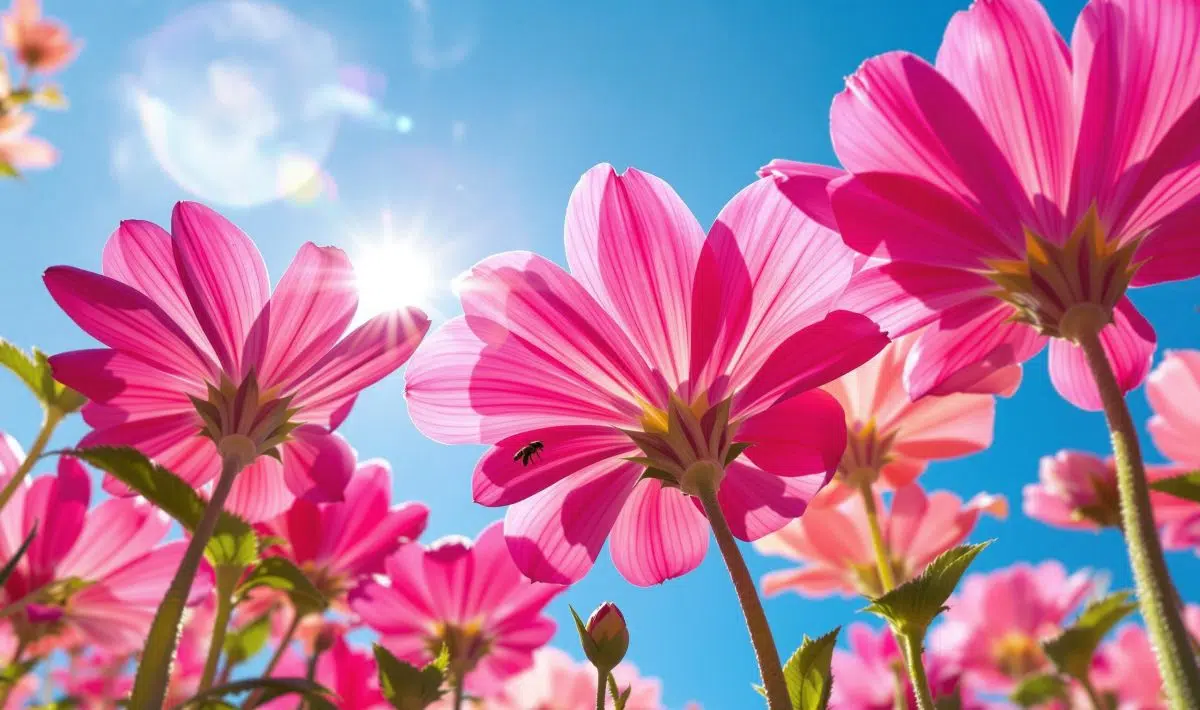
As global temperatures rise, gardeners face unprecedented challenges in maintaining vibrant landscapes. Heatwaves that once seemed exceptional now occur with alarming regularity, testing even the hardiest plants. Yet certain species have evolved remarkable adaptations to thrive in extreme conditions, offering hope for resilient gardens. These heat-tolerant flowers not only survive intense temperatures but often bloom more vibrantly during periods of drought, making them essential choices for modern gardeners.
Adaptation strategies of heat-resistant plants
Heat-tolerant flowers employ specialized biological mechanisms to conserve water and protect themselves from thermal stress. These adaptations range from structural modifications to symbiotic relationships, enabling survival in environments where other plants would perish.
Deep root systems and drought resistance
Plants like Black-Eyed Susan (Rudbeckia hirta) and Coreopsis verticillata develop extensive root networks to access deep groundwater reserves. These roots allow them to survive prolonged dry spells by tapping into moisture stored in subsoil layers. This adaptation proves particularly effective in regions experiencing seasonal droughts, as the plants remain hydrated even when surface soil becomes parched.
[smartquiz]
Thick, waxy leaves for water retention
Succulents such as Sedum (Sedum spp.) and Prickly Pear Cactus (Opuntia spp.) store water in their fleshy leaves and stems. A waxy coating on their surfaces reduces transpiration, minimizing water loss during intense heat. This strategy enables them to thrive in arid environments where other plants would quickly dehydrate.
Symbiotic relationships with pollinators
Passion Flower (Passiflora spp.) and Mandevilla (Mandevilla spp.) maintain relationships with specific pollinators like butterflies and hummingbirds. These partnerships ensure continued reproduction even during heatwaves, as pollinators remain active in warm conditions. The flowers’ vibrant colors and nectar-rich blooms attract these pollinators, creating a mutually beneficial ecosystem.
Top heat-tolerant perennials for gardens
Gardeners seeking low-maintenance, climate-resilient plants have numerous options. These perennials combine aesthetic appeal with exceptional heat tolerance, making them ideal for sun-drenched landscapes.
Black-Eyed Susan: Bright blooms in extreme conditions
This daisy-like flower (Rudbeckia hirta) produces golden petals with dark centers, blooming from mid-summer through fall. Native to North America, it thrives in poor soil and full sun, requiring minimal watering once established. Its drought resistance makes it a top choice for water-conscious gardeners.
Creeping Phlox: Evergreen ground cover
Phlox subulata forms dense mats of needle-like foliage that remain green year-round. While it blooms primarily in spring, the plant’s foliage withstands summer heat, making it ideal for slopes and rock gardens. Its low-growing habit and spreading nature allow it to outcompete weeds in challenging conditions.

Coreopsis verticillata: Metallic blue bracts
This thistle-like perennial produces lavender-blue bracts that intensify in color during summer. Its stiff stems and drought-resistant roots enable it to survive in poor soil, adding striking texture to gardens. The plant’s ability to retain seedheads through autumn extends its visual interest.
Ornamental grasses thriving in extreme conditions
Ornamental grasses offer structural beauty and exceptional heat tolerance, making them valuable additions to modern landscapes. Their ability to survive in poor soil and full sun positions them as ideal choices for challenging environments.
Pink Muhly Grass: Fluffy pink plumes
Muhlenbergia capillaris produces delicate pink plumes in late summer, creating a “pink cloud” effect. Native to the southeastern U.S., it tolerates salt spray, deer grazing, and extreme heat. The grass requires minimal watering once established and grows well in sandy or loamy soils.
Low maintenance and aesthetic appeal
Ornamental grasses like Pink Muhly Grass require no fertilization and minimal pruning. Their foliage remains attractive through winter, providing seasonal interest before being cut back in spring. This low-maintenance profile makes them particularly appealing for busy gardeners.
Succulents and cacti: Nature’s water conservation experts
Succulents and cacti have evolved to store water in their stems and leaves, enabling them to survive in arid environments. These plants serve as living examples of evolutionary adaptation to extreme conditions.
Stem and leaf water storage
Sedum (Sedum spp.) and Prickly Pear Cactus (Opuntia spp.) store water in their fleshy tissues, allowing them to survive months without rain. Their thick, waxy coatings reduce transpiration, minimizing water loss. This adaptation makes them ideal for container gardens in hot climates.
Spiny exterior for sun protection
Cacti like Prickly Pear use sharp spines to reflect sunlight and deter herbivores. The spines also create a microclimate around the plant, reducing air circulation and further minimizing water loss. This combination of structural and behavioral adaptations ensures survival in the harshest conditions.
Tropical plants for intense heat
Tropical species thrive in high temperatures and humidity, making them perfect for warm-weather gardens. These plants often require more water than succulents but compensate with vibrant blooms and rapid growth.
Angelonia: Drought-tolerant tropical blooms
Angelonia angustifolia produces upright spikes of purple, pink, or white flowers. Native to Central America, it tolerates temperatures exceeding 100°F (38°C) and requires infrequent watering. Its drought resistance makes it suitable for areas with irregular rainfall.
Tropical Hibiscus: Large, showy flowers
Hibiscus plants (Hibiscus spp.) thrive in full sun and well-draining soil, producing massive blooms in shades of pink, orange, and red. While they prefer consistent moisture, they can survive brief droughts due to their deep root systems. Their large flowers attract pollinators and add tropical flair to gardens.
Practical tips for growing heat-resistant flowers
Successful cultivation of heat-tolerant plants requires understanding their specific needs. By following these guidelines, gardeners can maximize their plants’ resilience and beauty.
Full sun exposure and soil selection
Most heat-tolerant plants require full sun (6+ hours of direct sunlight) to thrive. They perform best in well-draining soil—sandy or loamy mixes that prevent waterlogging. Avoid heavy clay soils, which retain excess moisture and can lead to root rot.
Watering techniques for drought resistance
Water plants deeply but infrequently to encourage deep root growth. For example, Pink Muhly Grass should receive water only when the top 2-3 inches of soil dry out. Overwatering can weaken plants, making them more susceptible to heat stress.
Winter care for perennial survival
In temperate climates, leave foliage standing through winter to protect crowns from frost. Cut back plants in early spring to stimulate new growth. This practice applies to perennials like Creeping Phlox and Coreopsis verticillata, which regrow vigorously after winter.
The future of gardening in a warming world
As climate change intensifies, heat-tolerant plants will become increasingly essential for sustainable landscaping. Their adoption reflects a broader shift toward climate-resilient gardening practices.
Climate change and gardening trends
Rising temperatures are altering traditional growing zones, pushing gardeners to adopt plants suited to warmer conditions. Heat-tolerant species like Sedum and Angelonia are gaining popularity as gardeners adapt to new climatic realities.
Sustainable landscaping practices
Prioritizing drought-resistant plants reduces water consumption, aligning with environmental sustainability goals. These plants also support local pollinators, enhancing ecosystem health. By choosing heat-tolerant species, gardeners contribute to both personal and planetary resilience.
Heat-tolerant flowers demonstrate remarkable resilience in the face of extreme temperatures, offering gardeners a way to maintain beauty and biodiversity during climate challenges. From succulents like Sedum to tropical blooms like Angelonia, these plants employ diverse strategies to survive and thrive. By understanding their adaptations and cultivation needs, gardeners can create vibrant, climate-resilient landscapes that endure even the most intense heatwaves.

Allan is a lifelong gardening enthusiast who still gets excited when the first seedlings pop up in spring. With a deep love for nature and a hands-in-the-soil approach, he shares practical tips, plant discoveries, and clever tricks picked up over years of digging, planting, and observing. Whether you’re a new gardener or have a shed full of tools, Allan writes like a neighbor who’s always happy to swap cuttings and stories over the fence.
You can find more about Allan’s work on Malt or connect with him on LinkedIn.


Wow, heatproof and stunning! just what my garden needs to stay bright all summer. can’t wait to try some of these resilient beauties! 🌼
Love it!
This is amazing! finally, my garden won’t wilt in every heatwave. so excited to fill my yard with these resilient blooms and enjoy nonstop color. 🌼🌿
What are some examples of these heat-tolerant flowers you’re talking about?
Wow, stunning! definitely trying these in my garden. can’t wait to see those resilient blooms thrive all season long! 🌼
What are some examples of these heat-tolerant flowers? i’m looking to add some to my garden for the summer.
What are some examples of these heat-tolerant flowers you recommend for a garden?
Wow, nature’s resilience! floral fans 🌾
🌷 Kewl flowers
What are some examples of these heat-tolerant flowers, and do they require any special care to thrive during really hot weather?
Interesting read. i’m curious how these flowers manage to handle such intense weather while others don’t. it’d be nice to try some in my garden next summer!
Sounds perfect! 😊
Love it! 🌸
It’s interesting that some flowers can handle the heat so well. might be worth considering them for a garden in hot climates. i wonder how they affect local ecosystems though.
🌼 Nature resilience wow
Wow, those flowers are incredible! it’s amazing they thrive even in intense heat. nature never ceases to surprise me! 🌼🌞
Do these heat-tolerant flowers require less water too, or just handle the heat better?