
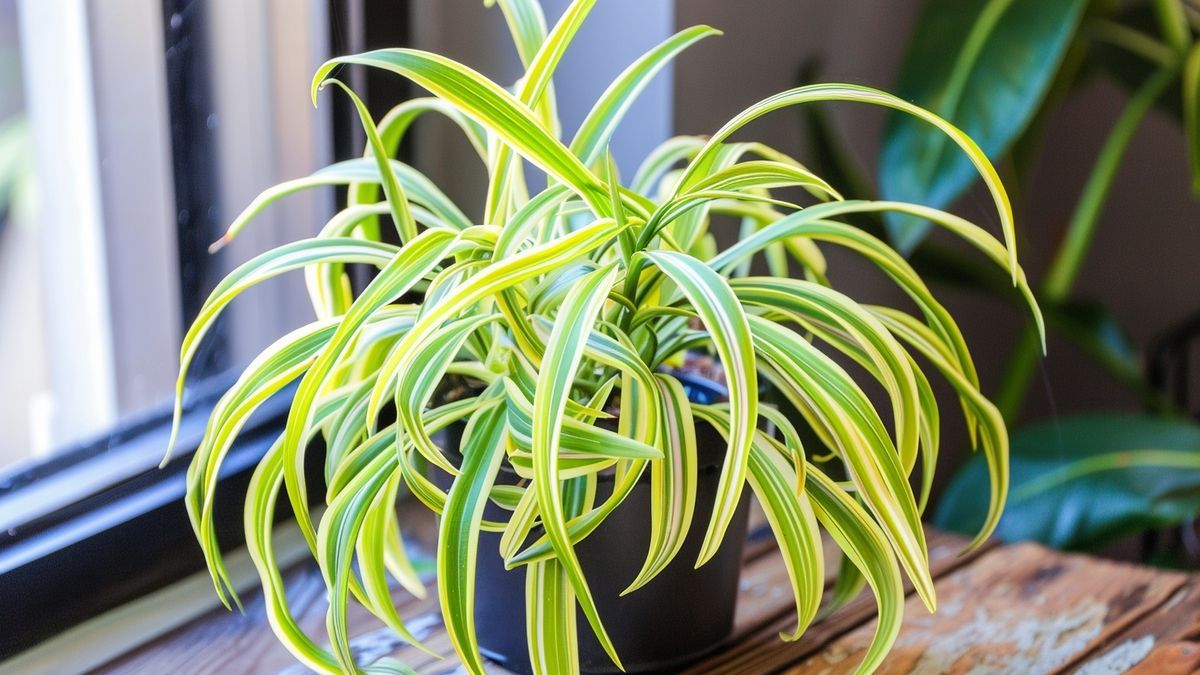
Mold is a common issue in many homes, often resulting from high humidity and poor ventilation. One effective way to combat mold is by using plants that thrive in humid environments and help purify the air. Here, we explore six window plants that can assist in preventing mold in your home.
Choosing The Right Plants
When selecting plants to help prevent mold, it’s essential to choose varieties that are humidity-loving and have air-purifying properties. These plants not only add aesthetic value to your home but also contribute to a healthier indoor environment.
Plants like the Peace Lily and Golden Pothos are popular choices for bathrooms and kitchens, where humidity levels are typically higher. The Peace Lily is known for its beautiful white blooms and ability to purify the air, making it an excellent choice for areas prone to moisture buildup. However, it is toxic to humans and pets if ingested, so it should be kept out of reach.
The Golden Pothos, on the other hand, is easy to care for and can thrive in low to bright indirect sunlight. It prefers high humidity, which makes it ideal for bathrooms, but it requires regular misting to prevent leaf browning.
Understanding Mold Prevention
To effectively prevent mold, it’s crucial to understand the conditions that foster its growth. Mold thrives in environments with high humidity and poor ventilation. By maintaining indoor humidity levels between 30% and 60%, you can significantly reduce the risk of mold growth. Using plants that prefer humid conditions can help absorb excess moisture, thereby contributing to a mold-free environment.
Effective Window Plants For Mold Prevention

Here are six window plants that can help prevent mold in your home:
-
Peace Lily: Known for its air-purifying properties, the Peace Lily is a popular choice for bathrooms. It thrives in humid environments and can help reduce moisture levels.
-
Golden Pothos: This plant is easy to care for and prefers high humidity, making it ideal for bathrooms. It helps purify the air and can thrive in low to bright indirect sunlight.
-
Kangaroo Fern: This fern is low-light tolerant and prefers high humidity, making it suitable for bathrooms. It is also pet-safe, which is a plus for households with pets.
-
Boston Fern: The Boston Fern loves humidity and can add a lush, tropical feel to your bathroom. It requires occasional sunlight and regular misting to thrive.
-
Hypoestes Pink Splash: This small, colorful plant is air-purifying and ideal for small spaces. It helps remove mold and mildew from the air, making it a great addition to bathrooms.
-
Majesty Palm: While it prefers sunny locations, the Majesty Palm can also thrive in bathrooms with adequate humidity. It helps purify the air and adds a touch of elegance to any room.
Plant Care Tips
To ensure these plants effectively help prevent mold, proper care is essential. Here are some tips:
- Humidity Management: Most of these plants prefer high humidity, so regular misting is necessary, especially in drier environments.
- Lighting Conditions: Ensure that plants receive the appropriate amount of light. Some plants, like the Peace Lily, can thrive in low light, while others, like the Majesty Palm, prefer brighter conditions.
- Watering: Avoid overwatering, as this can lead to root rot and other plant diseases. Use well-draining soil to prevent waterlogged soil conditions.
Maintaining A Mold-Free Environment
While plants can help reduce moisture and purify the air, they are part of a broader strategy to prevent mold. Here are some additional steps you can take:
Controlling Humidity Levels
Using dehumidifiers in damp areas like basements and bathrooms can help maintain optimal humidity levels. Regularly empty and clean these devices to ensure they function effectively.
Ensuring Proper Ventilation
Install exhaust fans in kitchens and bathrooms to vent steam outside. This helps reduce moisture accumulation and prevents mold growth.
Fixing Leaks Promptly
Regularly inspect your home for signs of leaks in roofs, walls, and plumbing systems. Addressing these issues promptly is crucial to preventing moisture buildup and mold growth.
Using Mold-Resistant Products
When renovating or building, opt for mold-resistant materials like drywall and paints. These products are designed to withstand moisture and deter mold growth.
Incorporating window plants that thrive in humid environments can be a valuable addition to your mold prevention strategy. By combining these plants with good ventilation, humidity control, and prompt leak repair, you can significantly reduce the risk of mold in your home. Remember, maintaining a healthy indoor environment requires a multi-faceted approach, and these plants can play a vital role in enhancing air quality and reducing moisture levels.

Allan is a lifelong gardening enthusiast who still gets excited when the first seedlings pop up in spring. With a deep love for nature and a hands-in-the-soil approach, he shares practical tips, plant discoveries, and clever tricks picked up over years of digging, planting, and observing. Whether you’re a new gardener or have a shed full of tools, Allan writes like a neighbor who’s always happy to swap cuttings and stories over the fence.
You can find more about Allan’s work on Malt or connect with him on LinkedIn.


