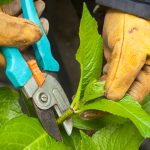
These plants typically flower on last year’s wood, making May an ideal time to prune after blooms fade. Proper pruning promotes new growth and prepares the plant for next year’s display.
Hydrangeas: Timing and technique
Hydrangeas benefit from pruning in late winter or early spring, but some varieties like Hydrangea macrophylla (bigleaf hydrangeas) may still be pruned in May if new growth hasn’t begun. Remove spent flowers and cut back leggy stems to encourage branching. For panicle hydrangeas (Hydrangea paniculata), prune one-third of the oldest stems to maintain structure.
Rhododendrons and azaleas: Post-bloom pruning
These acid-loving shrubs flower profusely in spring. After blooms drop, trim back leggy branches to maintain shape and promote new growth. Remove any dead or diseased wood, but avoid over-pruning, as this can reduce next year’s flowers.
Camellias: Immediate post-flowering care
Camellias flower in late winter to early spring. Prune immediately after blooming to avoid cutting off next year’s buds. Remove spent flowers and shape the plant to maintain airflow and sunlight penetration.
Perennial plants for dense growth
Perennials often require pruning to control size, encourage foliage, or promote secondary blooms. May is a prime time to shape these plants for a jungle-like canopy.
Japanese pieris: Encouraging colorful foliage
Japanese pieris (Pieris japonica) produces vibrant spring foliage that fades to green. After the colorful new growth matures, pinch or trim back tips to stimulate a second flush of colorful leaves. This technique extends the plant’s ornamental value.
Ornamental brooms: Managing flowering cycles
Ornamental brooms (Cytisus hybrids) flower on previous year’s wood. After blooming, cut stems back to 6–9 inches from the ground to encourage vigorous new growth. This aggressive pruning triggers a burst of flowering stems the following year.
Daylilies and hostas: Strategic trimming
Daylilies and hostas benefit from removing dead foliage and dividing overgrown clumps in May. For daylilies, trim back foliage to about half its height to redirect energy to roots and new growth. Hostas should have dead leaves removed to prevent disease and encourage healthy regrowth.
Fruit trees and woody plants
Pruning fruit trees and vines in May balances productivity with plant health. Timing is crucial to avoid disrupting sap flow or inviting disease.
Fruit trees: Balancing production and health
Prune fruit trees like apples, pears, or cherries after they finish flowering. Remove dead, diseased, or crossing branches to improve air circulation and sunlight penetration. Avoid heavy pruning, as this can reduce fruit yield.
Vines and climbers: Controlling spread and shape
Climbing plants like clematis or wisteria require pruning to manage their vigorous growth. For early-flowering clematis (Group 1), trim back dead stems after blooming. For late-flowering varieties (Groups 2 and 3), prune in late winter or early spring, but light shaping in May can refine their structure.
Maintenance tips for optimal results
Proper tools, timing, and complementary practices ensure pruning efforts yield the best results.
Tools and safety: Essential pruning practices
Use sharp, clean tools to prevent spreading disease. Disinfect pruners between cuts on diseased plants. For large branches, make angled cuts to prevent water pooling.
Timing considerations: Avoiding sap flow and disease
Prune deciduous trees after they’ve finished flowering but before sap flow intensifies. Avoid pruning during wet weather to reduce fungal risks. For evergreens, prune in cooler parts of the day to minimize stress.
Complementary practices: Mulching and watering
After pruning, mulch around plants to retain moisture and suppress weeds. Water deeply but infrequently to encourage deep root growth. Fertilize lightly with a balanced formula to support new foliage.
Pruning in May is a powerful tool for shaping a lush, jungle-like garden. By targeting spring-blooming shrubs, perennials, and woody plants, gardeners can redirect energy into foliage and future blooms. Strategic cuts, combined with proper care, create a dense, vibrant landscape that thrives through the growing season.
Allan is a lifelong gardening enthusiast who still gets excited when the first seedlings pop up in spring. With a deep love for nature and a hands-in-the-soil approach, he shares practical tips, plant discoveries, and clever tricks picked up over years of digging, planting, and observing. Whether you’re a new gardener or have a shed full of tools, Allan writes like a neighbor who’s always happy to swap cuttings and stories over the fence.
You can find more about Allan’s work on Malt or connect with him on LinkedIn.