The creeping ground cover that replaces grass – and grows almost by itself
Traditional lawns face growing criticism for their environmental impact and maintenance demands. Rising water costs, drought concerns, and the desire for low-maintenance landscaping have driven homeowners to explore alternatives like creeping thyme. This aromatic ground cover offers a sustainable solution, requiring minimal upkeep while providing a lush, walkable surface.
Creeping thyme thrives in dry, well-draining soils and tolerates drought better than conventional grass. Unlike thirsty turf, it reduces water usage, making it ideal for regions with water restrictions. Its deep roots and low growth habit minimize evaporation, further conserving resources.
Reduced Chemical Use and Labor
Lawns often rely on herbicides, fertilizers, and frequent mowing. Creeping thyme eliminates these needs, as it naturally suppresses weeds and requires no mowing. This shift aligns with eco-conscious trends, lowering long-term costs and environmental harm.
Creeping Thyme: The Low-Maintenance Lawn Alternative
Creeping thyme (Thymus serpyllum) has emerged as a top contender for replacing grass. Its spreading rhizomes, aromatic foliage, and drought tolerance make it a practical choice for footpaths, patios, and small lawns.
Key Advantages Over Traditional Grass
No mowing required: Unlike grass, creeping thyme grows only 6 inches tall and doesn’t need regular trimming.
Foot traffic tolerance: While less durable than grass, it withstands moderate use, making it suitable for walkways.
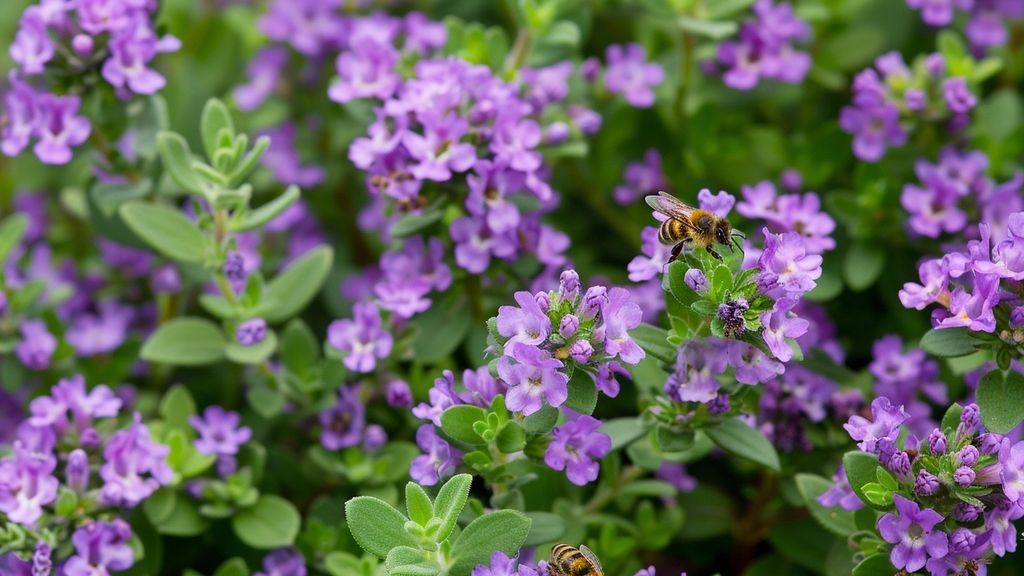
Year-round interest: Evergreen foliage stays green except during summer blooms, when pink flowers attract pollinators.
Sensory appeal: Its minty fragrance enhances outdoor spaces and deters pests like deer and rabbits.
How to Plant and Maintain a Creeping Thyme Lawn
Establishing a creeping thyme lawn involves careful preparation and initial care. Below are the steps to ensure success:
Planting Steps for Optimal Growth
Soil preparation: Test pH levels and amend to 6.5–7.5. Improve drainage with compost if needed.
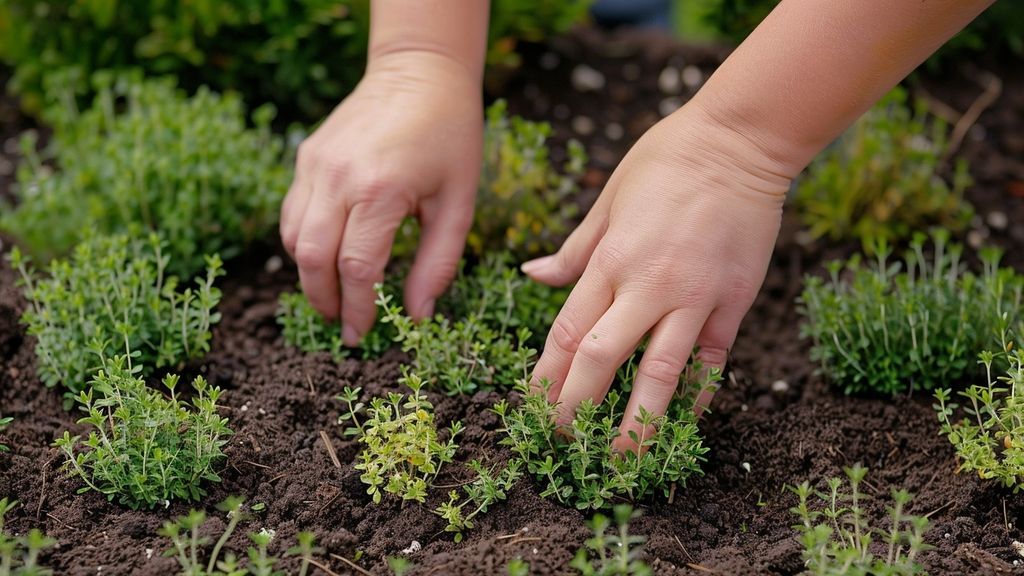
Spacing: Plant plugs 12 inches apart to allow spreading without overcrowding.
Watering: Keep soil moist during establishment, then reduce watering once roots develop.
Ongoing Care Tips
Weed control: Mulch between plugs initially and remove weeds promptly to prevent competition.
Pruning: Trim woody stems in early spring and after flowering to maintain shape.
Winter care: Cut back leggy stems by half after the first frost to promote healthy regrowth.
Comparing Creeping Thyme to Other Ground Covers
While creeping thyme excels in low-maintenance scenarios, other options like sand dune sedge and clover offer different benefits. Below is a breakdown of their pros and cons:
Ground Cover
Pros
Cons
Creeping Thyme
Aromatic, drought-tolerant, no mowing
Less foot traffic tolerance
Sand Dune Sedge
Resembles grass, vigorous spread
Requires occasional mowing
Clover
Nitrogen-fixing, weed-resistant
Shorter lifespan, less dense
When to Choose Creeping Thyme
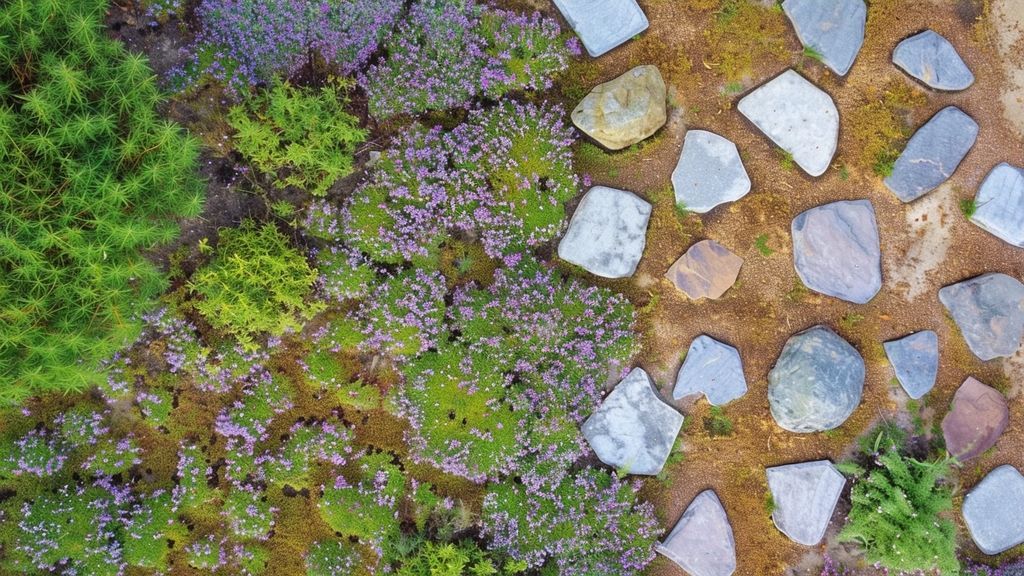
Opt for creeping thyme in full-sun areas with well-draining soil. Avoid it in shaded or poorly drained sites, where it may struggle. For high-traffic zones, consider combining it with pavers or stepping stones to protect the plants.
Environmental and Economic Benefits
Adopting creeping thyme offers long-term ecological and financial advantages:
Ecological Impact
Pollinator support: Summer blooms attract bees, boosting local biodiversity.
Soil health: Deep roots improve soil structure, reducing erosion and runoff.
Carbon sequestration: While less than grass, its dense growth still captures CO₂.
Cost Savings
Initial investment: Higher upfront costs for plugs, but no recurring expenses for mowing or chemicals.
Water bills: Reduced irrigation needs lower long-term water costs.
Challenges and Considerations
Despite its benefits, creeping thyme isn’t perfect. Homeowners should weigh these factors:
Potential Drawbacks
Invasive risk: Check local regulations, as some ground covers spread aggressively.
Initial labor: Planting plugs and weeding require effort during establishment.
Limited shade tolerance: Performs poorly in shaded areas, limiting its versatility.
Mitigating Risks
Containment: Use physical barriers to prevent spread into unwanted areas.
Companion planting: Pair with drought-tolerant plants like lamb’s ear or stonecrop for varied texture.
The Future of Lawn Alternatives
Creeping thyme represents a growing trend toward sustainable landscaping. As climate change intensifies, demand for water-efficient, low-maintenance options will likely rise. While not a perfect replacement for grass, it offers a viable solution for eco-conscious homeowners willing to adapt their expectations.
By prioritizing functionality over aesthetics, creeping thyme redefines what a “lawn” can be—proving that beauty and practicality need not conflict.
Allan is a lifelong gardening enthusiast who still gets excited when the first seedlings pop up in spring. With a deep love for nature and a hands-in-the-soil approach, he shares practical tips, plant discoveries, and clever tricks picked up over years of digging, planting, and observing. Whether you’re a new gardener or have a shed full of tools, Allan writes like a neighbor who’s always happy to swap cuttings and stories over the fence.
You can find more about Allan’s work on Malt or connect with him on LinkedIn.