
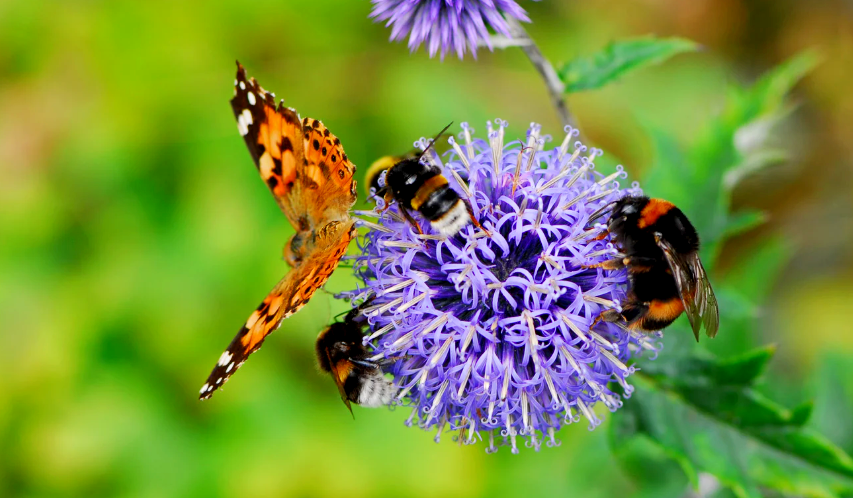
This One Plant Attracts Pollinators Like Crazy
Pollinators are the unsung heroes of ecosystems, enabling plant reproduction and food production. Yet, habitat loss and pesticides threaten their populations. Enter pollinator-friendly plants—nature’s solution to supporting these vital insects. Among them, certain species stand out for their exceptional ability to draw bees, butterflies, and hummingbirds. These plants aren’t just decorative; they’re lifelines for biodiversity.
Pollinators like bees and butterflies are crucial for ecosystem health and agricultural productivity. Over 75% of flowering plants rely on pollinators, and one-third of global food crops depend on them. However, habitat fragmentation and pesticide use have led to declining pollinator populations. Planting pollinator-friendly species helps counteract this trend by providing nectar-rich flowers and safe habitats.
Key benefits of pollinator plants include:
- Supporting local pollinator populations
- Enhancing garden biodiversity
- Boosting crop yields in vegetable gardens
- Creating low-maintenance, eco-friendly landscapes
Top Plants That Attract Pollinators
Alyssum: A Ground-Covering Powerhouse
Alyssum’s tiny, fragrant flowers in white, pink, or purple make it a bee magnet. This low-growing perennial thrives in USDA zones 5–9 and tolerates full sun to partial shade. Gardeners often use it as a living mulch under tomatoes or peppers, where it retains soil moisture and suppresses weeds.
Why it works:
- Blooms in both warm and cool seasons, extending pollinator support
- Requires minimal care and adapts to poor soil
- Attracts honeybees and native bees
Fuchsia: A Hummingbird Favorite
Fuchsia’s vibrant, pendant-like flowers are a nectar-rich treat for hummingbirds and bees. Hardy in zones 10–11, it prefers partial shade and moist, well-draining soil. Its edible blossoms add a pop of color to salads or desserts.
Growing tips:
- Use in containers for colder climates
- Prune regularly to encourage new blooms
- Pair with shade-tolerant companions like ferns
Salvia: Drought-Tolerant and Resilient
Salvia’s tall, tubular spikes of blue-purple flowers attract long-tongued bees and butterflies. Suitable for zones 4–8, it thrives in full sun and tolerates drought once established. Its upright growth makes it ideal for borders or cut-flower arrangements.
Pollinator appeal:
- Provides pollen and nectar for multiple bee species
- Attracts beneficial wasps and predatory insects
- Requires minimal watering in mature plants
Borage: A Bee Magnet with Medicinal Uses
Borage’s star-shaped blue flowers are a honeybee hotspot, while its fuzzy stems and leaves attract native pollinators. Thriving in poor soil, it’s easy to grow from seed and adds a peppery flavor to salads.
Unique benefits:
- Repels pests like aphids and nematodes
- Self-seeds readily, creating a pollinator-friendly carpet
- Attracts ladybugs and lacewings
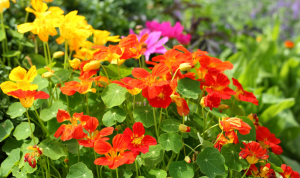
Nasturtiums: Companion Plants and Pest Deterrents
Nasturtiums’ bright flowers and spicy leaves serve dual purposes: attracting hummingbirds and repelling aphids. Plant them near broccoli or kale to protect crops from pests. Their late-blooming habit extends pollinator support into fall.
Growing advantages:
- Tolerates poor soil and drought
- Edible flowers add color to dishes
- Requires no staking or pruning
Cornflowers: Ladybug Magnets
Cornflowers’ vibrant blooms attract ladybugs, which devour aphids and other pests. These annuals thrive in poor soil and reseed freely, creating a pollinator-friendly meadow. Their dried flowers also make decorative arrangements.
Pollinator-friendly traits:
- Attracts bees, butterflies, and beneficial insects
- Low maintenance and drought-tolerant
- Ideal for wildflower gardens or borders
Red Valerian: A Crimson Pollinator Magnet
Red Valerian’s tiny crimson flowers attract butterflies and bees in USDA zones 4–8. Its upright growth and long blooming season make it a staple in pollinator gardens.
Cultivation notes:
- Prefers well-draining soil and full sun
- Attracts hummingbirds and native bees
- Requires occasional deadheading
How to Choose the Right Plants for Your Garden
Selecting pollinator plants involves considering climate, soil, and sunlight. Here’s how to optimize your choices:
Assessing Your Climate
- USDA zones: Check plant hardiness for your region (e.g., fuchsia thrives in zones 10–11, while salvia suits zones 4–8).
- Seasonal blooms: Mix plants with staggered flowering times to provide year-round nectar and pollen.
Soil and Sunlight Requirements
- Poor soil: Borage, cornflowers, and nasturtiums excel in nutrient-poor conditions.
- Full sun: Salvia and alyssum need 6+ hours of direct sunlight.
- Partial shade: Fuchsia and red valerian tolerate shade, especially in warmer climates[3

Allan is a lifelong gardening enthusiast who still gets excited when the first seedlings pop up in spring. With a deep love for nature and a hands-in-the-soil approach, he shares practical tips, plant discoveries, and clever tricks picked up over years of digging, planting, and observing. Whether you’re a new gardener or have a shed full of tools, Allan writes like a neighbor who’s always happy to swap cuttings and stories over the fence.
You can find more about Allan’s work on Malt or connect with him on LinkedIn.


I planted a bee balm in my garden last summer, and it’s like a party for bees and butterflies! didn’t expect such vibrant visitors, super fun to watch them all flutter around.
I planted lavender last spring, and it’s like a bee and butterfly hotspot now! can’t believe how effective it is at attracting them. my garden feels so alive these days.
Interesting read, it’s good to learn about plants that benefit pollinators. i’m curious about how it affects the local ecosystem overall. definitely something i’ll keep in mind for future gardening projects.
What’s the name of this amazing plant that attracts so many pollinators? would love to add it to my garden!
What specific plant is the article focusing on that attracts so many pollinators? looking to add more bee-friendly plants to my garden!
What’s the name of the plant that attracts so many pollinators? i’m looking to boost my garden’s bee traffic!
Sounds interesting! i might give it a try in my garden and see if it really attracts pollinators as much as claimed. worth experimenting, i guess.
I planted lavender last summer and it’s been amazing! the bees and butterflies love it, plus it smells so good. really brightened up my garden. 🐝🌸
Got some bee balm in my garden last year. almost lost track of time watching bees and butterflies go wild for it. nature’s little wonders, all thanks to one plant! was such a great addition.
What’s the name of this plant that attracts so many pollinators? would love to add it to my garden!
I added a buddleia to my garden last summer, and it was like magic! i was amazed at how many butterflies and bees showed up. it became a lively spot in just weeks.
Can’t wait to add this beauty to my garden! pollinators are gonna go wild for it. loving how plants like these support our buzzing friends so well! 🌼🐝
Adding milkweed to my garden was a total game changer! it transformed my backyard into a butterfly hotspot. can’t believe i’ve seen so many monarchs up close this summer! 🦋
What plant is it that attracts so many pollinators? i’m curious to add it to my garden!
Planted lavender last year and it brought all the bees and butterflies to my garden. it’s like instant nature magic!
What specific plant is best for attracting the most types of pollinators?
Love this insight! can’t wait to see my garden buzzing with life. nature just knows how to bring magic, right? time to get planting! 🐝🌺
Planted bee balm last summer, and omg, my garden turned into a buzzing paradise! bees and butterflies everywhere. honestly the best addition ever. 😍
Hi, what specific plant does the article mention that’s so effective at attracting pollinators? 🌱🐝 curious if it could work in a small urban garden!
🌸 Love it!
I’ve got to try this! 🌼 anything that brings in more pollinators is a win. my garden’s ready for a little boost of buzzing life. can’t wait to see the results!