Why is it important to use eggshells to nourish your plants?
Eggshells are often overlooked as a valuable resource for gardeners, but these kitchen scraps can provide numerous benefits to your plants. By repurposing eggshells, you can enhance soil structure, increase calcium levels, and promote healthier plant growth. In this article, we’ll explore the various ways to use eggshells for plants and how they can contribute to a thriving garden.
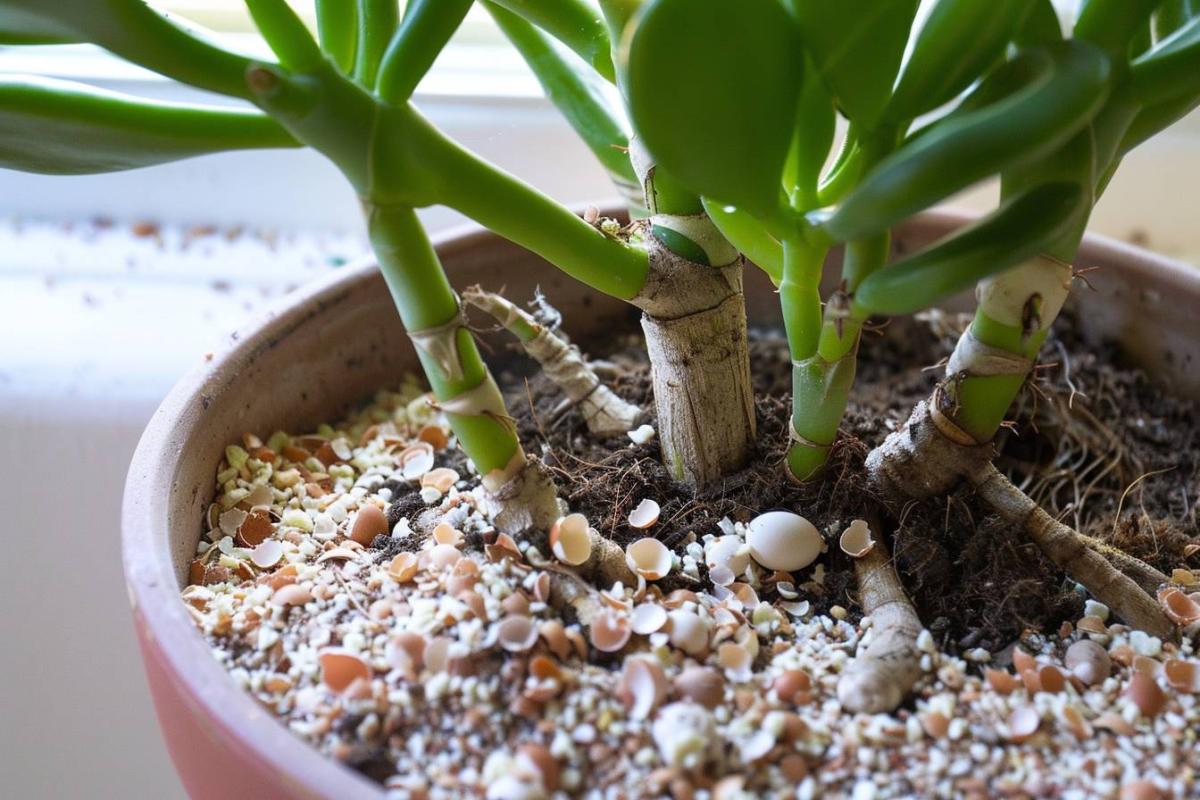
Understanding the benefits of eggshells for plants
Eggshells are composed primarily of calcium carbonate, making them an excellent source of nutrients for your garden. When incorporated into the soil, they offer several advantages :
Calcium boost : Eggshells slowly release calcium into the soil, which is essential for plant cell wall development. This is particularly beneficial for plants that are heavy calcium feeders, such as tomatoes and peppers.
Improved soil structure : Crushed eggshells can enhance soil texture, providing better aeration and drainage. This is especially useful in compacted soils or those with poor structure.
pH adjustment : Eggshells can help neutralize soil acidity, making them valuable for plants that prefer a more neutral pH level. This is particularly helpful in gardens with naturally acidic soil.
By utilizing eggshells in your garden, you can create a more favorable environment for plant growth while reducing kitchen waste. It’s an eco-friendly and cost-effective way to nourish your plants and revive your struggling garden.
Plants that benefit from eggshells
While many plants can benefit from the addition of eggshells to their soil, some species are particularly responsive to the calcium boost and improved soil structure. Here’s a list of plants that thrive with eggshell supplementation :
Tomatoes
Peppers
Eggplants
Broccoli
Cauliflower
Cabbage
Lettuce
Spinach
Strawberries
Blueberries
It’s worth noting that hydrangeas can also benefit from eggshells, especially in adjusting soil pH. However, be cautious when using eggshells with acid-loving plants, as they may alter the soil pH more than desired.
When using eggshells for plants like mother of thousands, which prefer well-draining soil, ensure that you crush the shells finely to prevent water retention issues.
Methods for using eggshells in your garden
There are several effective ways to incorporate eggshells into your gardening routine. Here are some popular methods :
1. Compost addition : Rinse and crush eggshells before adding them to your compost bin. They will break down over time, enriching your compost with calcium and other minerals.
2. Direct soil amendment : Finely crush clean, dry eggshells and work them directly into the soil around your plants. This method is particularly useful for container gardens or raised beds.
3. Eggshell tea : Steep crushed eggshells in water for several days to create a calcium-rich “tea” that can be used to water your plants.
4. Seed starters : Use half eggshells as biodegradable seed starters. Once the seedlings are ready to transplant, you can plant the entire eggshell in the garden.
5. Pest deterrent : Coarsely crushed eggshells scattered around plants can help deter soft-bodied pests like slugs and snails. This method can be particularly useful in combating lily leaf beetles naturally.
Method
Preparation
Application
Compost
Rinse and crush
Add to compost bin
Soil amendment
Clean, dry, and finely crush
Mix into soil
Eggshell tea
Crush and steep in water
Water plants with solution
Seed starters
Clean halved shells
Fill with soil and plant seeds
Pest deterrent
Coarsely crush
Scatter around plants
Tips for maximizing the benefits of eggshells in your garden
To ensure you’re getting the most out of your eggshells, consider these expert tips :
Proper preparation : Always clean eggshells thoroughly to remove any residual egg white, which can attract pests. Allow them to dry completely before crushing to prevent mold growth.
Crushing technique : The finer you crush the eggshells, the faster they’ll break down and release nutrients. Use a food processor or mortar and pestle for best results.
Gradual application : Introduce eggshells to your garden gradually. Start with small amounts and observe how your plants respond before increasing the quantity.
Soil testing : Before adding eggshells, test your soil’s pH and calcium levels. This will help you determine if your garden truly needs the calcium boost that eggshells provide.
Combine with other organic matter : For optimal results, use eggshells in conjunction with other organic amendments like compost or well-rotted manure.
By following these tips, you can effectively use eggshells to improve your soil and promote healthier plant growth. Remember that while eggshells are beneficial, they should be part of a comprehensive gardening approach that includes proper watering, fertilization, and pest management strategies.
In summary, eggshells are a valuable resource for gardeners looking to enhance their soil naturally. By understanding the benefits, identifying suitable plants, and employing proper application methods, you can transform these kitchen scraps into a powerful tool for nurturing your garden. So the next time you crack an egg, remember that its shell could be the key to unlocking your plants’ full potential.
Discover how eggshells can revolutionize your garden by providing essential nutrients and improving soil structure. Here’s what you need to know :
Allan is a lifelong gardening enthusiast who still gets excited when the first seedlings pop up in spring. With a deep love for nature and a hands-in-the-soil approach, he shares practical tips, plant discoveries, and clever tricks picked up over years of digging, planting, and observing. Whether you’re a new gardener or have a shed full of tools, Allan writes like a neighbor who’s always happy to swap cuttings and stories over the fence.
You can find more about Allan’s work on Malt or connect with him on LinkedIn.