Why You Should Add Copper Pennies To Your Bird Bath (It’s Not What You Think)
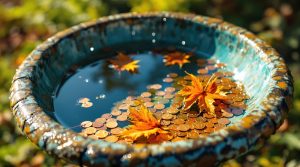
Adding copper pennies to bird baths has become a popular hack for reducing algae, but the science and practicality behind this method are more nuanced than many realize. While some experts and enthusiasts swear by its effectiveness, others caution that it’s no substitute for rigorous maintenance. As bird-friendly landscaping gains traction, understanding the role of copper—and its limitations—becomes crucial for creating sustainable habitats.
Copper’s natural antimicrobial properties make it a candidate for controlling algae growth. When submerged, copper releases ions that disrupt algae’s cellular processes, slowing its proliferation. This principle underpins both copper birdbaths and the penny hack. However, the method’s efficacy depends on several factors:
Key considerations for copper’s impact:
Material concentration: A single penny releases minimal copper ions, requiring multiple pennies for noticeable effects.
Water volume: Larger baths may need more pennies to achieve sufficient ion concentration.
Water flow: Stagnant water reduces copper’s effectiveness, as ions settle rather than circulate.
While copper baths (like the Good Directions Fired Copper Bird Bath) inherently release ions, pennies provide a cheaper alternative. However, neither method eliminates the need for regular cleaning.
Practical Applications And Maintenance
Implementing the copper penny method requires careful execution to maximize benefits:
How to use copper pennies effectively:
Placement: Position pennies in areas where water circulates, such as near fountain jets or under moving parts.
Quantity: Use 3–5 pennies per gallon of water, depending on algae severity.
Material: Ensure pennies are pre-1982 (95% copper) for optimal ion release.
Complementary maintenance practices:
Daily water changes: Replace 25–50% of water to prevent stagnation and dilute algae spores.
Brush cleaning: Use tools like the Songbird Essentials Brush to scrub algae from surfaces.
Shading: Partially shade baths to reduce sunlight, a primary algae growth driver.
[smartquiz]
Expert Perspectives On Copper’s Role
Holly Grant, a conservation biologist at Cornell Bird Lab, offers a balanced view: “Copper can help, but it’s not a magic bullet. Regular cleaning remains essential to prevent harmful organisms from thriving.” This aligns with research suggesting copper’s limitations:
Proponents argue:
Eco-friendly alternative: Avoids harsh chemicals, aligning with organic gardening principles.
Cost-effective: Pennies are inexpensive compared to commercial algaecides.
Critics counter:
Incomplete solution: Copper targets algae but doesn’t address nutrient buildup or bacteria.
Overlooked risks: Copper baths may harbor pathogens if not cleaned, posing risks to birds.
Alternatives To Copper-Based Methods
For those skeptical of copper’s efficacy, several alternatives offer robust algae control:
Solar-powered solutions:
Fountains: The Mademax Solar Bird Bath Fountain circulates water, preventing stagnation.
Pumps: Low-flow pumps maintain gentle movement without electricity costs.
Natural deterrents:
Barley straw: Releases compounds that inhibit algae growth when decomposed.
Shallow zones: Incorporate 1–2 inch deep areas for birds to drink safely, reducing standing water.
Debunking Common Misconceptions
Myths about copper pennies and birdbath maintenance persist, often leading to suboptimal practices:
Myth: “Copper pennies eliminate algae entirely.” Reality: They slow growth but require supplemental cleaning. Overreliance can lead to neglected baths.
Myth: “Other animals shouldn’t use the bath.” Reality: Grant emphasizes that sharing water benefits wildlife, especially during droughts. Birds can coexist with mammals if the bath’s design allows safe escape routes.
Myth: “Copper baths are maintenance-free.” Reality: All baths require scrubbing and water changes. Copper merely reduces, not removes, algae.
The Broader Ecological Impact
Beyond algae control, copper pennies highlight a larger conversation about sustainable bird-friendly practices:
Why this matters now:
Urbanization: Fragmented habitats make artificial water sources critical for wildlife.
Climate change: Droughts increase reliance on human-provided water, raising stakes for effective maintenance.
Strategic recommendations:
Combine methods: Pair copper pennies with solar fountains and barley straw for layered defense.
Monitor usage: Observe which species visit the bath to tailor design (e.g., shallow zones for small birds).
Adding copper pennies to bird baths can be a useful tool in managing algae, but it must be part of a holistic approach. By understanding copper’s limitations and integrating it with regular cleaning, water circulation, and natural deterrents, enthusiasts can create safer, more sustainable habitats. As Grant notes, “The best defense against algae is vigilance—not relying on a single hack.” For those committed to supporting avian life, this balanced strategy ensures their efforts yield lasting benefits for birds and the broader ecosystem.
Allan is a lifelong gardening enthusiast who still gets excited when the first seedlings pop up in spring. With a deep love for nature and a hands-in-the-soil approach, he shares practical tips, plant discoveries, and clever tricks picked up over years of digging, planting, and observing. Whether you’re a new gardener or have a shed full of tools, Allan writes like a neighbor who’s always happy to swap cuttings and stories over the fence.
You can find more about Allan’s work on Malt or connect with him on LinkedIn.
21 Replies to “Why You Should Add Copper Pennies To Your Bird Bath (It’s Not What You Think)”
I tried adding copper pennies to my bird bath last summer, and it was incredible! not only did unwanted algae build-up get reduced, but the birds seemed to love it more too.
Wow, never thought of that! using pennies in a bird bath is such a clever idea. can’t wait to try this and watch nature embrace it! 🐦
Interesting idea, never thought about copper in bird baths. worried it might change the water’s chemistry though. anyone tried this and noticed any effects?
Interesting idea. never thought about using pennies this way. wonder if it really helps keep the water cleaner? might give it a try in our bird bath.
Totally tried this with the bird bath at my folks’ backyard, and it worked like a charm. fewer algae now, plus it’s fun to see birds around those pennies. give it a shot! 🐦🖤
Wow, i never thought of that! adding copper pennies to birdbaths sounds like a clever hack for keeping algae at bay. thanks for the tip! happy birds, happy me. 😊
Interesting idea using copper pennies in a bird bath. i never considered how it might help with algae, but curious if it’s safe for the birds. anyone tried this and noticed a difference?
Huh, i didn’t know copper pennies could help keep a bird bath cleaner. kinda seems like an odd trick, but if it works to stop stuff from growing, maybe it’s worth a try?
Can copper pennies harm birds or is it safe for them to use the bird bath with these in there?
Interesting tip about copper pennies in bird baths, but i’m curious if it really helps deter bacteria. might give it a try though!
I tried tossing some old copper pennies into the bird bath, and it really kept algae at bay longer than usual. who would’ve thought they’d work so well!
Wow, never knew copper pennies could help keep my bird bath cleaner. definitely trying this tip!
Interesting read! do the pennies need to be a certain age or type of copper for it to work best, or will any old copper penny do the trick? curious about any side effects on birds.
I tried adding copper pennies to my bird bath, and it really made a difference! fewer algae buildups and the birds seem to love it. it’s a simple trick that’s surprisingly effective.
I tried putting a few copper pennies in my bird bath and it surprisingly helped keep algae away. who knew something so simple could make such a difference! birds seem happier too.
How often do you need to clean the bird bath if you’re using copper pennies for algae control? still as often, or does it help reduce maintenance?
I recently tried adding copper pennies to my bird bath after reading about it. birds seemed to enjoy the fresher water. added bonus, no more algae cleanup!
Interesting idea, wasn’t aware copper could help keep a bird bath cleaner. not sure how i feel about adding pennies, but worth considering i guess.
Interesting tip!
Such a cool tip! i had no idea about the effect of copper pennies on algae. can’t wait to try this in our bird bath and see how it works out. thanks for sharing!
Interesting idea, hadn’t thought about using pennies like this. wonder if it really makes a difference or if it’s just decorative.




I tried adding copper pennies to my bird bath last summer, and it was incredible! not only did unwanted algae build-up get reduced, but the birds seemed to love it more too.
Wow, never thought of that! using pennies in a bird bath is such a clever idea. can’t wait to try this and watch nature embrace it! 🐦
Interesting idea, never thought about copper in bird baths. worried it might change the water’s chemistry though. anyone tried this and noticed any effects?
Interesting idea. never thought about using pennies this way. wonder if it really helps keep the water cleaner? might give it a try in our bird bath.
Totally tried this with the bird bath at my folks’ backyard, and it worked like a charm. fewer algae now, plus it’s fun to see birds around those pennies. give it a shot! 🐦🖤
Wow, i never thought of that! adding copper pennies to birdbaths sounds like a clever hack for keeping algae at bay. thanks for the tip! happy birds, happy me. 😊
Interesting idea using copper pennies in a bird bath. i never considered how it might help with algae, but curious if it’s safe for the birds. anyone tried this and noticed a difference?
Huh, i didn’t know copper pennies could help keep a bird bath cleaner. kinda seems like an odd trick, but if it works to stop stuff from growing, maybe it’s worth a try?
Can copper pennies harm birds or is it safe for them to use the bird bath with these in there?
Interesting tip about copper pennies in bird baths, but i’m curious if it really helps deter bacteria. might give it a try though!
I tried tossing some old copper pennies into the bird bath, and it really kept algae at bay longer than usual. who would’ve thought they’d work so well!
Wow, never knew copper pennies could help keep my bird bath cleaner. definitely trying this tip!
Interesting read! do the pennies need to be a certain age or type of copper for it to work best, or will any old copper penny do the trick? curious about any side effects on birds.
I tried adding copper pennies to my bird bath, and it really made a difference! fewer algae buildups and the birds seem to love it. it’s a simple trick that’s surprisingly effective.
I tried putting a few copper pennies in my bird bath and it surprisingly helped keep algae away. who knew something so simple could make such a difference! birds seem happier too.
How often do you need to clean the bird bath if you’re using copper pennies for algae control? still as often, or does it help reduce maintenance?
I recently tried adding copper pennies to my bird bath after reading about it. birds seemed to enjoy the fresher water. added bonus, no more algae cleanup!
Interesting idea, wasn’t aware copper could help keep a bird bath cleaner. not sure how i feel about adding pennies, but worth considering i guess.
Interesting tip!
Such a cool tip! i had no idea about the effect of copper pennies on algae. can’t wait to try this in our bird bath and see how it works out. thanks for sharing!
Interesting idea, hadn’t thought about using pennies like this. wonder if it really makes a difference or if it’s just decorative.