
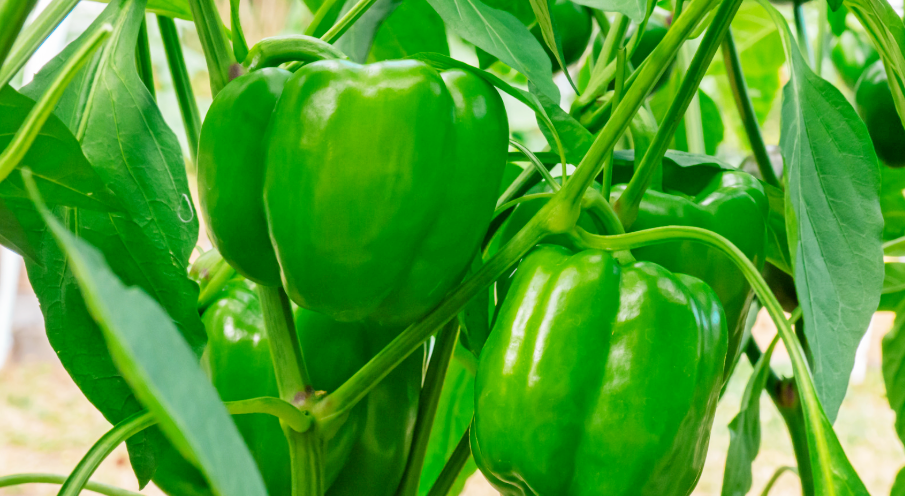
Pepper plants face numerous challenges that hinder growth, from fungal infections to environmental stressors. While these issues can be devastating, understanding their causes and implementing targeted solutions can revive struggling plants. This guide breaks down the most common problems and actionable steps to address them.
Common pepper diseases and their symptoms
Damping-off: seedling rot and prevention
Damping-off, caused by pathogens like Pythium, Phytophthora, and Fusarium, is a leading cause of seedling death. Infected plants collapse at the soil line, often mistaken for overwatering or salt damage. Prevention requires strict hygiene: use sterilized soil, avoid contaminated tools, and water without splashing to minimize pathogen spread.
Early blight: target-like leaf damage
Alternaria solani creates circular brown spots with yellow halos on lower leaves, resembling bullseye targets. Untreated, it defoliates plants and reduces yields. Remove infected foliage, improve air circulation, and apply copper-based fungicides as a last resort.
Fusarium wilt: vascular tissue damage
This soilborne fungus (Fusarium oxysporum) causes wilting during heat, yellowing leaves, and browning vascular tissue. Infected plants rarely recover, emphasizing the need for resistant varieties and crop rotation.
Leaf rot: humidity and airflow issues
Excess moisture and poor ventilation lead to leaf rot, especially in hydroponic setups. Symptoms include soft, brown spots that spread rapidly. Reduce watering frequency, ensure adequate airflow, and treat with neem oil if mild.
Environmental stressors and their impact
Hardening off: avoiding transplant shock
Moving indoor-grown seedlings directly outdoors often causes sunscald (bleached leaves) and stunted growth. Gradually expose plants to sunlight over 7–10 days, starting with shaded areas and increasing exposure.
Sunscald: protecting tender foliage
Newly transplanted plants lack UV resistance, leading to crispy, white leaf patches. Use shade cloth or row covers during peak sun hours until plants acclimate.
Watering practices: drip irrigation vs. overhead
Overhead watering promotes fungal growth by wetting leaves. Switch to drip irrigation to keep foliage dry, reducing disease risk while maintaining soil moisture.
Growing practices to optimize pepper health
Soil preparation: avoiding contaminated media
Use sterilized soilless mixes to prevent damping-off. Avoid reusing potting soil from previous crops, as it may harbor pathogens.
Airflow and spacing: preventing humidity buildup
Crowded plants create microclimates with high humidity, ideal for fungal growth. Space plants 18–24 inches apart and use fans to circulate air.
Nutrient management: avoiding overfertilization
Excessive nitrogen promotes leaf growth at the expense of fruiting. Feed plants with balanced fertilizers (e.g., 10-10-10) and monitor pH levels between 6.0–6.5.

Solutions and prevention strategies
Immediate actions for struggling plants
- Remove infected tissue: Cut off diseased leaves or stems to halt pathogen spread.
- Adjust watering: Reduce frequency and switch to drip irrigation to minimize moisture on foliage.
- Improve airflow: Install fans or reposition plants to enhance ventilation.
Long-term prevention methods
- Crop rotation: Rotate pepper beds every 3–4 years to break disease cycles.
- Resistant varieties: Choose pepper cultivars bred for disease resistance (e.g., ‘Better Belle’).
- Sanitation: Disinfect tools and containers with bleach solutions to prevent cross-contamination.
: Reviving pepper plants through targeted care
Pepper growth challenges often stem from preventable factors like improper watering, poor air circulation, or fungal infections. By adopting drip irrigation, hardening off seedlings, and practicing strict hygiene, growers can mitigate risks and nurture healthy, productive plants. Regular monitoring and proactive measures ensure even struggling plants recover, maximizing yields in both home gardens and commercial operations.

Allan is a lifelong gardening enthusiast who still gets excited when the first seedlings pop up in spring. With a deep love for nature and a hands-in-the-soil approach, he shares practical tips, plant discoveries, and clever tricks picked up over years of digging, planting, and observing. Whether you’re a new gardener or have a shed full of tools, Allan writes like a neighbor who’s always happy to swap cuttings and stories over the fence.
You can find more about Allan’s work on Malt or connect with him on LinkedIn.


Great tips! can’t wait to try them and finally get a bountiful pepper harvest this season!
Super helpful
Had a year where my peppers just wouldn’t grow. realized it was too much shade in the garden. moved them to a sunnier spot, and they thrived! sun really does make all the difference.
I once had the issue where my peppers stopped growing, and it turned out they weren’t getting enough sun. moved them to a sunnier spot, and they were happier and grew better!
Tried growing peppers last year, but they were always slow. turned out they were in too much shade. moved them to a sunnier spot and got a better yield!🫑😊
Tried growing peppers last summer but they just wouldn’t thrive. figured it was lack of sunlight so i moved them and boom! within a few weeks, they were full of life 🌞🌶️
I once realized my peppers were struggling because they weren’t getting enough sunlight. moved them to a sunnier spot and in no time, they perked up and started growing!
I’ve been struggling with my pepper plants lately. do you have any tips on how to identify if the problem is due to a fungal infection? and if it is, what’s the best way to treat it? thanks!
Interesting tips, might give some of them a try. my peppers have been stubborn too, but not sure if it’s the soil or the weather. worth experimenting, i guess!
Loved this! my peppers were super sluggish, but your tips were spot on. excited to get back in the garden and see them thrive. thanks for sharing! 🌶️🌱
Had the same issue last summer! realized i was overwatering. reduced the frequency and improved soil drainage. saw a big improvement pretty quick. good luck!
Any tips for dealing with blossom end rot in peppers?