
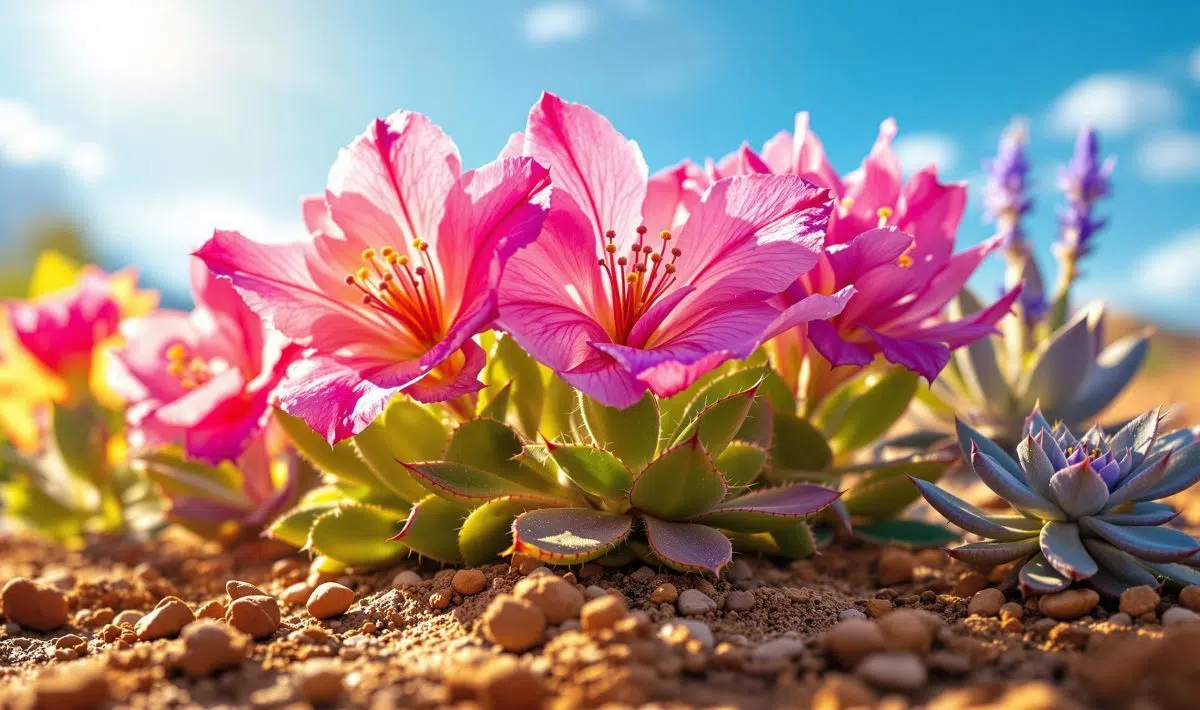
As summer heatwaves intensify, gardeners face challenges in maintaining vibrant landscapes without excessive water use. Drought-tolerant plants offer a sustainable solution, thriving in harsh conditions while delivering bold blooms. These species have evolved mechanisms to conserve water, such as deep root systems, waxy leaves, or small surface areas to minimize evaporation. Their resilience makes them ideal for regions experiencing prolonged dry spells or water restrictions.
What Makes a Plant Drought-Tolerant?
Plants adapted to arid environments often develop thick, fleshy stems or succulent leaves to store water internally. Others, like grasses, rely on deep taproots to access moisture underground. These traits allow them to survive weeks without rain, making them perfect for low-maintenance gardens.
Key Characteristics of Heat-Resistant Blooms
Heat-tolerant flowers typically exhibit bright, sun-reflecting colors (e.g., yellows, oranges) to reduce heat absorption. Many bloom in late summer or fall, aligning with peak temperatures, and attract pollinators like bees and butterflies. Their low water demands align with modern water conservation goals, appealing to eco-conscious gardeners.
[smartquiz]
Blanket Flower: A Fiery Summer Star
Gaillardia x grandiflora, commonly known as blanket flower, is a daisy-like perennial renowned for its vibrant red, orange, and yellow blooms. Native to North America, it thrives in full sun and sandy, well-draining soil, making it ideal for dry slopes or rock gardens.
Vibrant Blooms That Defy Heat
Blanket flowers produce long-lasting blooms from early summer to fall, even in temperatures exceeding 100°F. Their firework-like petals attract pollinators, while seed heads add decorative interest after flowering.
Ideal Growing Conditions
Plant blanket flowers in full sun (6+ hours daily) and well-draining soil to prevent root rot. Water sparingly once established, as overwatering can lead to disease. Pair them with drought-tolerant companions like yarrow or catmint for a resilient border.
Portulaca: The Resilient Succulent
Portulaca, or moss rose, is a fast-growing annual with succulent stems and delicate, papery blooms in shades of pink, yellow, and orange. Native to South America, it excels in containers or ground beds with poor soil quality.
Thriving in Dry Environments
Portulaca stores water in its thick stems and leaves, allowing it to survive weeks without irrigation. It performs best in full sun and well-draining soil, making it a top choice for patio pots or Mediterranean-style gardens.
Versatile Design Applications
Use portulaca as a spiller plant in hanging baskets or as a ground cover in dry areas. Its low-growing habit (3–6 inches tall) works well in edging or between pavers.
Yarrow: A Hardy Perennial for Hot Climates
Achillea millefolium, or yarrow, is a drought-tolerant perennial with feathery foliage and flat-topped clusters of tiny flowers in white, yellow, or red. Its deep taproots enable it to access moisture deep in the soil, reducing watering needs.
Drought Tolerance and Pollinator Appeal
Yarrow’s small, tightly packed blooms attract bees and butterflies while resisting pests like deer. It self-seeds freely, spreading naturally in sunny, dry areas.
Maintenance Tips for Optimal Growth
Prune yarrow after blooming to encourage new growth. Divide clumps every 3–4 years to maintain vigor. Pair it with coreopsis or blanket flower for a pollinator-friendly meadow.
Coreopsis: A Low-Maintenance Sun-Lover
Coreopsis, or tickseed, is a perennial daisy with bright yellow or pink blooms that thrive in poor soil and full sun. Its deep roots and drought resistance make it ideal for water-conscious landscapes.
Bright Blooms in Harsh Conditions
Coreopsis flowers from spring to fall, tolerating heat and neglect. Deadheading encourages repeat blooming, while its compact growth (12–36 inches tall) suits borders or containers.
Soil and Watering Requirements
Plant coreopsis in well-draining soil and full sun. Water deeply once or twice weekly during establishment, then reduce to monthly watering once mature.
Agave: A Sculptural Choice for Extreme Heat
Agave, a succulent rosette plant, features spiky, fleshy leaves and tall flower stalks with tubular blooms. Native to the Americas, it excels in arid climates but requires protection from frost.
Architectural Beauty in Arid Landscapes
Agave’s bold, sculptural form adds drama to desert gardens or modern landscapes. Its slow growth and low maintenance make it perfect for busy gardeners.
Care Considerations for Agave Species
Plant agave in full sun and well-draining soil. Avoid overwatering, as it can rot in moist conditions. Use gloves when handling, as leaves have sharp spines.
: Embracing Drought-Resistant Landscaping
Adopting drought-tolerant plants like blanket flower, portulaca, yarrow, coreopsis, and agave offers a practical solution to water scarcity and extreme heat. These species not only reduce irrigation needs but also provide vibrant blooms and ecological benefits, supporting pollinators and improving soil health. By prioritizing heat-resistant plants, gardeners can create resilient, sustainable landscapes that thrive even during the harshest summer months.

Allan is a lifelong gardening enthusiast who still gets excited when the first seedlings pop up in spring. With a deep love for nature and a hands-in-the-soil approach, he shares practical tips, plant discoveries, and clever tricks picked up over years of digging, planting, and observing. Whether you’re a new gardener or have a shed full of tools, Allan writes like a neighbor who’s always happy to swap cuttings and stories over the fence.
You can find more about Allan’s work on Malt or connect with him on LinkedIn.


Tried lavender in my garden during a totally hectic heatwave, and it thrived with zero complaints! honestly, being totally guilt-free about poor watering felt amazing. super satisfying watching them flourish despite the intense drought!
How often should i water these drought-tolerant flowers to keep them healthy, even in a dry summer?
Interesting list! while i get that these flowers are low-maintenance, i still feel a bit skeptical about how well they’d actually fare in really dry, intense conditions. but i’m always down to try something new in the garden.
Absolutely love learning about drought-resistant plants! so useful for my busy schedule. thanks a lot! 😊
This is a lifesaver for my garden! love discovering low-maintenance plants that can handle the heat and still look amazing. can’t wait to try these out! 🌼
Once i forgot to water my stonecrop for weeks and it still looked amazing. turned out to be the least needy plant in my garden and a lifesaver during hot spells!
I had lavender in my garden during a crazy heatwave, and it loved the dry spell. while most plants struggled, the lavender thrived like a champ! it even attracted more bees.
Any tips on how to arrange these flowers in a garden for best effect?
Wow, this is awesome! perfect for my desert garden. it’s amazing to see plants that can shine with so little water. can’t wait to try these new additions! 🌼
Absolutely loved this! i’ve been searching for low-water flowers for ages. excited to revamp my garden and save on the water bill too! 🌼😊
Wow, who knew plants like these could beat the heat? perfect for those with busy schedules or forgetful watering habits! 🌼 love discovering resilient blooms!
Cool article! do you have tips on how to plant and care for these drought-tolerant flowers from the start?
What are the top 5 flowers that handle drought well?
Very useful tips!
What are some tips for planting drought-resistant flowers?
Can’t wait to try
Amazing read! can these drought-tolerant flowers grow in container gardens for those of us with limited space? 🌼
What are some tips for starting a garden with drought-tolerant flowers? thinking of giving my garden a makeover without the high water bill!
Interesting read. i’ve been looking for low-maintenance plants for my dry backyard. some of these might be worth a try, though i’m not sure they’ll match the vibe i’ve already got going on.
How often do these flowers need watering during really hot weeks?