These vegetables are surprisingly cheaper to grow than to buy – and taste better too
Growing your own vegetables can save money while delivering fresher, more flavorful produce than store-bought alternatives. While not all crops justify the effort, certain vegetables offer significant cost savings when cultivated at home. This article explores the most cost-effective options, their benefits, and strategies to maximize savings.
Growing vegetables requires upfront costs for seeds, soil, and tools, but these expenses pale in comparison to recurring grocery bills. For example, tomatoes cost approximately six times less to grow than to buy, even when factoring in initial investments. Herbs like basil and parsley, which are often sold in small, overpriced packets, become virtually free once established in a garden.
Bulk buying vs. homegrown abundance
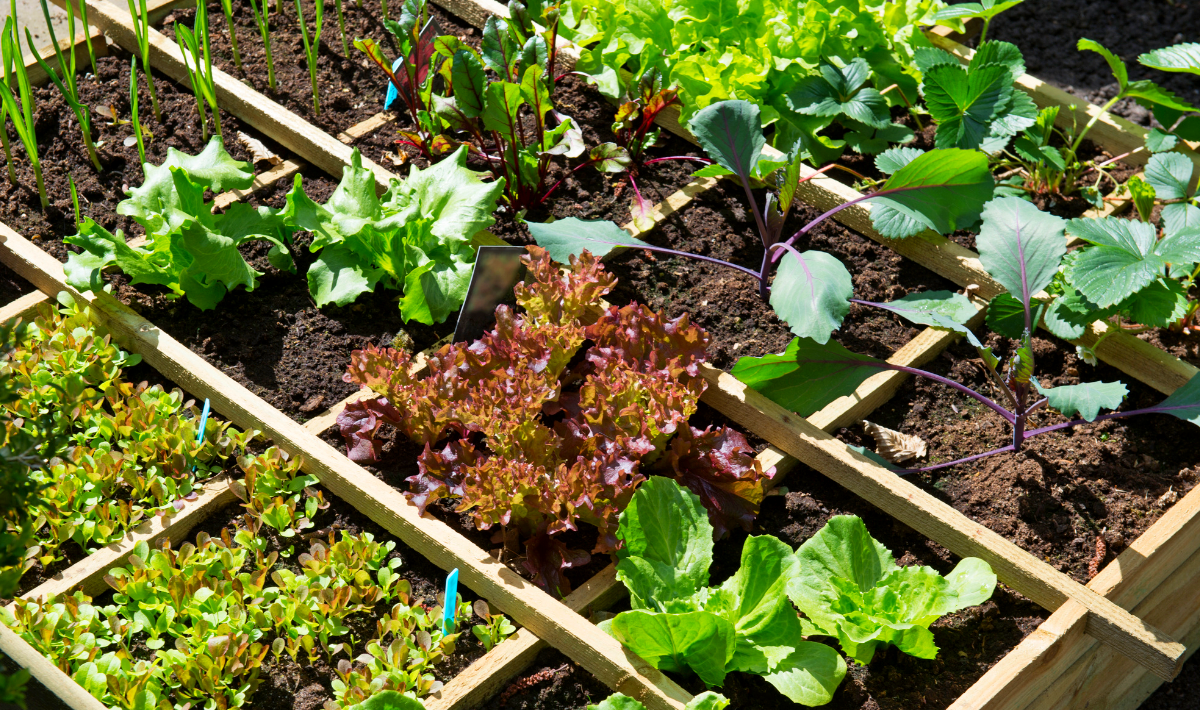
Grocery stores sell produce in fixed quantities, forcing consumers to buy more than needed. Homegrown crops, however, allow harvesting only what’s required. Lettuce and spinach, which bolt (go to seed) quickly, can be planted successively to provide continuous harvests without waste.
Quality and shelf life
Store-bought greens often wilt within days, while homegrown varieties retain crispness and flavor. Bell peppers, which are expensive to buy fresh, thrive in gardens and can be preserved through freezing or canning for year-round use.
Top vegetables for maximum savings
Tomatoes: The cost-effective king
Tomatoes dominate as the most economical crop. A single plant can yield dozens of fruits, far exceeding the cost of store-bought equivalents. Varieties like cherry tomatoes freeze well for later use in sauces or roasted dishes.
Lettuce and salad greens: Overpriced at the store
Pre-washed greens are among the most expensive items in supermarkets. Growing lettuce or spinach allows harvesting baby leaves in weeks, with bolt-resistant varieties like ‘Summer Crisp’ lettuce or ‘Tyee’ spinach extending the growing season.
Herbs: A garden’s hidden treasure
Basil, parsley, and cilantro are notoriously expensive in small packets. These herbs grow rapidly and can be harvested repeatedly, providing fresh flavors for months. Dill and mint also thrive in gardens, offering savings on spices often sold in bulk.
Bell peppers: Sweet savings in the garden
While organic bell peppers can cost $3–$5 each, a single plant produces multiple fruits. They’re easy to grow and can be preserved through freezing or pickling, making them a high-value crop.
Spinach: A cool-weather cash saver
Fresh spinach shrinks dramatically when cooked, making store-bought quantities misleading. Homegrown spinach provides more usable leaves and can be harvested in early spring or late fall, avoiding high summer prices.
Maximizing savings through smart gardening techniques
Successive planting for continuous harvest
Lettuce and spinach benefit from successive planting every 1–2 weeks, ensuring a steady supply without gaps. This method also applies to herbs like cilantro, which bolt quickly but can be replanted frequently.
Choosing bolt-resistant varieties
Heat-tolerant lettuce varieties (e.g., ‘Jericho’) and spinach types (e.g., ‘Space’) reduce crop loss during summer. These selections allow growing in warmer climates without sacrificing yield.
Preserving the bounty for year-round savings
Tomatoes can be canned or frozen, while herbs like basil can be dried or made into pesto. Bell peppers freeze well when sliced, and spinach can be blanched and stored in airtight containers.
Local vs. grocery store: When does buying make sense?
Exceptions to the rule
While grocery stores generally offer lower prices, farmers’ markets sometimes undercut them for overstocked items like vine tomatoes or raspberries. Buying in bulk during peak seasons can yield savings, especially for produce that stores well.
Freshness vs. cost
Local produce often tastes better due to shorter supply chains, but this comes at a premium. For budget-conscious shoppers, growing high-cost items (e.g., herbs, greens) while buying staples like carrots or potatoes from stores balances quality and affordability.
Growing vegetables like tomatoes, lettuce, spinach, and herbs offers tangible financial benefits while enhancing meal quality. By leveraging successive planting, preservation techniques, and strategic purchasing, gardeners can reduce grocery bills and enjoy fresher flavors. For those willing to invest time and effort, homegrown produce transforms from a hobby into a cost-effective lifestyle choice.
Allan is a lifelong gardening enthusiast who still gets excited when the first seedlings pop up in spring. With a deep love for nature and a hands-in-the-soil approach, he shares practical tips, plant discoveries, and clever tricks picked up over years of digging, planting, and observing. Whether you’re a new gardener or have a shed full of tools, Allan writes like a neighbor who’s always happy to swap cuttings and stories over the fence.
You can find more about Allan’s work on Malt or connect with him on LinkedIn.